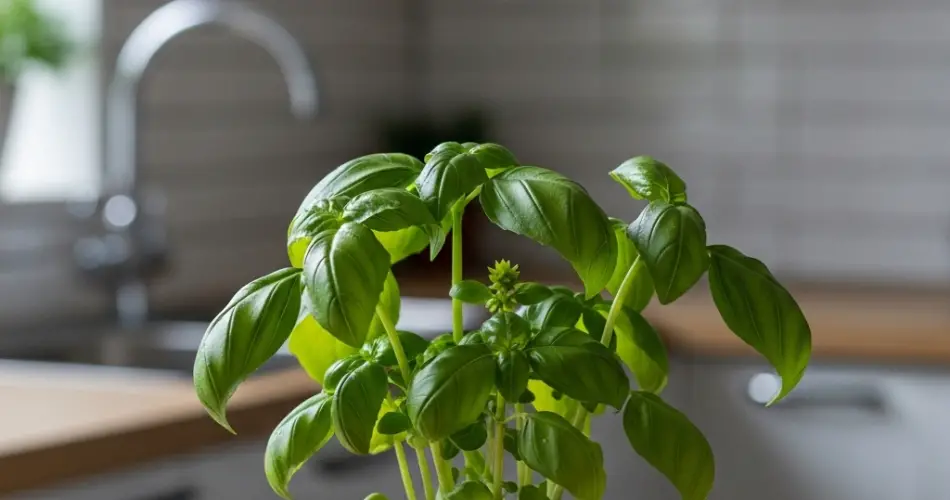
Few herbs can transform a meal as effortlessly as basil. Its fresh, aromatic leaves add brightness to pasta, soups, salads, and sauces, making it a favorite among home cooks around the world. What’s even better is that you don’t need a garden or outdoor space to enjoy this flavorful herb. With the right approach, you can grow basil indoors and keep a steady supply of leaves right in your kitchen.
Why Grow Basil Indoors?
Bringing basil into your kitchen offers both culinary and lifestyle benefits. Fresh leaves are always within reach, reducing last-minute trips to the store. Growing basil indoors also saves money since packaged herbs are often expensive and spoil quickly. Beyond cooking, basil plants add greenery and fragrance to your space, creating a refreshing and lively atmosphere.
Selecting the Best Variety
Basil comes in many varieties, each with unique flavors and characteristics. Sweet basil is the most common, perfect for Italian dishes and pesto. Thai basil offers a spicier, licorice-like taste, while lemon basil has a citrusy note that pairs well with fish and salads. Purple basil adds visual appeal with its deep-colored leaves. For everyday cooking, sweet basil is an excellent choice, but adventurous cooks may enjoy experimenting with different varieties.
Finding the Perfect Spot
Basil thrives in bright conditions, needing at least 6–8 hours of direct light daily. Place your plant near a south- or west-facing window to maximize natural sunlight. If your kitchen lacks strong daylight, consider using grow lights. Fluorescent or LED grow lights placed 6–12 inches above the plant can replicate the sun’s intensity. Keep them on for 12–14 hours each day to ensure healthy growth. Without enough light, basil tends to grow tall, weak stems with fewer leaves.
Choosing Containers and Soil
The right pot and soil are essential for success. Select a container at least 6–8 inches deep with drainage holes to prevent water buildup. Terracotta pots are a popular choice as they allow excess moisture to evaporate, reducing the risk of root rot. For soil, use a well-draining potting mix enriched with organic matter. Avoid heavy garden soil, which compacts easily indoors and limits root development. A loose, nutrient-rich medium encourages strong, flavorful growth.
Watering Your Basil
Consistent watering is the key to healthy basil. The plant prefers evenly moist soil but should never sit in standing water. Water when the top inch of soil feels dry, ensuring water flows through the drainage holes. Overwatering can cause yellowing leaves and root problems, while underwatering leads to drooping or dry foliage. With practice, you’ll develop a rhythm that keeps your basil thriving.
Ideal Temperature and Humidity
Since basil is a warm-weather herb, it grows best in temperatures between 65–80°F (18–27°C). Keep it away from cold drafts, air conditioners, or heaters that may cause sudden fluctuations. Basil also appreciates moderate humidity. If the air in your home is too dry, especially during winter, mist the leaves lightly or place a shallow water tray nearby to increase moisture levels.
Feeding Basil for Continued Growth
Container-grown basil requires regular feeding to stay productive. Use a balanced, water-soluble fertilizer every three to four weeks. Organic options such as liquid seaweed or fish emulsion are excellent for supporting steady growth without overpowering the herb’s natural flavor. Avoid heavy feeding with nitrogen-rich fertilizers, as they can produce large but less aromatic leaves.
Pruning and Harvesting Tips
Frequent pruning encourages basil to become bushy and full. Once the plant reaches about six inches tall, begin trimming. Always cut just above a set of leaves, which stimulates side branching. Regular harvesting prevents the plant from flowering too soon, as blossoms signal the plant to slow down leaf production. Snip leaves as needed while cooking, but avoid taking more than one-third of the plant at once to keep it healthy and growing.
Preserving Extra Basil
If your basil grows faster than you can use it, don’t let the leaves go to waste. Fresh basil can be stored in a glass of water on the counter for a few days, much like a bouquet of flowers. Alternatively, wrap leaves in a damp paper towel and keep them in the refrigerator. For long-term storage, consider freezing basil leaves or making herb cubes with olive oil. Drying is another option, though frozen basil tends to retain more of its flavor.
Common Challenges Indoors
Indoor basil can face a few challenges, but most are easy to fix. Pale or yellow leaves may signal overwatering or a nutrient deficiency. Leggy stems usually mean insufficient light. If pests like aphids or spider mites appear, rinse the plant with water or use a mild insecticidal soap. Regular care and observation will keep your basil healthy.
Enjoying the Rewards
With just a bit of attention, basil will reward you with fragrant, vibrant leaves throughout the year. Imagine making pasta, pizza, or a fresh salad and being able to snip basil directly from your plant. Beyond the kitchen, growing basil indoors brightens your living space and connects you to nature, even if you don’t have a backyard.
By following these simple tips—providing light, watering consistently, pruning regularly, and feeding occasionally—you can cultivate a thriving basil plant in your kitchen. Fresh, homegrown basil not only elevates your cooking but also brings a sense of satisfaction and greenery into your home.


