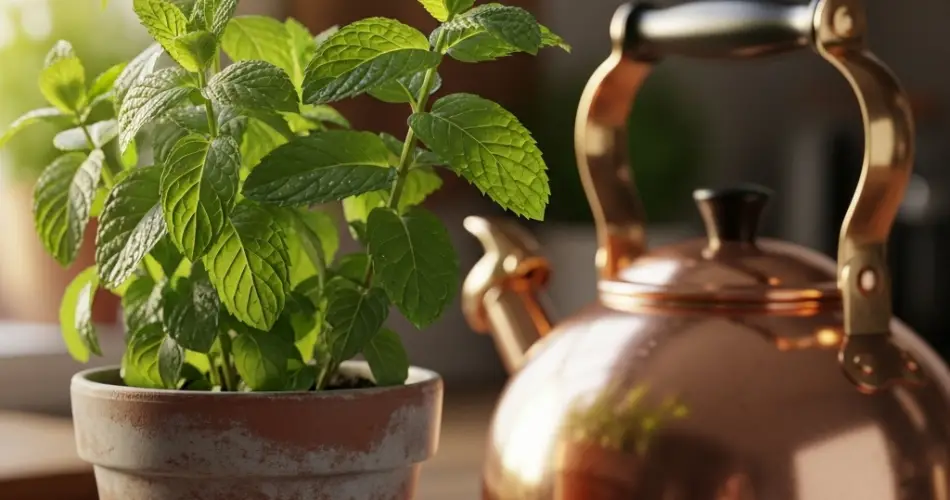
Few herbs are as refreshing and versatile as mint. With its cool, invigorating flavor, mint is used in teas, desserts, savory dishes, and even homemade remedies. One of the best things about mint is how easy it is to grow indoors, especially near your kitchen kettle or countertop. Imagine the convenience of plucking fresh leaves and dropping them straight into your teacup—no dried tea bags required. Growing mint indoors not only provides instant flavor but also adds greenery and fragrance to your kitchen space.
Why Choose Mint for Indoor Growing?
Mint is one of the most forgiving herbs to grow indoors. Unlike some delicate plants, mint tolerates varying light and water conditions and bounces back quickly if neglected. It grows fast, produces abundant leaves, and spreads easily in containers. For tea lovers, it’s an invaluable addition because fresh leaves create a naturally soothing and aromatic brew. Growing mint near your kettle ensures you always have access to the freshest leaves, turning an ordinary tea break into a refreshing ritual.
Choosing the Right Variety
There are many different types of mint, each with unique flavors. Peppermint has a strong, cooling taste that works beautifully in teas and desserts. Spearmint offers a sweeter, gentler flavor, often used in cooking and refreshing drinks. Apple mint has a fruity twist, while chocolate mint carries a subtle cocoa aroma that pairs well with sweets. For indoor growing, any of these varieties can thrive in a pot. You may even want to plant more than one type to enjoy different flavors throughout the year.
Light and Location
Mint prefers bright, indirect light. A windowsill that gets several hours of sunlight is ideal, though mint can also adapt to lower-light conditions better than many other herbs. East- or west-facing windows usually provide the right balance. If natural light is limited, consider using a small grow light above your plant. Keeping mint near the kettle or kitchen counter is practical, but make sure it still receives enough light to stay healthy and vibrant.
Soil and Containers
Mint spreads quickly, so growing it in a pot is often the best way to keep it contained. Choose a container with good drainage holes to prevent root rot. A pot at least 8–10 inches wide allows the plant to spread comfortably without becoming rootbound too quickly. Use a well-draining potting mix rather than heavy garden soil. Mixing in a bit of compost helps provide extra nutrients for lush leaf production.
Watering and Humidity
Mint loves moisture but dislikes soggy roots. Keep the soil consistently damp by watering when the top inch feels dry. In dry indoor environments, especially during winter, mist the leaves lightly to increase humidity. Placing the pot on a shallow tray filled with water and pebbles is another way to provide extra moisture around the plant. Watch for signs of stress: yellowing leaves often mean overwatering, while drooping foliage usually signals the need for more water.
Feeding Your Mint Plant
For strong growth, mint benefits from occasional feeding. Use a balanced, water-soluble fertilizer once every four to six weeks during active growth. If you prefer organic methods, liquid seaweed or compost tea can provide the nutrients mint needs. Avoid over-fertilizing, as this can reduce the intensity of the mint’s flavor.
Harvesting for Instant Tea
One of the biggest pleasures of growing mint indoors is harvesting it fresh whenever you need it. To make instant mint tea, simply snip a few sprigs and steep them in hot water. Fresh leaves release their natural oils quickly, producing a flavorful and aromatic drink in minutes. For stronger tea, lightly crush the leaves before brewing. You can also combine mint with other herbs such as chamomile, lemon balm, or basil to create your own tea blends.
Pruning and Maintenance
Regular harvesting doubles as pruning, keeping your mint plant bushy and productive. Pinch back stems frequently, especially when they reach 6–8 inches tall. Always cut just above a set of leaves to encourage branching. Avoid letting your mint flower, as this can make the leaves less flavorful. If flowers do appear, trim them back promptly. With consistent care, mint will keep producing fresh leaves throughout the year.
Preserving Extra Mint
If your mint grows faster than you can use it, there are several ways to preserve it. Fresh leaves can be stored in the refrigerator wrapped in a damp paper towel. For long-term use, mint can be dried by hanging small bunches upside down in a cool, dry spot or frozen in ice cube trays with water. Frozen mint cubes are especially handy for adding to teas, smoothies, and summer drinks.
Common Indoor Challenges
Mint is generally resistant to pests and diseases, but issues can arise indoors. Aphids, spider mites, or whiteflies may appear occasionally. Rinsing the plant with water or using a mild insecticidal soap usually resolves the problem. Poor growth often results from lack of light or nutrients, while leggy stems signal the need for pruning. Keeping the plant in check with regular care ensures healthy, vigorous growth.
A Fresh Touch to Your Kitchen
Growing mint near your kettle is both practical and enjoyable. With minimal effort, you’ll have a steady supply of leaves for tea, cooking, or even refreshing drinks. Beyond its culinary uses, mint brightens your kitchen with vibrant green foliage and a crisp fragrance that lingers in the air. Each time you brew a fresh cup of mint tea, you’ll enjoy not only its flavor but also the satisfaction of growing it yourself.
By giving your mint plant the right care—adequate light, regular watering, and consistent pruning—you can enjoy fresh leaves year-round. It’s a simple, rewarding way to elevate your tea time while adding natural beauty to your kitchen.


