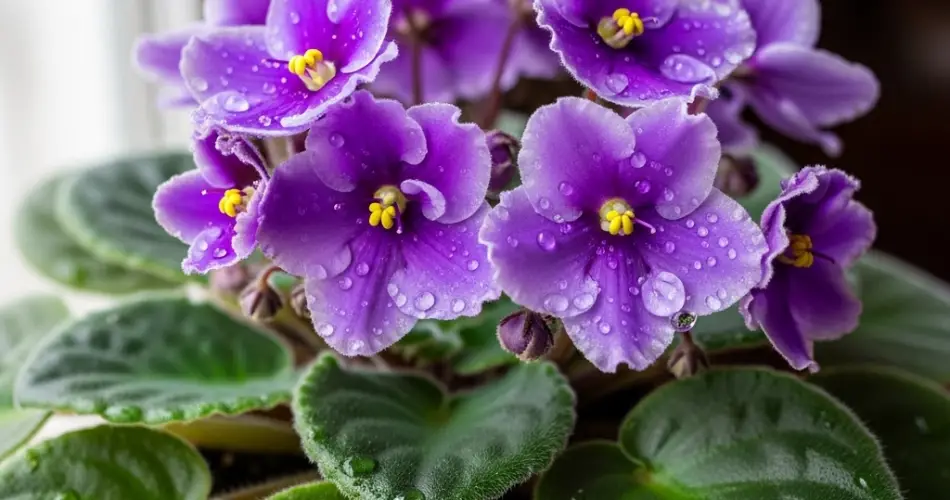
African violets (Saintpaulia spp.) are beloved indoor plants, admired for their vibrant, velvety flowers and lush, compact foliage. With proper care, these charming houseplants can bloom almost year-round, adding a touch of color and life to any room. However, many indoor gardeners struggle with getting consistent blooms or encouraging healthy growth. Boosting the growth of African violets involves understanding their specific needs, including light, water, soil, and fertilization.
Understanding African Violet Requirements
African violets are native to the cloud forests of East Africa, where they grow under filtered light and moderate humidity. Recreating these conditions indoors is key to encouraging robust growth and abundant flowering.
-
Light: African violets need bright, indirect light to thrive. Too little light can lead to weak, leggy growth and poor flowering, while direct sunlight may scorch their delicate leaves. East- or north-facing windows are ideal, or consider using fluorescent or LED grow lights for consistent light indoors.
-
Water: These plants are sensitive to both under- and overwatering. Their roots are delicate, and waterlogged soil can quickly cause root rot, while overly dry soil leads to drooping leaves and stunted blooms.
-
Humidity: African violets prefer moderate humidity, around 50–60%. In dry indoor environments, using a humidity tray or placing multiple plants together can help maintain moisture in the air.
Choosing the Right Soil and Pot
The soil and container used for African violets play a crucial role in their health:
-
Soil: A well-draining, lightweight potting mix is essential. African violet mixes typically include peat moss, perlite, and vermiculite, which help retain moisture while allowing airflow to the roots. Avoid heavy garden soil, which can compact and retain too much water.
-
Pot size: African violets prefer slightly snug pots. Large pots can hold excess soil moisture, increasing the risk of root rot. Choose containers with drainage holes to ensure proper water flow.
Proper Watering Techniques
Watering correctly is one of the most critical factors for African violet growth:
-
Check soil moisture – Use your finger or a moisture meter to ensure the top inch of soil is dry before watering.
-
Water from the bottom – Place the pot in a shallow dish of water and let the plant absorb moisture through the drainage holes. This prevents water from sitting on the leaves, which can cause leaf spotting or rot.
-
Avoid overwatering – Only water when necessary, and allow excess water to drain fully.
This consistent approach encourages strong root development and supports flowering.
Fertilization for Maximum Blooms
African violets benefit from regular feeding to promote continuous growth and blooms:
-
Balanced fertilizer – Use a fertilizer formulated specifically for African violets or a balanced indoor plant fertilizer with equal ratios of nitrogen, phosphorus, and potassium.
-
Frequency – Feed lightly every 2–4 weeks during the growing season. Over-fertilizing can damage the roots and hinder flowering.
-
Micronutrients – Trace elements like magnesium and calcium support strong leaf and flower formation. Check your fertilizer label to ensure these nutrients are included.
Regular fertilization keeps the plant vigorous, encourages larger leaves, and promotes longer-lasting blooms.
Encouraging Flowering
Even when light, water, and nutrients are ideal, African violets may sometimes fail to bloom. These techniques can boost flowering:
-
Pinching spent blooms – Removing faded flowers encourages the plant to produce new ones rather than focusing energy on old blooms.
-
Rotating the plant – Turn the pot occasionally to ensure all sides receive light evenly, promoting uniform growth.
-
Temperature – African violets prefer moderate temperatures, between 65–75°F (18–24°C). Avoid drafts, sudden temperature changes, and excessively hot or cold spots.
Preventing Common Problems
Healthy growth depends on avoiding common pitfalls:
-
Leaf damage – Avoid getting water on leaves, which can cause spotting or rot.
-
Pests – Keep an eye out for aphids, mealybugs, and spider mites, which can weaken the plant and reduce flowering.
-
Overcrowding – Provide adequate space between pots for airflow, reducing the risk of disease and encouraging strong growth.
Final Thoughts
Boosting African violet growth indoors requires a combination of proper light, careful watering, appropriate soil, and regular fertilization. By observing your plant’s needs and adjusting care accordingly, you can enjoy vibrant, healthy foliage and a continuous display of beautiful flowers. These small but rewarding steps make African violets a long-lasting source of color and charm in any indoor space.
With attention to detail and consistent care, your African violets will thrive, transforming any room into a lively, blooming indoor garden.


