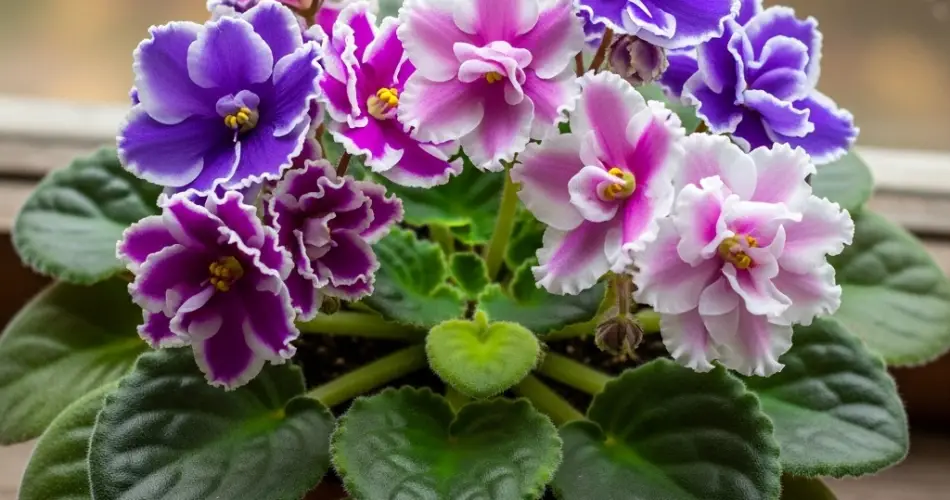
African violets (Saintpaulia spp.) are among the most beloved indoor flowering plants, admired for their velvety leaves and vibrant, long-lasting blooms. Compact and elegant, they are perfect for windowsills, desks, and small indoor spaces. While they are relatively low-maintenance, providing proper care is essential to keep their foliage soft and their flowers bright. Understanding the right watering techniques, light conditions, and feeding routines ensures that African violets thrive year-round.
Understanding African Violet Water Needs
African violets are sensitive to both overwatering and underwatering. Their roots are fine and delicate, and prolonged exposure to soggy soil can lead to root rot. On the other hand, insufficient water can cause drooping leaves, leaf curling, and stunted flower growth. The ideal approach is to keep the soil consistently moist but not waterlogged.
Using room-temperature water is essential to prevent shock to the roots. Cold water can damage the delicate tissues, while water that is too warm may encourage fungal growth. Watering directly into the soil rather than over the leaves helps maintain healthy foliage and prevents crown rot.
Choosing the Right Container and Soil
The container plays a vital role in African violet care. Always choose a pot with drainage holes to allow excess water to escape. Small, shallow pots are ideal because they encourage optimal root growth and prevent water accumulation at the base.
Soil selection is equally important. African violets require a well-draining, airy soil mix. A combination of potting soil, perlite, and peat moss provides the perfect balance, retaining enough moisture for root absorption while allowing excess water to drain. Avoid heavy garden soil or dense mixes, which can suffocate the roots and hinder bloom development.
Proper Lighting for Vibrant Blooms
Light is a crucial factor in African violet growth. These plants thrive in bright, indirect light, which promotes healthy leaves and abundant flowers. Direct sunlight can scorch the leaves, while too little light slows growth and reduces flowering. A north- or east-facing windowsill is ideal. In darker rooms, fluorescent or LED grow lights can supplement natural light, ensuring the plant receives enough energy for flowering.
Watering Techniques
African violets are particularly sensitive to improper watering techniques. Follow these guidelines:
-
Check Soil Moisture: Insert your finger about an inch into the soil. Water only if it feels dry at this depth.
-
Bottom Watering: Fill a saucer with water and let the plant absorb moisture from below. This method prevents leaf spotting and crown rot.
-
Top Watering with Care: If watering from above, pour water slowly and directly into the soil, avoiding contact with leaves.
-
Regular Routine: Watering every 5–7 days is generally sufficient, but adjust based on temperature, humidity, and pot size.
Fertilization and Feeding
African violets benefit from regular, balanced fertilization during their growing and flowering periods. Use a water-soluble fertilizer designed for flowering houseplants, diluted to half the recommended strength. Fertilize every 2–4 weeks to encourage vibrant blooms without overloading the plant with nutrients.
Humidity and Environmental Factors
African violets prefer moderate humidity. Indoor air that is too dry can cause leaf edges to brown and affect flower production. Placing a humidity tray nearby or grouping plants together can help maintain a favorable microclimate. Avoid placing the plant near heaters, air conditioners, or drafty windows that create extreme temperature fluctuations.
Pruning and Maintenance
Removing spent flowers and damaged leaves encourages new growth and keeps the plant looking fresh. Gently pinch off faded blooms at the base to redirect energy into healthy leaves and new flower clusters. Clean the leaves occasionally with a soft brush or cloth to remove dust, improving photosynthesis and overall plant health.
Benefits of Proper African Violet Care
With consistent care, African violets reward gardeners with soft, lush leaves and bright, long-lasting flowers. Proper watering, soil selection, light management, and fertilization create the ideal environment for these charming plants to thrive. Observing signs of stress, such as drooping leaves or reduced flowering, allows timely adjustments to ensure continued health.
By maintaining attention to soil moisture, lighting, and humidity, African violets can flourish indoors, adding color, elegance, and natural beauty to any space. With the right care routine, these delicate yet resilient plants can bloom repeatedly, offering vibrant displays for months at a time.


