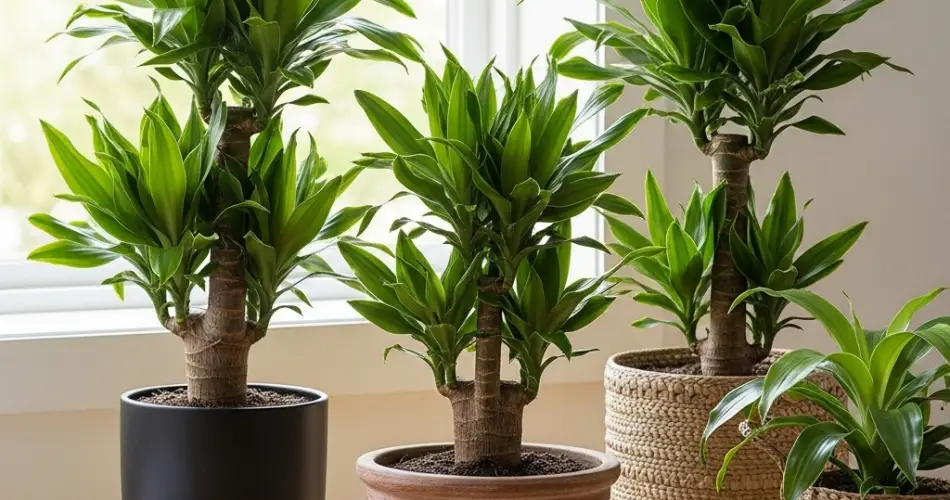
Dracaena is a stylish and easy-care plant that fits beautifully into modern interior spaces. With its upright growth, sculptural form, and dramatic foliage—ranging from solid greens to variegated yellows, creams, or reds—it brings a touch of contemporary elegance to any room. Whether you’re decorating a minimalist apartment or a sleek office, Dracaena makes an excellent centerpiece or accent plant when paired with the right decorative container.
As with many indoor plants, the choice of container does more than elevate aesthetics—it also plays a critical role in plant health. From selecting the right material to choosing a pot that complements your décor, this guide will help you make the most of your Dracaena indoors.
Why Dracaena Is Perfect for Indoor Decor
Dracaena is one of the most versatile houseplants for modern homes thanks to its:
-
Low maintenance – It tolerates infrequent watering and lower light conditions.
-
Vertical growth habit – Ideal for corners, entryways, or narrow spaces.
-
Air-purifying properties – Helps remove toxins and improves indoor air quality.
-
Dramatic appearance – Its tall canes and bold leaves add instant structure to any setting.
Because of its upright growth and strong architectural shape, Dracaena shines when placed in attractive containers that highlight its sculptural presence.
Choosing the Right Decorative Container
When selecting a pot for your indoor Dracaena, consider both style and functionality. A well-matched container can turn this already eye-catching plant into a true design element.
1. Size and Stability
-
Choose a pot 2 inches wider than the plant’s root ball. Avoid oversizing, as too much soil can hold excess water.
-
Dracaena can become top-heavy as it grows taller, so opt for a container with a broad base or use heavier materials like ceramic or concrete to prevent tipping.
2. Drainage
-
Good drainage is crucial. Always use containers with drainage holes, or place a plastic nursery pot inside a decorative outer pot.
-
Avoid letting water sit in the bottom, as Dracaena is sensitive to overwatering and root rot.
3. Style and Material Options
-
Ceramic or glazed planters – Offer a clean, modern finish and are available in a wide range of colors to match your interior.
-
Metal pots – Great for industrial or minimalist designs. Use a liner to prevent rust or damage from moisture.
-
Textured stone or concrete containers – Ideal for Scandinavian or contemporary spaces and offer excellent stability.
-
Woven or rattan baskets – Soften the plant’s bold appearance and blend well with natural or boho styles. Always insert a waterproof liner or use a hidden plastic pot inside.
Design Tips: Matching Pot to Plant and Room
-
For modern, minimal spaces, pair a tall Dracaena with a white or charcoal ceramic pot for a clean silhouette.
-
In industrial interiors, use matte black or metal containers to emphasize the plant’s sculptural quality.
-
For warm, natural environments, try neutral-toned pots in earthy textures—clay, rattan, or seagrass baskets work well.
-
Consider grouping Dracaena with other potted plants in varying heights and pot styles for a curated corner garden.
Light and Placement Considerations
Dracaena adapts well to a variety of indoor lighting conditions:
-
Bright, indirect light is ideal, especially near east- or west-facing windows.
-
It tolerates lower light, but growth may slow and leaf color may fade.
-
Avoid direct sun, which can scorch the leaves.
Position your Dracaena in a spot where it has room to grow vertically without being cramped—entryways, corners, and open-plan living areas are all great choices.
Watering and Maintenance
Dracaena prefers slightly dry conditions over too much water. Let the top 1–2 inches of soil dry out between waterings.
-
Water thoroughly, but don’t let the plant sit in standing water.
-
Reduce watering in winter when growth slows.
-
Use room-temperature, fluoride-free water if possible, as Dracaena is sensitive to fluoride, which can cause brown tips.
-
Wipe leaves occasionally to remove dust and maintain their shine.
Fertilize every 4–6 weeks during the growing season with a diluted, balanced houseplant fertilizer.
Troubleshooting Common Issues
-
Yellowing leaves: Often a sign of overwatering or poor drainage.
-
Brown leaf tips: Typically caused by dry air, over-fertilization, or fluoride in water.
-
Leggy growth: Usually due to insufficient light—move the plant to a brighter spot.
Prune lower leaves or stems as needed to maintain shape. Dracaena responds well to trimming and can be encouraged to branch out from cut points.
Final Thoughts
Dracaena is more than just an easy-care houseplant—it’s a design element that can transform your living space. With its clean lines and bold foliage, it’s the perfect complement to modern interiors. When placed in a stylish, well-suited container, your Dracaena becomes both a plant and a statement piece.
Choose your pot carefully, position it with purpose, and enjoy the fresh, structured beauty this plant brings to your home. With minimal care and thoughtful presentation, Dracaena will thrive indoors while elevating the overall look and feel of your space.


