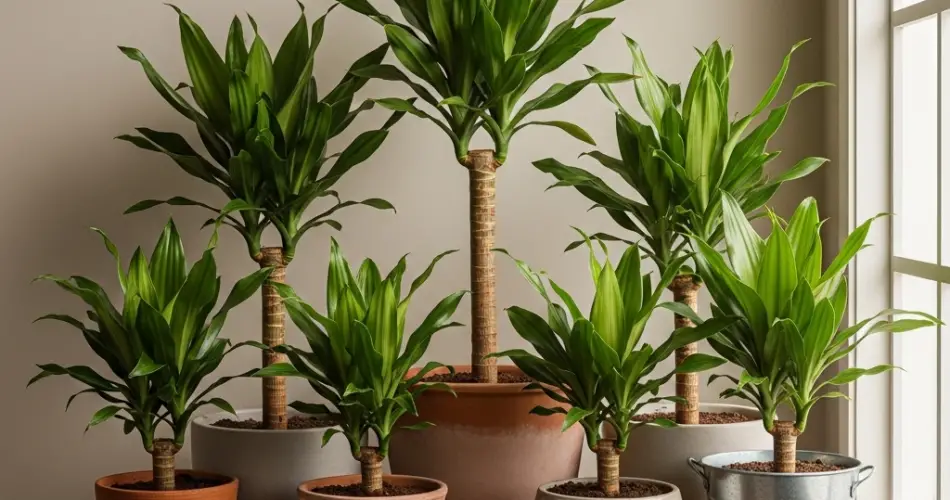
Dracaena is a popular choice among indoor plant lovers for its striking, sword-like leaves and easy-care nature. With varieties like Dracaena marginata (dragon tree), Dracaena fragrans (corn plant), and Dracaena reflexa (song of India), this genus brings vertical elegance and lush greenery into any space. However, like many houseplants, Dracaena can suffer when its roots become pot-bound—meaning they’ve outgrown their container and start circling the inside, unable to spread further.
Preventing root-bound issues is essential for keeping your Dracaena healthy and thriving. Choosing the right pot can make all the difference in supporting strong root growth, proper drainage, and long-term plant vitality. This guide will help you select the best pots for Dracaena and provide practical tips to avoid root crowding.
Why Dracaena Becomes Root Bound
Dracaena is a slow-to-moderate grower, but over time its roots will eventually fill the container. When a plant becomes root-bound, its growth slows, the leaves may yellow or brown at the tips, and water may run straight through the pot without soaking in—signs that the soil volume is too limited for the expanding roots.
Root binding:
-
Restricts access to nutrients and moisture
-
Leads to poor air circulation around roots
-
Can cause stress, stunted growth, and tipping in taller plants
Repotting and choosing an appropriately sized container can prevent these issues and keep your Dracaena looking vibrant.
Key Features to Look for in a Dracaena Pot
Not all pots are suitable for Dracaena, especially if long-term growth and root health are your goals. The right container will support moisture balance, aeration, and root expansion.
Ideal pot characteristics include:
-
Drainage holes: Essential to prevent water from pooling at the bottom and causing root rot.
-
Moderate depth: Dracaena has deep roots, especially as it matures. A pot that’s too shallow may not support long-term growth.
-
Sturdy material: Taller Dracaena plants become top-heavy. Choose a pot that won’t easily tip over. Ceramic, terracotta, or weighted plastic pots work well.
-
One size larger than the current root ball: Avoid going too big too fast. A pot 1–2 inches wider in diameter than the current one is usually enough.
Best Pot Types for Dracaena
1. Terracotta Pots
Terracotta is porous, which means it allows moisture to evaporate and prevents soil from staying overly wet. This helps avoid water-related root issues, which Dracaena is prone to. The added weight of terracotta also makes it a good match for tall varieties like Dracaena marginata.
2. Plastic Pots with Drainage
Lightweight and affordable, plastic pots work well for smaller or younger Dracaena plants. Choose one with several drainage holes to ensure water can flow freely. For added aesthetics and stability, you can place a plastic grow pot inside a decorative outer pot.
3. Self-Watering Pots (with caution)
These are suitable for gardeners who struggle with regular watering. However, they must be used carefully with Dracaena, which prefers to dry out slightly between waterings. Make sure the water reservoir doesn’t keep the soil constantly wet.
4. Ceramic Pots (with drainage)
Ceramic pots glazed on the outside retain more moisture than terracotta but still offer good breathability. They come in various decorative styles and offer solid weight and support for taller plants.
How to Prevent Root Bound Conditions
Even with the right pot, Dracaena will eventually outgrow its space. Here are tips to prevent root crowding:
-
Repot every 2–3 years or when roots begin growing out of the drainage holes.
-
Check root health during repotting. Trim overly long or circling roots and remove dead, mushy segments.
-
Choose pots incrementally larger. Don’t jump from a 6-inch pot to a 12-inch one. Too much extra soil can retain excess moisture, leading to rot.
-
Loosen compacted roots gently when repotting to encourage outward growth.
-
Use fresh potting mix each time to provide new nutrients and improve drainage.
Recommended Soil Mix for Dracaena
A well-draining potting mix is just as important as the container itself. Dracaena dislikes soggy conditions and thrives in light, breathable soil.
Try this simple mix:
-
2 parts all-purpose potting soil
-
1 part perlite or coarse sand
-
Optional: 1 part coco coir or peat moss for moisture control
This blend balances water retention and aeration, preventing both dryness and waterlogging.
Signs It’s Time to Repot
Knowing when to upgrade your pot can help prevent root-related stress. Look for these signs:
-
Roots growing out of the drainage holes
-
Water runs through the pot too quickly
-
Soil dries out within a day or two of watering
-
The plant looks top-heavy or leans
-
Stunted growth despite regular care
If your Dracaena shows any of these, it’s time to move it into a slightly larger container.
Final Thoughts
Selecting the best pot for your Dracaena is more than just a design decision—it’s a key step in promoting long-term health and avoiding common root issues. By choosing a well-draining container of the right size and material, and by repotting as needed, you’ll prevent root-bound problems and ensure your plant continues to grow strong and healthy.
Whether you’re working with a tabletop-sized Dracaena or a towering indoor tree, giving its roots room to breathe is essential. With the proper pot and ongoing care, your Dracaena will remain a bold, low-maintenance centerpiece for years to come.


