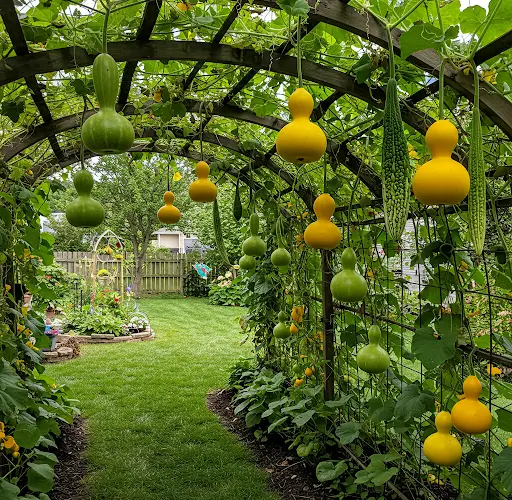
Growing Gourds in Bags: Minimal Care, Maximum Fruits
Gourds are a versatile and productive plant that can be grown in a variety of conditions. Whether you’re looking to grow them for food, decoration, or even craft projects, gourds are a great choice for gardeners of all levels. One of the easiest and most effective ways to grow gourds is in bags, which allows for minimal care while still producing a bountiful harvest. In this article, we will explore how to grow gourds in bags with minimal effort and maximum results.
Why Grow Gourds in Bags?
Growing gourds in bags offers several benefits that make it an ideal method for gardeners, especially those with limited space or resources:
-
Space Efficiency: Growing in bags saves space, making it perfect for small gardens, balconies, or even urban settings.
-
Minimal Maintenance: This method requires very little care compared to traditional gardening. Once set up, the plants need only occasional watering and attention.
-
High Yield: Despite the minimal effort required, gourds tend to produce a large number of fruits, making it a highly productive method.
-
Easy to Manage: Bags are portable, allowing you to move your plants to different spots depending on sunlight, weather conditions, or convenience.
-
Waste Reduction: This method can help repurpose unused bags, reducing plastic waste and making gardening more sustainable.
Materials Needed
To get started, you’ll need just a few basic materials:
-
Grow bags (or any large, breathable bag like a burlap sack or fabric pot)
-
Gourd seeds or seedlings
-
Good-quality potting soil
-
A sunny spot (such as a patio, balcony, or backyard)
-
Watering can
-
Fertilizer (optional, depending on the soil used)
Step-by-Step Guide to Growing Gourds in Bags
1. Choose the Right Grow Bag
The first step in growing gourds in bags is selecting the right bag. You’ll want to use a bag that is large enough to accommodate the gourd plant’s roots. Ideally, choose a grow bag that holds 10-20 gallons of soil. The bag should also be breathable to allow for proper root development and drainage. Many fabric grow bags are designed specifically for gardening and have built-in drainage features.
If you’re using regular plastic bags, make sure to poke holes in the bottom to allow for proper drainage. Without drainage, the roots may become waterlogged and lead to rot, which can stunt the plant’s growth.
2. Prepare the Soil
Gourds grow best in well-draining soil that is rich in organic matter. Use a good-quality potting mix, or create your own by combining compost, peat moss, and perlite. You can also add some slow-release fertilizer to the soil to ensure the plants receive adequate nutrients throughout the growing season.
Fill the grow bag with soil, leaving a few inches at the top to make room for watering. Be sure to gently pat the soil down to remove air pockets, but avoid compacting it too much, as gourds need loose, aerated soil to thrive.
3. Plant the Gourd Seeds or Seedlings
Gourds can be grown from seeds or seedlings. If starting from seeds, plant them about 1-2 inches deep into the soil. You can plant 2-3 seeds per bag to ensure at least one germinates. After planting the seeds, water the soil gently to settle the seeds in place.
If you’re using seedlings, carefully transplant them into the bag. Dig a hole large enough to accommodate the seedling’s root system, then gently place it in the hole and cover it with soil. Water thoroughly after planting to help the seedling establish itself.
Gourds require a warm growing environment, so make sure to plant them after the danger of frost has passed and when temperatures are consistently warm. Gourds typically need around 60-90 days to reach maturity, depending on the variety.
4. Find a Sunny Location
Gourds thrive in full sunlight, so choose a spot that receives at least 6-8 hours of direct sunlight each day. If you’re growing them on a balcony or patio, make sure the spot is unobstructed by tall plants or structures. If you’re growing indoors, place the bags near a south-facing window or under grow lights.
Because grow bags are portable, you can move them around to ensure the plants get enough light. Just make sure they are placed in a spot with good airflow to avoid moisture buildup and fungal diseases.
5. Watering and Fertilizing
Watering is one of the most important aspects of growing gourds in bags. The soil should be kept consistently moist, but not soggy. Overwatering can lead to root rot, so it’s essential to ensure the bag has good drainage and the water isn’t pooling at the bottom. Check the soil regularly and water when the top inch feels dry.
Gourds are heavy feeders, especially once the fruits start to form, so you may need to fertilize the plants throughout the growing season. Use a balanced, organic fertilizer or compost to give the plants the nutrients they need. Fertilize once a month, or according to the instructions on the product you choose.
6. Provide Support for the Vines
As your gourd plants grow, they will begin to produce long, sprawling vines. Gourds are typically trailing plants, and they need plenty of space to spread out. If you have a small space, consider providing a trellis or support system for the vines to climb. This will save space and help prevent the gourds from rotting on the ground.
You can also prune the vines occasionally to keep them under control and direct their energy toward fruit production. Be sure to remove any dead or diseased leaves to prevent the spread of pests or diseases.
7. Harvesting the Gourds
Gourds typically take 3-4 months to mature, depending on the variety and growing conditions. You’ll know the gourds are ready to harvest when the skin is firm, and they have developed their characteristic color and texture. To harvest, simply cut the gourd from the vine with a sharp knife or garden shears, leaving a small portion of the stem attached.
After harvesting, let the gourds dry in a well-ventilated area for a few weeks. This will allow the skin to harden and the gourd to reach its full potential for storage or use in craft projects.
8. Maintain the Bags for Future Use
Once you’ve harvested your gourds, you can reuse the grow bags for future planting. Simply remove the old soil and compost it, then refill the bags with fresh potting mix. The bags can last for several seasons, making them a sustainable option for continued gardening.
Benefits of Growing Gourds in Bags
-
Minimal Care: Growing gourds in bags requires very little maintenance once set up, with just occasional watering and light pruning.
-
High Yield: Despite the minimal effort, gourds produce a large number of fruits, making it a highly productive gardening method.
-
Space-Saving: Perfect for small spaces, as bags can be placed on balconies, patios, or even in windowsills.
-
Eco-Friendly: Using recycled bags helps reduce plastic waste while growing food sustainably.
Conclusion
Growing gourds in bags is an easy and effective method that allows you to enjoy a plentiful harvest with minimal effort. By repurposing bags and utilizing kitchen scraps for compost, you can create an eco-friendly and productive gardening setup that works in small spaces. Whether you’re growing gourds for food, decoration, or crafting, this method ensures you get the most out of your garden with very little maintenance. Give it a try, and you’ll be amazed by the number of gourds you can grow with so little care.


