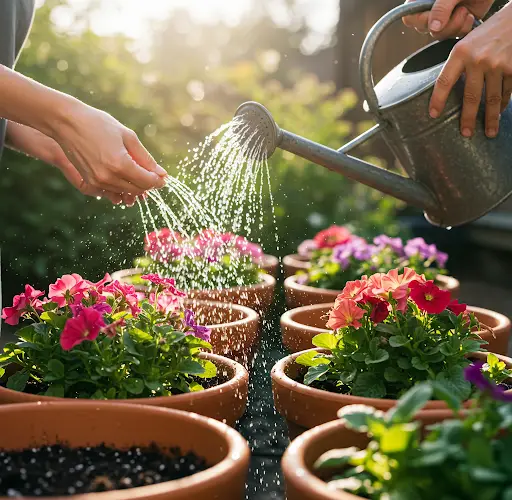
Watering seedlings may seem straightforward, but it’s one of the most critical steps in raising strong, healthy plants. These tiny sprouts are delicate and sensitive, and improper watering can quickly lead to problems such as damping-off disease, weak roots, or stunted growth.
Whether you’re starting vegetables, herbs, or flowers from seed indoors or outdoors, mastering the art of watering seedlings can make all the difference. This guide breaks it down step by step to ensure your young plants thrive from the very start.
Why Proper Watering Matters
Seedlings are in their most vulnerable stage of life. Their roots are shallow, and their stems are tender, which means they require a careful balance of moisture—not too much and not too little.
Proper watering:
-
Promotes healthy root development
-
Prevents fungal diseases
-
Encourages steady, strong growth
-
Reduces transplant shock later on
Neglecting watering or overdoing it can lead to issues like mold growth, yellowing leaves, or sudden collapse of the seedlings.
When to Water Seedlings
Watering frequency depends on a few key factors:
-
Soil type and drainage
-
Humidity and temperature
-
Seedling size and container type
As a general rule:
-
Water seedlings when the top layer of soil begins to dry out.
-
Avoid letting the soil dry completely.
-
Don’t water on a rigid schedule—check daily by touching the soil surface with your finger.
Seedlings in small trays or plugs tend to dry out faster than those in deeper containers. Indoor environments with artificial lights may also speed up evaporation.
How to Check if Seedlings Need Water
Use the finger test:
-
Touch the surface of the soil with your fingertip.
-
If it feels dry, it’s time to water.
-
If it’s still moist, wait a little longer before watering again.
Alternatively, pick up the tray or pot—dry containers are lighter, while moist ones feel heavier. This trick is especially helpful if you’re growing multiple trays.
The Best Way to Water Seedlings
Gentle watering is the key. The goal is to moisten the soil evenly without displacing seeds or damaging the fragile stems.
Here are the most effective methods:
1. Bottom Watering
-
Place seedling trays or pots in a shallow tray filled with water.
-
Let the water soak up through the drainage holes for 10–30 minutes.
-
Remove when the top surface is evenly moist.
Pros:
-
Prevents overwatering
-
Reduces fungal problems
-
Strengthens root growth
2. Misting or Spray Bottle
-
Ideal for newly germinated seedlings with delicate stems.
-
Use a fine mist to moisten the top layer of soil.
Tip: Don’t rely on misting long-term, as it doesn’t provide deep hydration.
3. Watering Can with Fine Rose (Nozzle)
-
Use a small watering can with a fine spout or rose attachment.
-
Pour slowly and evenly to avoid disturbing the seedlings.
Avoid: Heavy streams of water that may wash away soil or topple seedlings.
How Much Water Do Seedlings Need?
The soil should be consistently moist, not soggy. It should feel like a wrung-out sponge—damp but not dripping.
-
Overwatering leads to root rot, fungal diseases, and oxygen-starved roots.
-
Underwatering causes wilting, dry leaves, and poor growth.
Seedlings need less water as seeds germinate but more as leaves emerge and plants grow. Adjust your watering accordingly.
Signs You’re Overwatering or Underwatering
Overwatering Symptoms:
-
Yellowing leaves
-
Mushy stems
-
Algae or mold on soil surface
-
Seedlings collapsing (damping-off)
Underwatering Symptoms:
-
Wilting
-
Dry, curled leaves
-
Stunted or slow growth
-
Cracked or shrinking soil surface
Watering Seedlings Indoors vs. Outdoors
-
Indoors: Less evaporation, so water less frequently but monitor carefully. Use trays for bottom watering.
-
Outdoors: More exposure to wind and sun means faster drying. Check soil twice daily in hot or windy conditions.
When watering outdoor seedlings, do it early in the morning to reduce evaporation and help plants absorb moisture throughout the day.
Bonus Tips for Healthy Seedlings
-
Use room temperature water to avoid shocking young roots.
-
Ensure proper drainage in seedling trays or containers.
-
Avoid wetting leaves repeatedly, especially in humid conditions, as this can lead to fungal infections.
-
Label your seedlings, especially if you’re starting multiple varieties. Some may have different moisture needs.
-
If using grow lights, monitor the drying rate closely—lights can heat the soil faster than you think.
Conclusion
Watering seedlings may be a simple task, but doing it right makes a big impact on plant health. By observing your seedlings closely, using gentle watering methods, and maintaining consistent moisture without overdoing it, you’ll set the stage for strong, thriving plants. With proper care in these early stages, your seedlings will reward you with vibrant growth, successful transplants, and abundant harvests or blooms.


