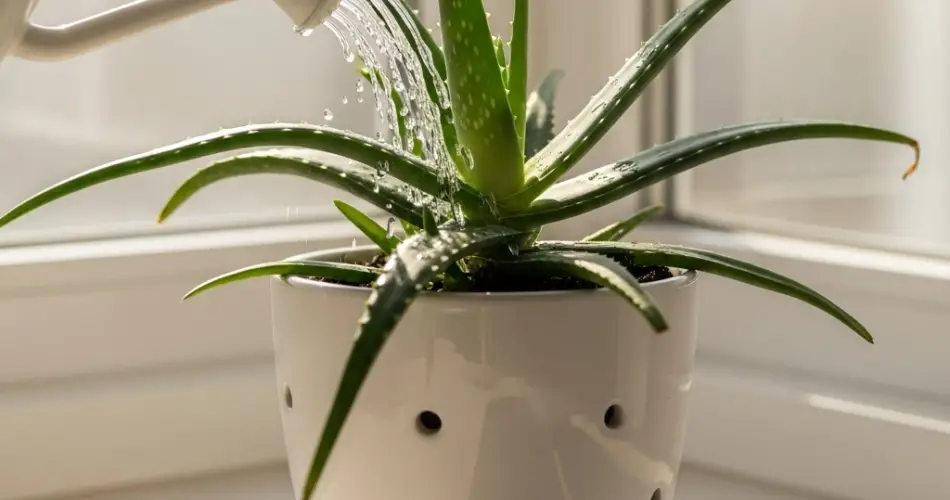
Aloe vera is a popular and versatile succulent known for its medicinal gel, low-maintenance nature, and attractive, fleshy leaves. While it thrives in arid conditions and is remarkably drought-tolerant, one of the most common mistakes plant owners make is overwatering. Improper watering can easily lead to root rot, which is a major threat to aloe vera’s health.
If you want your aloe plant to grow strong and stay vibrant, it’s essential to water it correctly. Understanding when and how to hydrate your aloe without harming its roots is key to long-term success.
Aloe Vera’s Natural Watering Preferences
Aloe vera is native to dry, desert-like regions where rainfall is sparse and the soil drains quickly. It has adapted to store water in its thick leaves, allowing it to survive long periods of drought. Because of this, it doesn’t need frequent watering like tropical houseplants. In fact, too much water is far more dangerous than too little.
The golden rule for watering aloe vera is simple: less is more. Always err on the side of underwatering rather than overwatering.
How Often Should You Water Aloe Vera?
The frequency of watering depends on several factors, including temperature, humidity, pot size, and soil type. Generally, watering every 2 to 3 weeks is sufficient during the growing season (spring and summer). In cooler months (fall and winter), the plant enters dormancy and should be watered even less—possibly just once a month.
Instead of sticking to a rigid schedule, let the soil guide you. Aloe vera should only be watered when the top 2 to 3 inches of soil are completely dry. You can test this by inserting your finger into the soil or using a moisture meter.
Proper Watering Technique
When watering aloe vera, the goal is to soak the soil thoroughly and then allow it to dry completely before watering again. Here’s the correct method:
-
Use room-temperature water. Cold water can shock the roots, while hot water may damage them.
-
Water deeply and slowly. Pour water around the base of the plant until it begins to drain from the bottom of the pot.
-
Ensure full drainage. After watering, empty any excess water from the saucer. Never let the pot sit in standing water.
-
Avoid watering the leaves. Moisture that pools in the rosette (the center of the plant) can lead to rot. Always direct the water into the soil.
This method mimics natural desert rainfall and encourages healthy root development by allowing the roots to reach deep for moisture.
Choosing the Right Pot and Soil
Even if your watering habits are perfect, the wrong container or soil can still cause root damage. Aloe vera must be planted in a well-draining medium to prevent water from accumulating around the roots.
Key tips:
-
Use a pot with drainage holes. Terracotta pots are ideal because they allow excess moisture to evaporate and help regulate root temperature.
-
Select a cactus or succulent mix that drains quickly. You can also make your own blend using two parts sand or perlite, one part potting soil, and one part pumice or grit.
-
Avoid heavy, moisture-retentive soils, which can suffocate the roots and promote fungal growth.
Signs of Overwatering and Root Damage
Aloe vera gives clear signals when it’s being overwatered:
-
Mushy, soft leaves: These may also appear discolored, often turning yellow or brown.
-
Leaves dropping or folding: This is a stress response to root suffocation.
-
Foul odor or blackened roots: If the roots smell rotten or look dark and slimy, root rot has likely set in.
-
Wilting despite moist soil: This is a red flag that the roots are damaged and no longer absorbing water properly.
If you notice these symptoms, stop watering immediately. Remove the plant from its pot, trim off any rotted roots with sterilized scissors, and allow the plant to air-dry for a day. Repot into fresh, dry soil and wait about a week before resuming light watering.
Hydration in Different Seasons
During the spring and summer, aloe vera grows more actively and may require water more often. However, it’s still best to water only when the soil is dry.
In fall and winter, reduce watering drastically. Cold temperatures and slower evaporation mean the plant retains moisture longer. Overwatering during winter is one of the most common causes of aloe vera death indoors.
Final Tips for Healthy Aloe Vera
-
Place your aloe in bright, indirect sunlight or near a sunny window to help the soil dry quickly.
-
Water in the morning, allowing moisture to evaporate throughout the day.
-
Rotate your plant occasionally to promote even growth and avoid one-sided leaning.
-
Don’t rely on plant appearance alone—always check the soil before watering.
By adopting a careful and responsive watering approach, you can protect your aloe vera from root damage and enjoy a healthy, beautiful plant for years to come.


