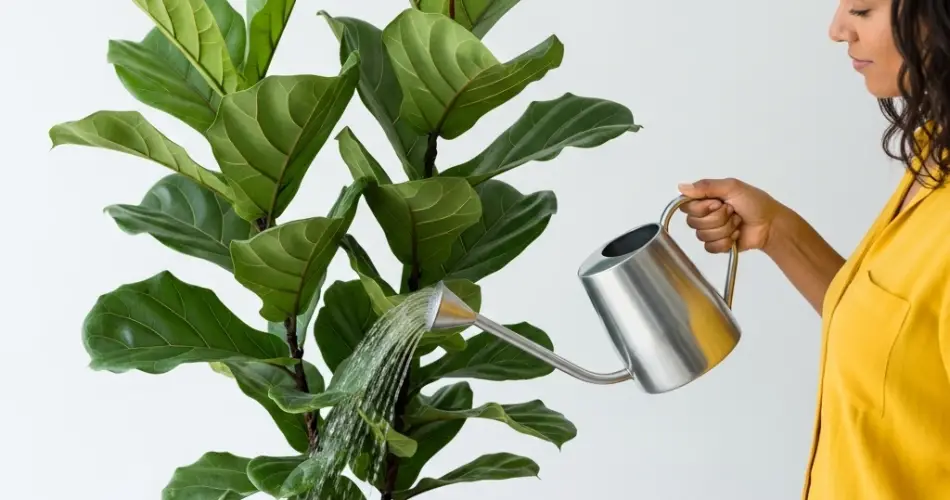
Fiddle leaf figs (Ficus lyrata) have become a favorite among indoor plant lovers, thanks to their large, violin-shaped leaves and bold presence. However, they can be temperamental when it comes to care—especially watering. One of the most common issues faced by fiddle leaf fig owners is root rot, a condition often caused by overwatering or poor drainage. Knowing how to water your fiddle leaf fig correctly can mean the difference between a thriving centerpiece and a struggling houseplant.
Understanding Fiddle Leaf Fig Water Needs
Fiddle leaf figs originate from tropical West Africa, where they grow in warm, humid conditions with intermittent rainfall and well-draining soil. While they enjoy consistent moisture, they do not tolerate soggy soil or standing water around their roots. This balance—moist but not wet—is crucial to master.
The plant’s large leaves make it a heavy drinker during its growing season, but that doesn’t mean it wants to be watered frequently. Instead, it prefers deep, infrequent watering that mimics natural rainfall followed by a period of drying out.
How Often Should You Water?
The frequency of watering a fiddle leaf fig depends on several environmental factors:
-
Season: During spring and summer (active growing periods), you might water every 7–10 days. In fall and winter, watering may only be necessary every 2–3 weeks.
-
Light Exposure: Plants in brighter spots need water more often than those in low-light corners.
-
Humidity and Temperature: Dry air and warm conditions will cause water to evaporate faster, increasing the need for watering.
-
Soil and Pot Type: Well-draining soil in a pot with drainage holes dries out faster, reducing the risk of overwatering.
Always test the soil before watering. Insert your finger about 2 inches (5 cm) deep. If the soil feels dry at that depth, it’s time to water.
Proper Watering Technique
-
Water Deeply and Evenly
When you do water, do so thoroughly. Pour water slowly over the soil until it begins to drain from the bottom. This ensures the roots are evenly hydrated. Avoid small, frequent watering sessions which encourage shallow root growth. -
Let the Soil Dry Between Waterings
Allow the top several inches of soil to dry out completely before you water again. Consistently moist or wet soil suffocates the roots and encourages fungal growth, leading to rot. -
Empty Drainage Trays
Always empty the saucer or tray under the pot after watering. Fiddle leaf figs should never sit in standing water, even for a few hours. -
Use Room-Temperature Water
Cold water can shock the roots. Let tap water sit for a few hours to reach room temperature and to allow any chlorine to dissipate.
Spotting Overwatering and Root Rot
Root rot often starts out subtly but quickly becomes a serious issue. Early signs of overwatering include:
-
Yellowing leaves, especially the lower ones
-
Drooping or limp leaves
-
Soil that stays wet for more than a week
-
Brown spots on leaves (especially near the center)
If root rot sets in, symptoms may progress to:
-
A sour or musty odor from the soil
-
Mushy, blackened roots when you remove the plant
-
Wilting that doesn’t improve after watering
To save a plant with suspected root rot, remove it from the pot, cut away all affected roots, and repot in fresh, dry, well-draining soil. Reduce watering and improve air circulation around the plant to aid recovery.
Choosing the Right Pot and Soil
Fiddle leaf figs require well-draining soil and a container with proper drainage holes. A high-quality indoor potting mix amended with perlite, pine bark, or coarse sand is ideal. Avoid heavy garden soil or anything that retains too much moisture.
As for pots, terracotta is a great choice because it allows moisture to evaporate through its porous walls, helping to keep roots dry. Ensure the pot isn’t too large—extra soil holds excess moisture, increasing the chance of rot.
Watering Tools and Tips
-
Moisture meters can help eliminate guesswork by showing the soil’s moisture level at root depth.
-
Watering cans with narrow spouts allow for more controlled, direct watering.
-
If you’re going on vacation, skip self-watering spikes, which can easily oversaturate a fiddle leaf fig. Instead, water well before leaving and let the plant dry out while you’re away.
Final Thoughts
Watering a fiddle leaf fig is more about consistency and observation than routine. Instead of sticking to a fixed schedule, monitor the soil, adjust to environmental conditions, and respond to your plant’s signals. By avoiding overwatering and promoting proper drainage, you can keep your fiddle leaf fig healthy, lush, and free from the dreaded root rot.


