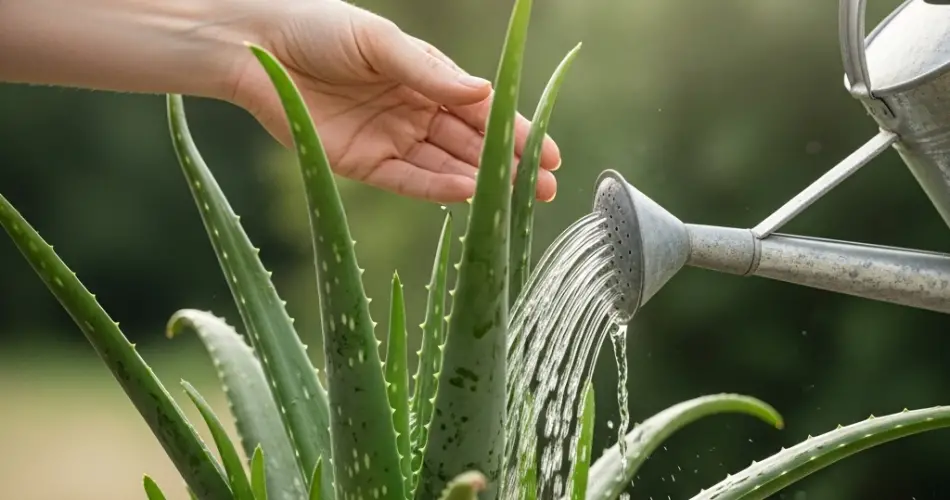
Aloe vera is one of the most popular and beneficial succulents grown indoors and outdoors. Known for its medicinal properties and ease of care, aloe vera thrives with minimal attention—especially when it comes to watering. Like many succulents, aloe is more likely to suffer from overwatering than underwatering. Understanding how and when to water your aloe plant correctly is key to helping it stay healthy and vibrant.
Aloe Vera’s Natural Environment
To water aloe vera properly, it’s helpful to understand its native habitat. Aloe vera originates from arid regions of the Arabian Peninsula, where it grows in hot, dry climates with sandy, well-draining soil. The plant has evolved thick, fleshy leaves to store water, enabling it to survive long periods without rainfall. This ability means that aloe vera can go without water for extended periods and prefers conditions that mimic drought more than moisture.
When to Water Aloe Vera
Aloe vera doesn’t need frequent watering. In fact, watering too often can quickly lead to root rot, which is one of the most common causes of aloe death. As a general guideline, aloe should be watered only when the soil is completely dry.
Here’s how to tell it’s time to water:
-
Dry Soil: Stick your finger about two inches (5 cm) into the soil. If it feels completely dry, it’s time to water.
-
Light Pot: If you’re using a terracotta or plastic pot, you can also lift it. If it feels unusually light, it’s probably dry inside.
-
Shriveling Leaves: If the leaves begin to look thin, wrinkled, or limp, the plant may be too dry.
During warm, active growing months (spring and summer), you may water every 2 to 3 weeks. In colder months (fall and winter), the plant enters a dormant period and may need watering only once a month—or even less.
How to Water Aloe Vera Properly
-
Use the Soak and Dry Method
When watering aloe, give it a deep, thorough soaking. Water until it flows out of the drainage holes at the bottom of the pot. Afterward, allow the soil to dry out completely before watering again. This method encourages strong root growth and mimics the plant’s natural rainfall pattern. -
Avoid Light, Frequent Watering
Aloe vera doesn’t respond well to frequent shallow watering. This keeps the top of the soil moist while the bottom remains dry, which can result in unhealthy roots and a weak plant. -
Water the Soil, Not the Leaves
Always pour water directly into the soil rather than over the plant. Water left to sit in the center of the rosette or on the leaves can cause rot and fungal issues. -
Choose the Right Time of Day
Water your aloe in the morning when possible. This allows any excess moisture on the leaves or around the base to dry out before evening, reducing the risk of disease.
Avoiding Overwatering
Overwatering is the fastest way to kill an aloe vera plant. Symptoms of overwatering include:
-
Mushy or transparent leaves
-
Yellowing foliage
-
Base of the plant turning soft or brown
-
A foul smell from the soil
-
Visible mold or algae on the soil surface
If you notice any of these signs, act quickly. Remove the plant from its pot, cut away any rotting roots, and allow the plant to dry out for a day or two. Repot it in fresh, dry, well-draining soil and resume a careful watering schedule.
The Right Soil and Pot for Aloe Vera
Proper watering goes hand-in-hand with the right growing medium. Aloe vera must be planted in well-draining soil—ideally a cactus or succulent mix. You can also make your own mix using regular potting soil with added sand, perlite, or pumice to increase drainage.
As for containers, always use pots with drainage holes. Terracotta pots are ideal because they are porous and allow excess moisture to evaporate more quickly than plastic or glazed ceramic pots.
Avoid planting aloe in deep containers that hold excess moisture around the roots. A shallow, wide pot is often better suited to aloe’s shallow root system.
Seasonal Considerations
In warmer seasons, aloe grows more actively and may use water more quickly. In cooler months, the plant goes dormant and requires very little water. Be sure to adjust your watering habits according to seasonal changes and indoor humidity levels. Using less water during the winter helps prevent moisture buildup in the soil when the plant is not actively growing.
Final Thoughts
Aloe vera thrives on neglect when it comes to watering. By allowing the soil to dry thoroughly between waterings, using proper soil, and observing the plant’s signals, you can avoid common pitfalls and enjoy a thriving, useful plant year-round. When in doubt, hold off—aloe is far more forgiving of dry conditions than too much moisture.


