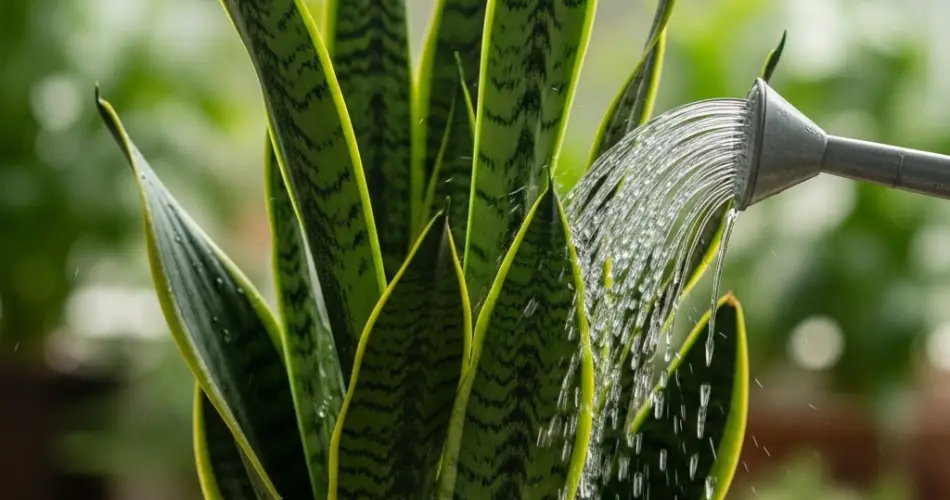
Snake plants (Sansevieria), also known as mother-in-law’s tongue, are prized for their striking vertical foliage, air-purifying qualities, and resilience. These hardy houseplants are often recommended for beginners due to their low maintenance requirements. However, one of the few things that can harm a snake plant is overwatering.
Understanding how to properly hydrate your snake plant is essential for keeping it healthy and long-living. Here’s a complete guide to avoiding overwatering and ensuring your plant thrives.
Understanding the Watering Needs of Snake Plants
Snake plants are succulents, meaning they store water in their thick leaves and can go extended periods without moisture. They evolved in arid environments and are highly drought-tolerant. As a result, they are much more susceptible to problems caused by excess water than by drought.
In general, snake plants only need to be watered every two to three weeks, sometimes even less during the cooler months. Rather than sticking to a strict watering schedule, it’s better to water based on the condition of the soil and the plant’s environment.
Signs You Are Overwatering
Overwatering doesn’t always mean frequent watering — it can also result from poor drainage or using the wrong type of soil. Knowing the signs of an overwatered snake plant can help you take action early:
-
Yellowing leaves: One of the first signs of overwatering.
-
Mushy or soft leaves: A clear sign that rot has begun.
-
Soggy, musty-smelling soil: Indicates too much water retention.
-
Root rot: Often only noticeable when repotting or if the plant collapses.
If any of these symptoms appear, it’s important to reassess your watering routine and the conditions in which the plant is growing.
The Right Way to Water a Snake Plant
The golden rule with snake plants is to “water sparingly.” Before watering, always check if the soil is dry. The best way to do this is by sticking your finger about two inches into the soil. If it feels dry all the way through, it’s safe to water. If it’s still damp, wait a few more days.
When you do water, do so thoroughly. Add water slowly until it starts to drain from the bottom of the pot. Make sure to discard any excess water collected in the saucer beneath the pot. Never let the plant sit in standing water, as this leads to root rot.
During the active growing season (spring and summer), snake plants may require slightly more frequent watering. In fall and winter, when growth slows down, water even less frequently—perhaps only once a month, depending on indoor humidity and temperature.
Choosing the Right Pot and Soil
Your choice of container and potting mix plays a major role in preventing overwatering. Always use a pot with a drainage hole to allow excess water to escape. Without drainage, water collects at the bottom, drowning the roots and encouraging rot.
For soil, choose a fast-draining cactus or succulent mix. You can also create your own by mixing regular potting soil with sand, pumice, or perlite to increase drainage. Avoid dense, moisture-retentive soil mixes that stay wet for too long.
If you’ve been using a non-draining container, consider repotting your snake plant into a container that allows water to escape freely.
Environmental Factors That Influence Watering
The indoor environment significantly affects how often a snake plant needs watering. Warmer temperatures, low humidity, and bright light can cause the soil to dry out faster, while cooler conditions and low light slow down evaporation.
Snake plants placed in low-light corners will use water more slowly, so adjust your watering accordingly. Always factor in the temperature, sunlight, and humidity levels in your home when deciding when to water.
What to Do If You’ve Overwatered
If you suspect overwatering, don’t panic. There are steps you can take to help your plant recover:
-
Stop watering immediately. Allow the soil to dry out completely.
-
Remove the plant from its pot and inspect the roots. Trim off any mushy, blackened, or rotted roots using clean scissors.
-
Let the plant air out for a few hours before replanting.
-
Repot into fresh, dry soil using a container with proper drainage.
-
Hold off on watering for at least a week to let the roots stabilize.
If only a few leaves are affected, cut them off at the base and monitor the rest of the plant. Snake plants are resilient and can often bounce back with the right care.
Final Tips for Healthy Snake Plants
-
Avoid misting or over-humidifying your snake plant. Unlike tropical plants, they do well in standard indoor air.
-
If you’re unsure whether to water or wait, it’s better to wait.
-
Always prioritize drainage—both in soil and in pot design.
By understanding your snake plant’s natural preferences and adjusting your care routine accordingly, you can avoid overwatering and enjoy a healthy, beautiful plant for years to come.


