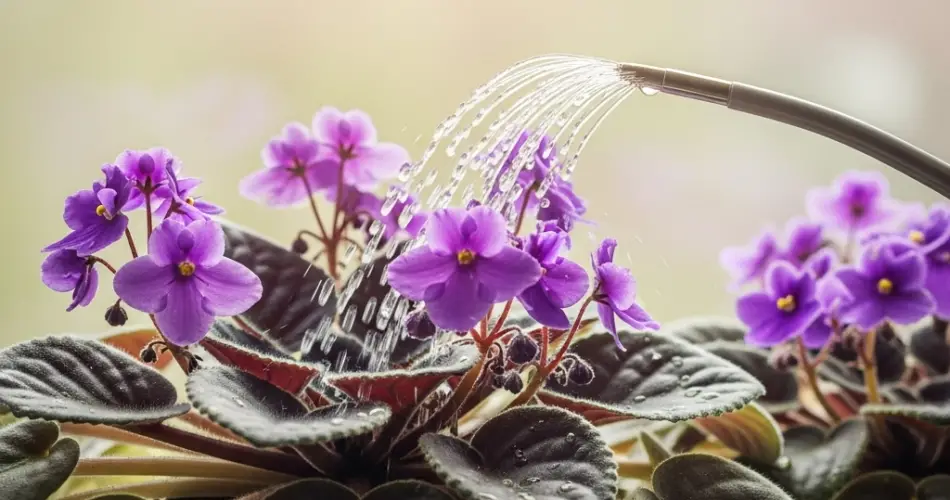
African violets (Saintpaulia) are delicate, flowering houseplants cherished for their velvety leaves and colorful, compact blooms. While they’re relatively easy to care for once established, their sensitivity to watering—especially at the root level—makes it essential to get this part of their care right. Improper watering is the leading cause of root damage, leaf spotting, and even plant death.
Knowing how and when to water African violets can help you maintain a thriving plant that blooms consistently throughout the year.
Why African Violets Need Special Watering Care
Unlike many other houseplants, African violets have a shallow, fibrous root system that’s highly prone to rot if overwatered. Additionally, their fuzzy leaves are sensitive to water droplets, which can cause unsightly spots or fungal issues when exposed to moisture. As a result, watering technique is just as important as frequency.
These plants prefer a balance: not too wet and not too dry. Moisture should be consistent but never excessive.
How Often Should You Water African Violets?
There’s no fixed schedule for watering African violets—it depends on the plant’s environment. The general rule is to water when the top inch (2.5 cm) of the potting mix feels dry. For many indoor settings, this equates to watering every 5–7 days during active growth, and every 10–14 days during cooler or dormant periods.
Environmental factors that affect watering frequency include:
-
Light levels: Brighter light increases water needs.
-
Humidity and temperature: Dry or warm rooms may dry soil faster.
-
Pot size and material: Smaller pots and porous materials like terracotta dry out more quickly than plastic or glazed containers.
-
Soil type: Fast-draining mixes require more frequent watering than heavy, moisture-retentive soils.
Best Watering Methods for African Violets
There are three main techniques for watering African violets. Each has benefits and drawbacks, but all can be effective when done properly:
1. Bottom Watering (Preferred Method)
Place the pot in a shallow tray or bowl of water for 15–30 minutes. The soil will absorb water through the drainage holes by capillary action. Once the top feels moist, remove the plant and let it drain fully before returning it to its spot.
Benefits:
-
Avoids getting water on leaves
-
Minimizes soil disturbance
-
Reduces chances of leaf spotting
2. Top Watering (With Care)
Pour lukewarm water gently onto the soil, avoiding the crown and leaves. Use a narrow-spouted watering can or syringe for better control.
Important tips:
-
Water the soil surface only
-
Never let water sit in the crown (center of the plant)
-
Use room-temperature, filtered or dechlorinated water
3. Self-Watering Pots
These containers use a wick or reservoir system that allows the plant to absorb water as needed. They’re great for maintaining consistent moisture but must be cleaned regularly to prevent bacteria or algae buildup.
Choosing the Right Water
African violets are sensitive to the quality of water used. Hard water or water with high chlorine, fluoride, or salt levels can cause leaf discoloration or buildup on the soil surface.
Best options include:
-
Filtered or distilled water
-
Rainwater
-
Tap water that’s been left to sit for 24 hours to dissipate chlorine
Always use room-temperature water to avoid shocking the plant’s roots.
Signs of Overwatering
Overwatering is the most common issue and can be fatal if not corrected. Symptoms include:
-
Wilting despite moist soil
-
Yellowing leaves
-
Soft, mushy stems or roots
-
Foul odor from the soil
-
Leaf loss near the base
If these signs appear, let the soil dry thoroughly and remove any rotting parts. Repot into fresh, dry, well-draining soil if needed.
Signs of Underwatering
On the flip side, underwatering can also stress the plant. Watch for:
-
Dry, brittle leaves
-
Leaf curling or wilting
-
Slow or no blooming
-
Soil pulling away from the pot edges
If this occurs, bottom-water your plant and establish a more consistent routine.
Soil and Pot Tips for Root Health
The right soil and container help prevent watering issues. Use a light, porous potting mix designed specifically for African violets. These blends typically contain peat moss, vermiculite, and perlite to ensure proper aeration and drainage.
Choose pots with drainage holes to allow excess water to escape. Avoid oversized pots—African violets prefer slightly root-bound conditions and perform better in smaller containers.
Final Thoughts
Watering African violets doesn’t have to be tricky once you understand their needs. Consistency, proper technique, and attention to water quality are the keys to keeping their roots healthy and their blooms vibrant. Whether you prefer bottom-watering, top-watering with care, or self-watering systems, the goal is always the same: keep the roots moist but not soggy and never allow water to linger on the leaves or crown.
With these watering practices in place, your African violet will reward you with year-round flowers and lush, velvety foliage.


