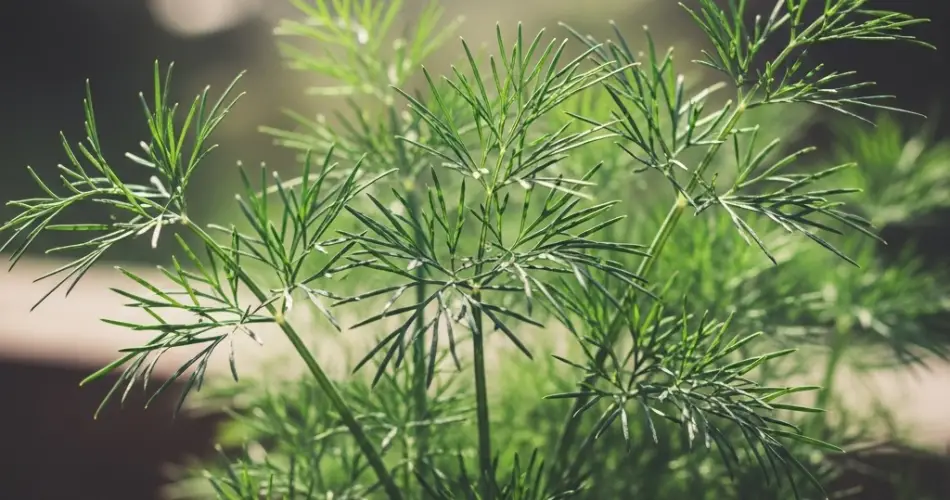
Aphids are among the most common garden pests, often attacking tender plant leaves and new growth. These tiny insects multiply rapidly and can quickly weaken healthy plants by sucking out their sap. While chemical sprays may seem like a quick fix, natural pest control methods are safer for your garden, the environment, and beneficial insects. One effective and eco-friendly solution is growing dill. Known for its culinary uses, dill also plays a powerful role in repelling aphids naturally and attracting beneficial predators. Here’s how you can use dill to protect your garden from aphids without the use of harsh chemicals.
Why Aphids Are a Problem
Aphids are small, soft-bodied insects that come in various colors such as green, black, and white. They cluster on the undersides of leaves and around new shoots, feeding on the sap and weakening the plant. Over time, infested plants may show signs of yellowing, stunted growth, curling leaves, and sticky honeydew, which can attract ants and lead to mold growth. Controlling aphid populations early is essential to prevent infestations from spreading.
Why Dill Works as a Natural Repellent
Dill has a strong scent that aphids find unappealing. But even more importantly, it attracts predatory insects that feed on aphids. These natural enemies include:
-
Ladybugs
-
Lacewings
-
Hoverflies
-
Parasitic wasps
By planting dill, you create a mini habitat that invites these beneficial insects into your garden. They not only help manage aphid populations but also keep other pests under control.
Where and How to Plant Dill
To maximize dill’s effectiveness as an aphid deterrent, it’s important to plant it strategically. Here’s how:
1. Choose the Right Location
Dill grows best in full sun and well-draining soil. You can plant it directly in garden beds or containers. Consider placing it near aphid-prone plants like tomatoes, peppers, cabbage, kale, or roses.
2. Use Companion Planting Techniques
Plant dill next to vegetables and flowers that commonly attract aphids. Its presence will lure beneficial insects to these areas, acting as a natural pest control team. Avoid planting dill too close to carrots, as it can stunt their growth.
3. Succession Planting
To maintain a continuous presence of dill in your garden, sow seeds every few weeks during the growing season. This ensures that fresh blooms are always available to attract predator insects, especially hoverflies, which rely on flowers for nectar.
How to Maintain Dill for Pest Control
For dill to keep doing its job effectively, it needs to be healthy and well-maintained:
-
Water regularly, especially in dry weather, but avoid soggy soil.
-
Thin seedlings to allow airflow and prevent mildew.
-
Let some plants flower since the umbrella-shaped blooms are particularly attractive to beneficial insects.
-
Avoid overharvesting if you’re also using dill for cooking—leave enough foliage and flowers for insect attraction.
Additional Tips for Using Dill Against Aphids
1. Combine Dill with Other Insectary Plants
While dill is powerful on its own, pairing it with other plants like fennel, yarrow, or coriander can enhance its effect. These plants create a rich environment for predator insects and improve overall pest control.
2. Avoid Using Pesticides
Chemical sprays can kill both pests and beneficial insects. If you’re using dill to attract aphid predators, refrain from spraying insecticides nearby—even organic ones—so you don’t disrupt the natural balance.
3. Create a Buffer Zone
Plant dill in small patches throughout the garden, especially in areas where aphids have been a recurring problem. By spreading out the dill, you ensure widespread coverage and greater pest resistance.
4. Observe and Learn
Check your dill plants regularly for signs of activity. If you see ladybugs, lacewing larvae, or tiny parasitic wasps around the flowers or aphid-infested plants nearby, it’s a good sign that your natural pest control system is working.
Harvesting Dill Without Reducing Its Benefits
If you’re growing dill for both pest control and culinary use, harvest carefully. Trim only a few sprigs at a time, and avoid cutting back plants too much. Leave the flowering heads intact, as these are what attract hoverflies and parasitic wasps the most. You can harvest leaves up until the plant starts going to seed, after which it’s best to leave it alone for its pest-repelling benefits.
A Natural Solution for a Healthier Garden
Dill is more than just a flavorful herb—it’s a valuable ally in your organic pest control toolkit. By incorporating dill into your garden layout, you create a more balanced ecosystem where aphids are kept in check naturally. Whether you’re growing vegetables, herbs, or ornamental plants, using dill as a companion plant helps reduce pest pressure while supporting the health of your entire garden.
With regular planting and a little planning, dill can provide ongoing protection and keep your plants thriving without the need for synthetic pesticides.


