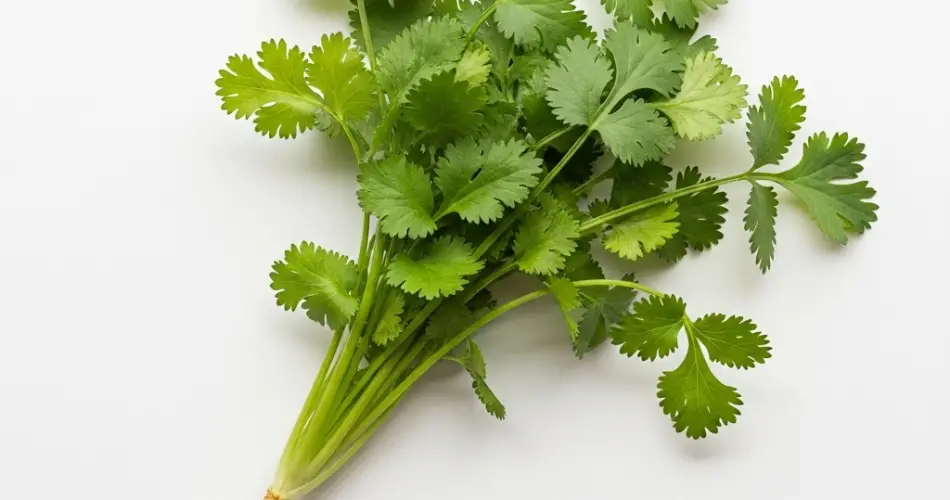
Cilantro, also known as coriander, is a flavorful herb that’s popular in cuisines around the world. While it’s easy to grow, many gardeners struggle to keep it productive throughout the growing season. The main challenge with cilantro is its tendency to bolt—or go to seed—quickly, especially in warm weather. Once it bolts, the leaves become sparse and bitter, and the plant focuses its energy on flowering and seed production.
Fortunately, with the right care and growing techniques, you can extend the life of your cilantro plants and enjoy a continuous harvest. Here are practical tips to help keep your cilantro productive all season long.
1. Choose the Right Variety
Some cilantro varieties are slower to bolt than others. Look for bolt-resistant types such as ‘Slow Bolt,’ ‘Long Standing,’ or ‘Calypso.’ These varieties have been bred to tolerate higher temperatures and stay leafy for longer. Starting with the right seeds gives you a better chance at a prolonged harvest.
2. Plant in Cooler Conditions
Cilantro prefers cool weather. For best results, plant it in early spring and again in late summer for a fall crop. In hot climates, cilantro can struggle in mid-summer heat, often bolting quickly. If you want a steady supply, avoid planting during peak heat and choose shaded spots or cooler times of the year.
3. Sow Seeds Successively
To ensure a continuous harvest, sow cilantro seeds every 2 to 3 weeks. This succession planting means you’ll always have a fresh batch of young, leafy plants ready to pick while older ones go to seed. Instead of trying to force one plant to last, you’re creating a steady rotation of harvestable herbs.
4. Provide Partial Shade in Hot Weather
Too much heat causes cilantro to bolt, so providing partial shade during hot days can help slow this process. Plant cilantro where it receives morning sun and afternoon shade, or use shade cloth to reduce stress on the plant. Containers can also be moved to shaded areas when temperatures rise.
5. Water Consistently
Cilantro prefers moist, well-drained soil. Irregular watering—especially letting the soil dry out—can trigger bolting. Keep the soil evenly moist by watering regularly, especially during dry spells. Mulching around the base of the plants helps retain moisture and regulate soil temperature, both of which reduce stress on the plant.
6. Harvest Frequently
Regular harvesting encourages cilantro to grow more leaves. Begin picking the outer leaves once the plant reaches about 4 to 6 inches tall. Always harvest from the outside, leaving the center intact so it can continue producing. Frequent harvesting delays bolting and promotes bushier, more productive growth.
If your plant starts forming flower buds, snip them off immediately to encourage leaf production instead.
7. Use the Cut-and-Come-Again Method
Rather than pulling the entire plant, use the cut-and-come-again harvesting method. With scissors or garden shears, trim the outer leaves about 1–2 inches above the soil line. This allows the plant to regrow and gives you multiple harvests from the same crop.
Be careful not to cut too close to the crown, as this could damage the plant and slow regrowth.
8. Grow Cilantro in Containers
Containers allow you to control growing conditions more easily. Choose a wide, shallow container with good drainage and fill it with high-quality potting mix. Place the container in a location with morning sun and afternoon shade.
Container-grown cilantro is ideal for succession planting, and you can move the pots as needed to protect plants from excess heat.
9. Let Some Plants Go to Seed
Even with your best efforts, some cilantro will eventually bolt. Instead of removing all bolted plants, let a few go to seed. These seeds, called coriander, are a flavorful spice used in many dishes. Once the seeds dry on the plant, collect them and either use them in cooking or replant them for a future crop.
Allowing a few plants to self-seed can also result in volunteer cilantro plants popping up next season.
10. Watch for Pests and Diseases
Aphids and fungal issues can affect cilantro, especially in humid or crowded conditions. Keep an eye on the leaves, and treat pest problems early with natural solutions like neem oil or insecticidal soap. Ensure good airflow between plants to prevent fungal diseases.
Final Thoughts
Cilantro may have a reputation for being short-lived, but with a bit of planning and care, it’s possible to enjoy fresh, flavorful leaves for much longer than a single harvest. By planting successively, keeping it cool and well-watered, and harvesting regularly, you can keep your cilantro thriving and productive all season. Whether you use it in salsa, curry, or salad, you’ll always have a fresh bunch ready in your garden.


