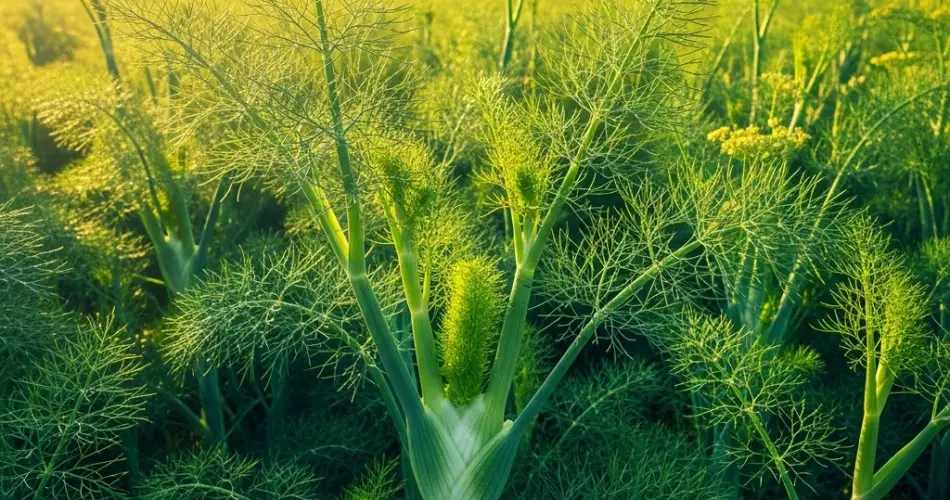
Fennel is a flavorful and aromatic herb and vegetable valued for both its feathery fronds and crisp, bulbous base. However, one common issue gardeners face when growing fennel—particularly bulb fennel (Florence fennel)—is premature bolting. Bolting is when a plant shifts its energy from producing leaves or bulbs to flowering and setting seed, often leading to tough, bitter, or unusable produce.
Understanding why fennel bolts and how to prevent it can help you enjoy a healthy, delicious harvest. Here’s a comprehensive guide to keeping your fennel plants from bolting too soon.
What Is Bolting and Why Does It Happen?
Bolting is a natural part of a plant’s life cycle, triggered by stress or environmental cues. For fennel, the main causes of bolting include:
-
Sudden changes in temperature, especially cold snaps followed by warm weather
-
Long daylight hours (photoperiod sensitivity)
-
Poor transplanting practices
-
Inconsistent watering or nutrient deficiencies
Once a fennel plant begins to bolt, the bulb stops forming, and the plant grows tall rapidly to produce flowers. While fennel flowers attract pollinators and can produce seeds for future planting, a bolted plant will not yield the tender bulbs that gardeners typically desire.
1. Choose the Right Variety
Some fennel varieties are more prone to bolting than others. When planting bulb fennel, opt for bolt-resistant cultivars such as:
-
‘Zefa Fino’
-
‘Orion’
-
‘Victoria’
These varieties are bred to be slower to bolt and more tolerant of varying conditions. Choosing the right seeds gives you a head start in preventing this issue.
2. Sow at the Right Time
Timing is critical with fennel. To avoid bolting, direct sow seeds in late spring after the last frost, when the weather is steadily warm. If sowing in cooler conditions, fennel is more likely to bolt as temperatures rise.
Alternatively, fennel grows well as a fall crop in many regions. Planting in late summer for a fall harvest often results in better bulbs and less risk of bolting, as the plants mature during cooler weather.
3. Avoid Transplant Shock
Fennel does not transplant well. Its long taproot is sensitive to disturbance, and transplanting can trigger bolting due to root stress. If you must start seeds indoors, transplant seedlings while they are still small, and handle them very gently. Better yet, direct sow seeds into their final location in the garden.
Use biodegradable pots if starting indoors, so the entire container can be planted without disturbing the roots.
4. Protect from Temperature Swings
Cold temperatures followed by sudden heat are one of the primary triggers for bolting in fennel. If a cold spell is expected after planting, use row covers or cloches to shield young plants. You can also delay planting until the risk of spring cold snaps has passed.
Mulching around the base of fennel can help moderate soil temperatures and reduce stress.
5. Maintain Consistent Moisture
Inconsistent watering can stress fennel plants and cause premature bolting. Keep the soil consistently moist but not waterlogged. Mulch with straw or compost to retain moisture and prevent the roots from drying out.
Make sure your fennel is planted in well-drained soil, and water during dry spells, especially as the plant matures.
6. Feed Your Plants Appropriately
Fennel is a moderate feeder and benefits from fertile soil rich in organic matter. A balanced, slow-release fertilizer applied at planting time, followed by a nitrogen boost mid-season, can help the plant grow steadily without stress.
Avoid over-fertilizing, as this can lead to overly fast growth that may also encourage bolting.
7. Harvest at the Right Time
Don’t wait too long to harvest bulb fennel. Once the bulbs reach about the size of a tennis ball (typically 3–4 inches across), they are ready to be picked. Waiting too long can result in a woody bulb or signal to the plant that it’s time to flower.
Use a sharp knife to cut the bulb at ground level and leave the roots in place; the plant may regrow fronds for a second harvest.
8. Monitor Plants Regularly
Keep a close eye on your fennel plants. If you see a flower stalk forming in the center, it’s a sign the plant is beginning to bolt. While there’s little you can do to reverse bolting, harvesting the bulb immediately may still salvage part of the crop.
Also, remove bolting plants to prevent them from directing energy toward seed production and to make space for replanting.
Final Thoughts
Preventing bolting in fennel comes down to reducing plant stress and managing the growing environment carefully. Choose bolt-resistant varieties, sow at the right time, avoid root disturbance, and maintain consistent moisture and nutrition. With the right care, you can enjoy sweet, tender fennel bulbs all season long and minimize the frustration of premature flowering.