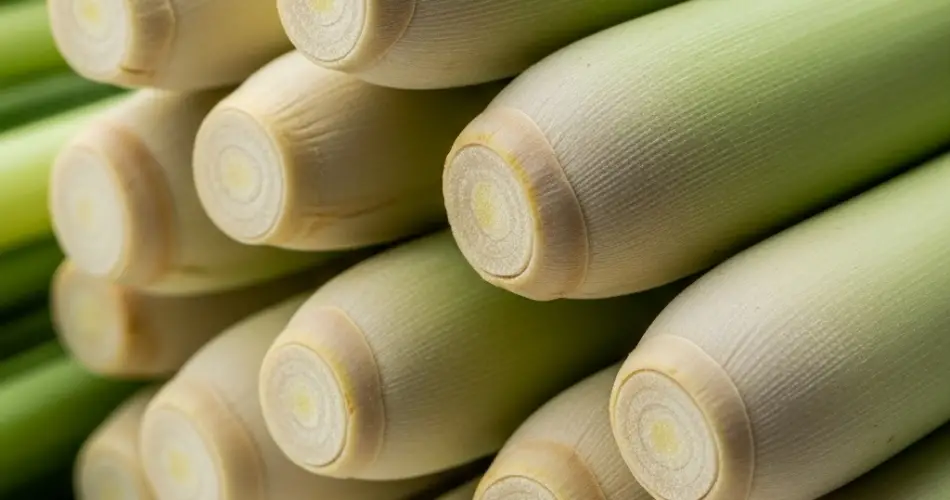
Lemongrass is widely known for its fresh citrus scent and culinary uses, especially in Asian cuisine. But beyond its role in the kitchen, lemongrass is a powerful natural insect repellent that can help protect you and your garden from unwanted pests. Packed with citronella—a compound commonly found in many commercial insect repellents—lemongrass offers an organic, chemical-free alternative to keeping bugs at bay. Here’s how to grow lemongrass and use it effectively as a natural insect repellent.
Why Lemongrass Works Against Insects
The secret to lemongrass’s insect-repelling power lies in citronella, an essential oil found in the plant’s stalks and leaves. Citronella masks scents that attract insects, especially mosquitoes, making it harder for them to find their target. It’s effective against a variety of pests including:
-
Mosquitoes
-
Houseflies
-
Ants
-
Whiteflies
-
Ticks
-
Gnats
When used correctly, lemongrass can protect both your home and your garden while adding beauty and fragrance to your space.
How to Grow Lemongrass
Lemongrass (Cymbopogon citratus) is a tropical plant that thrives in warm climates but can also be grown in containers and brought indoors during cold seasons. It’s low-maintenance and fast-growing, making it an excellent addition to any garden or patio.
1. Choose a Sunny Spot
Lemongrass loves sunlight. Pick a location that receives at least 6 to 8 hours of direct sunlight daily. It can grow in garden beds or large pots.
2. Prepare the Soil
Plant lemongrass in well-draining, nutrient-rich soil. Mix compost or organic matter into the soil to promote healthy root development.
3. Planting Lemongrass
You can grow lemongrass from seeds, seedlings, or stalks purchased from grocery stores or nurseries. If using stalks, place them in water until roots develop, then transfer them into soil.
4. Watering and Care
Keep the soil consistently moist, especially during hot weather. Lemongrass also benefits from occasional feeding with compost tea or organic fertilizer.
5. Overwintering
In colder regions, bring potted lemongrass indoors before the first frost. Place it near a sunny window or under grow lights to keep it alive through winter.
Using Lemongrass as an Insect Repellent
Once your lemongrass is established, there are several ways you can use it to deter insects naturally:
1. Plant it Around the Perimeter
Place lemongrass plants around seating areas, patios, doorways, or garden beds. The scent of the plant alone can help keep mosquitoes and other bugs away.
2. Make a Lemongrass Spray
You can easily prepare your own insect repellent spray using lemongrass. Here’s how:
Ingredients:
-
1 cup water
-
1 cup witch hazel or rubbing alcohol
-
10–15 drops of lemongrass essential oil (or extract oil from fresh leaves by steeping)
Instructions:
Mix the ingredients in a spray bottle. Shake well before use and spray around your body, clothing, or areas where insects tend to gather. Avoid contact with eyes and broken skin.
3. Rub Fresh Leaves on Skin
Crush a few lemongrass leaves to release their oils and rub them directly on your skin. This is a quick, natural way to ward off mosquitoes if you’re outdoors. However, test on a small patch of skin first to check for any sensitivity.
4. Boil Leaves for Indoor Use
Boiling lemongrass leaves in water releases its citrus aroma into the air. Let the steam circulate around the house to repel flies and mosquitoes naturally.
5. Lemongrass Oil Diffusers or Candles
Using a lemongrass-scented candle or diffuser indoors can keep bugs at bay while making your home smell fresh. These are particularly effective in areas where windows or doors are often open.
Additional Benefits of Growing Lemongrass
-
Culinary Uses: You can harvest the stalks for cooking. Lemongrass adds flavor to soups, curries, teas, and marinades.
-
Aesthetic Appeal: With its tall, graceful leaves, lemongrass adds visual interest to your garden or balcony.
-
Pest Management in the Garden: Aside from repelling mosquitoes, lemongrass may deter harmful insects like whiteflies and aphids from attacking nearby plants.
Harvesting and Storage
You can begin harvesting lemongrass when the stalks are at least ½ inch thick. Cut near the base and strip the outer layers to reveal the tender core. Store fresh stalks in the refrigerator or freeze for later use. Dried leaves can also be stored and steeped in teas or used in homemade sprays.
A Safe and Sustainable Insect Solution
Lemongrass offers an all-natural, effective way to repel insects without the use of synthetic chemicals. It’s easy to grow, versatile in the kitchen, and provides long-lasting protection when used regularly. Whether you’re looking to keep bugs off your skin, out of your garden, or away from your home, lemongrass is a fragrant and reliable ally in sustainable pest control.


