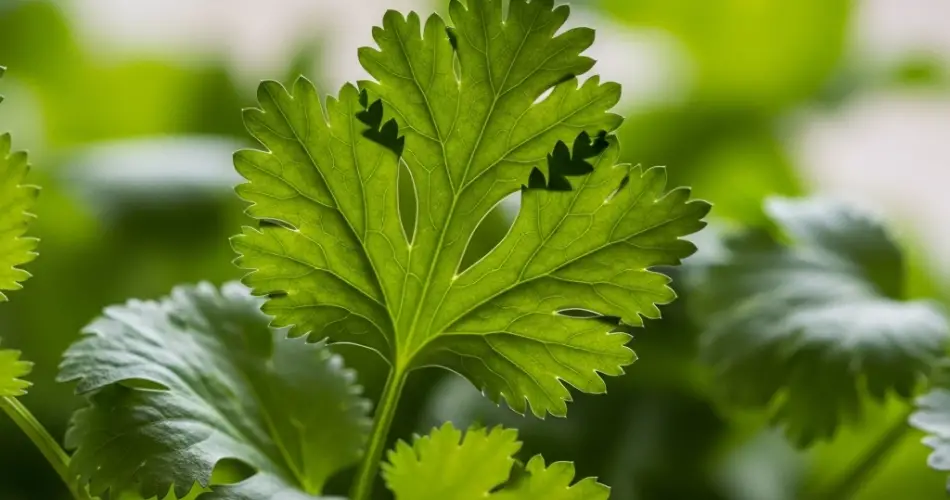
Coriander, also known as cilantro (Coriandrum sativum), is widely celebrated for its culinary uses, but it also holds surprising value as a natural pest repellent. This aromatic herb has properties that repel many common garden pests, making it a useful companion in both vegetable and ornamental gardens.
If you’re looking for an eco-friendly, cost-effective way to reduce pest problems without chemicals, coriander may be just the solution you need. Here’s how coriander can help control pests naturally and how to use it effectively in your garden.
Why Coriander Works as a Pest Repellent
Coriander contains essential oils such as linalool, camphor, and borneol, which have strong insect-repelling and antimicrobial properties. When crushed or used in sprays, these oils release a strong aroma that deters pests. Additionally, coriander can disrupt the life cycle of certain insects by masking the scents that attract them to host plants.
Coriander is particularly effective against:
-
Aphids
-
Spider mites
-
Potato beetles
-
Whiteflies
-
Red spider mites
Its ability to confuse and repel insects makes it an excellent addition to your natural pest control toolkit.
1. Companion Planting with Coriander
One of the simplest ways to harness coriander’s pest-repelling power is by using it in companion planting. Planting coriander near crops that are prone to insect infestations helps create a protective barrier.
Best companions for coriander include:
-
Tomatoes: Coriander helps deter aphids and spider mites.
-
Spinach and leafy greens: Repels pests like aphids and flea beetles.
-
Potatoes: Helps reduce the risk of potato beetle infestations.
-
Cabbage and broccoli: Discourages cabbage moths and whiteflies.
When interplanted with vulnerable crops, coriander releases its scent and essential oils, creating an aromatic shield that insects find unappealing.
2. Using Coriander Leaves and Seeds as a Spray
You can create a homemade coriander spray to apply directly to plants as a deterrent. This is especially useful if pests are already present.
How to make coriander pest spray:
Ingredients:
-
A handful of fresh coriander leaves or 1 tablespoon of crushed coriander seeds
-
2 cups of water
-
A few drops of mild liquid soap (optional, for better adherence)
Steps:
-
Boil the coriander leaves or seeds in 2 cups of water for about 10 minutes.
-
Let the mixture cool, then strain it into a spray bottle.
-
Add a few drops of soap if desired to help the solution stick to leaves.
-
Spray the mixture on the undersides and tops of plant leaves, where pests tend to hide.
Repeat every 5–7 days or after rain for consistent protection.
3. Coriander as a Trap Crop
Coriander can also be used as a trap crop—a plant that attracts pests away from your main crops. Some pests, like aphids, are more attracted to coriander than to neighboring plants.
By planting coriander near more sensitive crops like lettuce or cucumbers, you can divert pest attention. Once pests gather on the coriander, you can remove the infested plant or treat it directly with neem oil or insecticidal soap to eliminate the pests before they spread.
4. Using Coriander Essential Oil
Coriander essential oil is highly concentrated and can be used in small amounts for strong pest control.
How to use:
-
Mix 5–10 drops of coriander essential oil with 1 liter of water and a few drops of mild soap.
-
Spray this mix on plant leaves, focusing on pest-prone areas.
-
Use once a week or after heavy rain for ongoing protection.
Be sure to test on a small section of the plant first to ensure it doesn’t cause leaf damage, especially on sensitive foliage.
5. Let Coriander Flower for Beneficial Insects
When left to flower, coriander produces small white blossoms that are attractive to beneficial insects like ladybugs, lacewings, hoverflies, and parasitic wasps. These insects feed on pests like aphids and caterpillars, providing natural biological control in your garden.
By allowing some coriander plants to bolt and flower, you’re supporting a balanced garden ecosystem and boosting natural pest control efforts.
6. Ground Cover and Mulch Use
You can also use chopped coriander leaves as a natural mulch or ground cover. As the leaves decompose, they release aromatic compounds into the soil and air, helping deter soil-dwelling pests like cutworms or nematodes.
Simply chop a few handfuls of coriander and scatter it around the base of vulnerable plants. Reapply every few weeks or after heavy rain.
Conclusion
Coriander is more than just a flavorful herb—it’s a multipurpose ally in your garden. Whether you plant it alongside vegetables, turn it into a pest-repelling spray, or use its flowers to attract helpful insects, coriander can play a vital role in your natural pest control strategy.
By incorporating coriander into your garden, you’ll not only reduce the need for chemical pesticides but also foster a healthier, more sustainable growing environment. With consistent use, this humble herb can help you grow pest-free plants while supporting the broader ecosystem in your garden.


