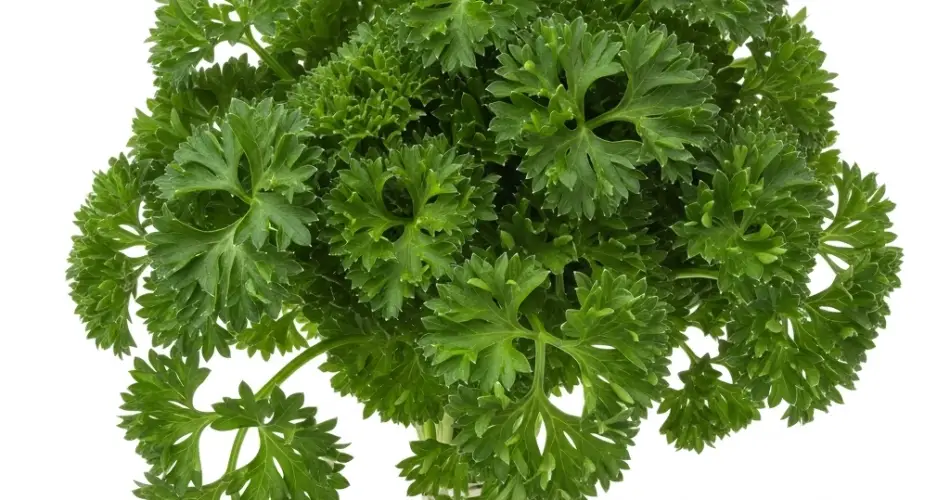
Parsley is one of the most commonly used herbs in the kitchen, adding fresh flavor and vibrant color to a wide range of dishes. If you grow your own parsley at home, you likely enjoy snipping a few sprigs whenever you cook. But what about when your garden produces more parsley than you can use fresh? Drying and storing it is a simple and effective way to preserve its flavor for months to come.
Drying parsley allows you to enjoy your harvest even in the off-season, and it takes up very little storage space. Whether you grow curly or flat-leaf (Italian) parsley, here’s how to harvest, dry, and store it properly for long-term use.
When to Harvest Parsley for Drying
The best time to harvest parsley for drying is in the morning after the dew has dried but before the sun becomes too hot. This is when the essential oils in the leaves are most concentrated, providing better flavor after drying.
Parsley can be harvested anytime during the growing season, but you’ll get the best flavor if you collect the leaves before the plant begins to flower. Use clean scissors or garden shears to cut the stems near the base, and always leave a few inches of growth to allow the plant to keep producing.
Preparing Parsley for Drying
-
Wash the Parsley:
Rinse the harvested parsley under cool, running water to remove dirt or insects. Swish the leaves gently in a bowl of water if necessary. Be careful not to bruise the leaves, as this can affect flavor and color. -
Dry the Leaves:
Shake off excess water and lay the parsley out on a clean towel or paper towels. Gently pat the leaves dry and let them air-dry for about an hour before beginning the drying process. Excess moisture can lead to mold, so this step is important. -
Remove Thick Stems:
While you can dry parsley with the stems intact, removing the thicker stems helps the drying process go more quickly and ensures a more uniform result.
Drying Methods
There are several ways to dry parsley, depending on your time, equipment, and preference.
1. Air Drying (Traditional Method)
This is the most natural and energy-efficient method, though it takes more time.
-
Tie small bunches of parsley together at the stems with string or a rubber band.
-
Hang the bunches upside down in a warm, dry, and well-ventilated area, out of direct sunlight.
-
It usually takes 1–2 weeks for the leaves to become fully dry and brittle to the touch.
-
Once dry, remove the leaves from the stems and crumble them if desired.
2. Using a Dehydrator
A food dehydrator makes the process faster and more controlled.
-
Lay the parsley leaves in a single layer on the dehydrator trays.
-
Set the dehydrator to the lowest setting (usually around 95°F or 35°C).
-
Dry for 4–6 hours, checking periodically. The leaves should crumble easily when fully dry.
3. Oven Drying
If you don’t have a dehydrator, your kitchen oven will do the job.
-
Preheat your oven to the lowest temperature setting (typically 170°F or 75°C).
-
Spread parsley in a single layer on a baking sheet lined with parchment paper.
-
Leave the oven door slightly ajar to allow moisture to escape.
-
Bake for 20 to 30 minutes, checking often to avoid over-drying or burning.
Storing Dried Parsley
Once the parsley is completely dry, it’s time to store it properly to preserve its flavor.
-
Crush or Keep Whole: You can crush the leaves for easier use in recipes, or store them whole to preserve more of the oils and flavor.
-
Use Airtight Containers: Store dried parsley in glass jars, spice containers, or resealable bags. Make sure the container is airtight to protect against moisture.
-
Label and Date: Mark the container with the date so you can keep track of freshness.
-
Store in a Cool, Dark Place: Keep your dried parsley in a pantry, cupboard, or spice drawer away from light and heat.
Properly dried and stored parsley can retain flavor for up to a year, although it’s best used within six months for optimal taste.
How to Use Dried Parsley
Dried parsley is perfect for soups, sauces, stews, marinades, dressings, and seasoning blends. While it lacks the same vibrant color and strong aroma of fresh parsley, it still provides a pleasant herbaceous flavor. Use about one-third the amount of dried parsley compared to fresh in recipes (for example, 1 teaspoon of dried for every tablespoon of fresh).
Final Thoughts
Drying parsley is a practical and rewarding way to preserve your garden’s bounty. With minimal effort, you can stock your spice rack with homegrown flavor to enjoy all year long. Whether you air dry, use a dehydrator, or rely on your oven, the key to success is harvesting at the right time and storing your dried herbs properly. This simple routine not only reduces food waste but also elevates your cooking with the fresh taste of homegrown herbs.


