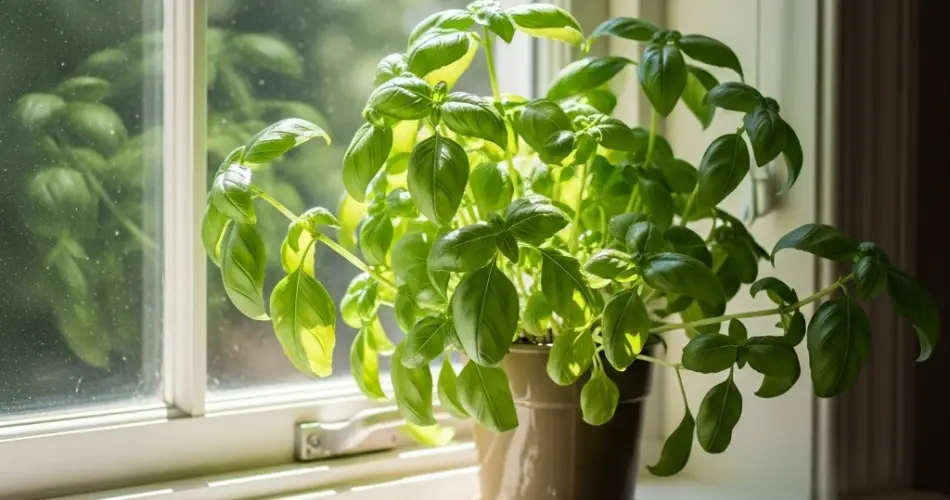
Fresh basil is one of the most aromatic and versatile herbs to grow at home, and the good news is—you don’t need a garden to enjoy it. With the right care and setup, basil can thrive right on your kitchen windowsill. Whether you want to elevate your cooking or simply enjoy a touch of greenery indoors, growing basil indoors is both practical and rewarding.
Here’s everything you need to know to successfully grow basil on a windowsill year-round.
Choosing the Right Basil Variety
There are several types of basil, each with its own flavor and appearance. For windowsill growing, compact and smaller-leaf varieties are ideal. Some popular choices include:
-
Sweet Basil: The classic variety used in Italian dishes and pesto.
-
Greek Basil: Smaller leaves and more compact growth—perfect for containers.
-
Lemon Basil or Cinnamon Basil: Great for teas or adding unique flavor notes.
-
Purple Basil: Adds visual interest with its striking dark leaves.
You can grow basil from seeds or purchase starter plants from a nursery or grocery store. If starting from seed, begin indoors and allow 7–10 days for germination.
Choosing the Best Spot
Basil needs plenty of sunlight—at least 6 hours of direct sunlight per day. A south-facing window is ideal, but an east or west-facing window can also work with a little extra help from a grow light if needed.
Make sure the window is warm and draft-free. Basil is sensitive to cold, and temperatures below 50°F (10°C) can cause damage. If your windowsill gets chilly at night, move the plant slightly away from the glass or insulate the area.
Potting and Soil Tips
-
Container: Choose a pot that is at least 6 inches deep with drainage holes to prevent waterlogging.
-
Soil: Use a light, well-draining potting mix. A standard herb or vegetable potting soil will work well.
-
Drainage: Add a saucer under the pot to catch excess water, and make sure the roots never sit in standing water.
You can grow multiple small basil plants in individual pots or group several in a rectangular windowsill planter if space allows.
Watering Basil Properly
Basil likes consistently moist soil, but not soggy. The key is watering deeply but less frequently:
-
Check the top inch of soil with your finger. If it feels dry, it’s time to water.
-
Water until it drains from the bottom of the pot.
-
Avoid overhead watering to prevent fungal issues—watering at the base is better.
During colder months, basil’s growth slows down, so reduce watering frequency accordingly.
Pruning for Bushier Growth
One of the secrets to a thriving indoor basil plant is regular pruning. It not only encourages bushier growth but also gives you more leaves to harvest.
-
Start pinching off the top sets of leaves when the plant has at least 4 to 6 sets of true leaves.
-
Always cut just above a leaf pair or node.
-
Avoid letting the plant flower, as this can turn the leaves bitter. Remove any flower buds that appear.
With regular pruning, a basil plant can keep producing fresh leaves for months.
Feeding and Maintenance
Basil is a light feeder but will appreciate an occasional nutrient boost.
-
Feed every 4–6 weeks with a diluted liquid fertilizer (preferably organic or one labeled for herbs).
-
Don’t over-fertilize—too much nitrogen can reduce the flavor of the leaves.
Also, rotate the pot every few days to ensure all sides of the plant receive equal light, which encourages even growth.
Common Issues to Watch Out For
-
Yellowing Leaves: Often caused by overwatering or poor drainage.
-
Leggy Growth: A sign of insufficient light—move to a sunnier window or add a grow light.
-
Powdery Mildew or Mold: Improve air circulation and avoid splashing water on the leaves.
If pests like aphids or spider mites appear, rinse the plant under gentle water or use a mild insecticidal soap.
Harvesting and Using Your Basil
Once your basil plant is established, you can start harvesting regularly. Pick leaves starting from the top, always leaving at least one-third of the plant intact to allow regrowth.
Fresh basil is perfect in:
-
Pasta and tomato dishes
-
Pesto
-
Salads
-
Sandwiches
-
Herbal teas
If you have more than you can use, consider freezing or drying extra leaves for later use.
Final Thoughts
Growing basil on your windowsill is a simple way to keep a fresh supply of herbs at your fingertips. With plenty of sunlight, a good watering routine, and regular pruning, your basil plant can provide aromatic leaves for months. It’s a perfect herb for beginners and a flavorful addition to any indoor garden setup.


