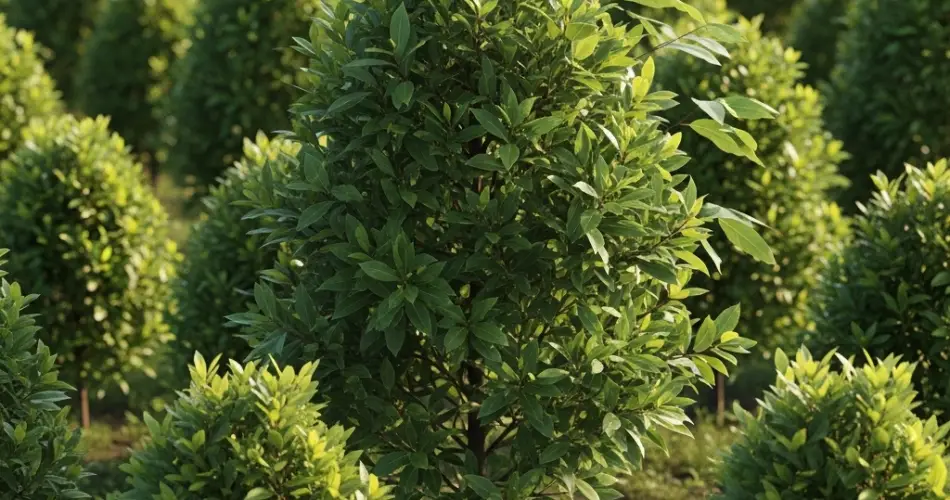
Bay leaf trees (Laurus nobilis), also known as bay laurel, are evergreen herbs cherished for their aromatic leaves, widely used in cooking. While they are generally hardy and low-maintenance, regular organic fertilization ensures healthy growth, lush foliage, and a long productive life. Whether grown in containers or directly in the ground, bay leaf trees benefit from a balanced nutrient routine—especially when done organically.
Here’s a complete guide on how to organically fertilize bay leaf trees to keep them thriving throughout the seasons.
Why Use Organic Fertilizers for Bay Trees?
Bay trees grow slowly and don’t demand heavy feeding, but organic fertilizers enrich the soil over time, improve microbial life, and encourage stronger root systems. Unlike synthetic fertilizers, organic materials release nutrients gradually, which aligns perfectly with the bay tree’s moderate growth pattern.
Organic feeding also reduces the risk of over-fertilization, which can damage roots or cause excessive, weak growth prone to pests and diseases.
Best Organic Fertilizers for Bay Trees
Several organic materials work well for feeding bay leaf trees. Here are some of the best options and how to use them:
1. Compost
Rich in organic matter and beneficial microorganisms, compost improves soil texture and fertility. Use well-aged compost around the base of the tree:
-
Apply 1–2 inches of compost around the root zone in spring and again in mid-summer.
-
Keep compost a few inches away from the trunk to prevent rot.
Compost improves moisture retention and gradually feeds the tree throughout the season.
2. Aged Manure
Manure from herbivores (such as cows, horses, or chickens) adds essential nutrients like nitrogen, phosphorus, and potassium:
-
Use only well-rotted or aged manure to avoid burning roots.
-
Apply in late winter or early spring before new growth starts.
-
Mix lightly into the topsoil or cover with a layer of mulch.
3. Worm Castings
Worm castings are a mild, nutrient-rich fertilizer ideal for potted bay trees:
-
Mix 1–2 tablespoons of worm castings into the top few inches of soil every 6–8 weeks during the growing season.
-
For in-ground trees, add worm castings around the drip line.
They promote healthy foliage and improve soil structure without overfeeding.
4. Seaweed Extract or Kelp Meal
These natural fertilizers are loaded with trace minerals, plant hormones, and enzymes that stimulate growth and root development:
-
Use liquid seaweed extract every 3–4 weeks during active growth, diluted according to the label instructions.
-
Sprinkle kelp meal around the base in spring and water it in.
Seaweed helps the plant deal with stress and improves disease resistance.
5. Bone Meal and Rock Phosphate
Bay trees benefit from extra phosphorus, especially during the establishment phase:
-
Mix bone meal or rock phosphate into the soil when planting.
-
Apply a light top-up in spring to support root growth and overall vigor.
Phosphorus encourages a strong root system and better nutrient uptake.
When and How Often to Fertilize
Bay leaf trees grow actively in spring and summer, so this is the ideal time for feeding. Here’s a seasonal approach:
-
Early Spring (March–April): Apply compost or aged manure to kick-start growth.
-
Late Spring to Early Summer (May–June): Add worm castings or liquid seaweed every 4–6 weeks.
-
Mid-Summer (July): Give a second compost or manure top-dressing.
-
Late Summer to Fall (August–September): Stop feeding to allow the plant to prepare for dormancy.
Avoid fertilizing in late autumn and winter, as the tree’s growth slows, and unused nutrients can accumulate in the soil.
Fertilizing Potted Bay Trees
Bay trees in containers rely entirely on you for nutrients, so organic feeding becomes even more important:
-
Use a potting mix enriched with compost or worm castings.
-
Feed with diluted liquid seaweed or compost tea every 4–6 weeks during the growing season.
-
Refresh the top 1–2 inches of soil annually with compost or organic potting mix.
Be mindful not to overwater, as soggy soil can reduce nutrient uptake and lead to root rot.
Additional Tips for Healthy Bay Trees
-
Mulch smartly: A layer of organic mulch (like straw, bark chips, or leaf mold) helps retain moisture, suppress weeds, and slowly feed the soil.
-
Prune wisely: Light pruning in spring can stimulate bushier growth and improve air circulation, reducing pest and disease risks.
-
Monitor foliage: Pale or yellow leaves can indicate a nutrient imbalance. Adjust feeding based on plant response.
-
Check soil pH: Bay trees prefer a slightly acidic to neutral pH (6.0–7.0). If the soil is too alkaline, it may limit nutrient availability.
Conclusion
Feeding bay leaf trees organically is simple, effective, and sustainable. By using compost, worm castings, seaweed, and other natural fertilizers at the right time of year, you support your bay tree’s long-term health without synthetic chemicals. With proper care and feeding, your bay leaf tree will reward you with robust growth and aromatic leaves that enhance your cooking for years to come.


