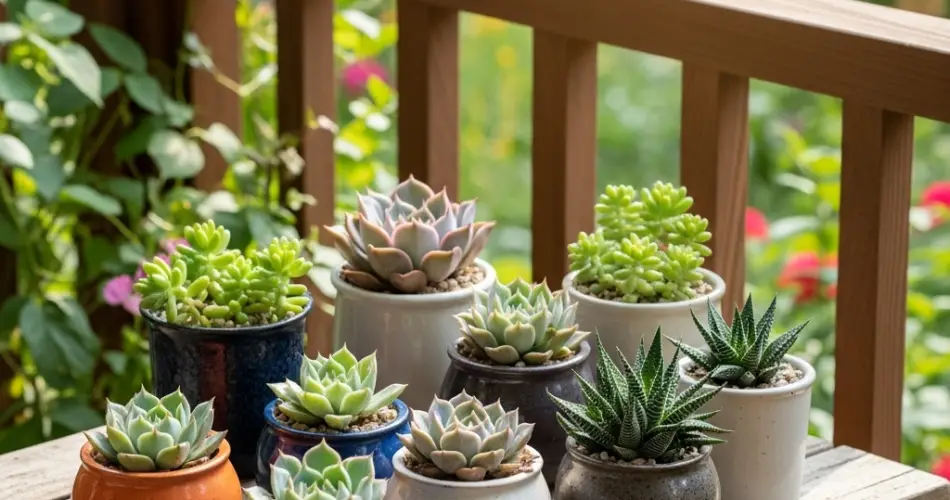
Succulents are among the most versatile, low-maintenance, and visually appealing plants you can grow. With their unique shapes, wide color range, and ability to thrive in tough conditions, succulents are perfect for gardeners who want a stunning outdoor space with minimal effort. Whether you’re starting from scratch or enhancing an existing garden, these hardy plants can bring beauty, texture, and structure to your backyard.
Here’s how to create a succulent paradise in your garden with zero hassle.
1. Understand What Makes Succulents Unique
Succulents are plants that store water in their leaves, stems, or roots. This adaptation allows them to survive in arid conditions and go for extended periods without water. Popular succulent varieties include:
-
Aloe vera – With medicinal properties and sculptural form.
-
Echeveria – Known for its rosette shapes and pastel colors.
-
Sedum – Ideal for ground cover and borders.
-
Agave – A bold architectural plant perfect for statement landscaping.
These plants not only withstand neglect but also reward you with striking appearances all year long.
2. Choose the Right Spot
Succulents love sunlight. In general, they require at least 6 hours of direct sun per day. The ideal location in your garden is one that receives full sun for most of the day, with some afternoon shade in especially hot climates.
If your yard doesn’t get enough sun, consider planting succulents in portable containers you can move to catch the light.
3. Prepare Well-Draining Soil
One of the only ways to kill a succulent is by planting it in soggy soil. Good drainage is essential. For garden beds, amend your soil with sand, pumice, or perlite to improve aeration. You can also use cactus or succulent potting mix for container plantings.
If your backyard has heavy clay soil, consider building raised beds or rock gardens with improved soil structure.
4. Plan a Visually Striking Layout
Succulents come in a wide variety of shapes, sizes, and colors. Take advantage of this by mixing different types to create visual contrast and interest. For example:
-
Combine spiky aloe with low-growing sedum for height variation.
-
Mix purple-toned echeveria with blue agave or golden sedum for color contrast.
-
Group plants with similar water and sunlight needs together.
Add decorative stones or gravel between plants to enhance the overall design and help with drainage.
5. Water Sparingly but Strategically
Once established, succulents need very little watering. Overwatering is the most common mistake new succulent gardeners make. The rule of thumb is:
-
Water deeply, but only when the soil is completely dry.
-
During the hot summer months, water every 7–10 days if needed.
-
In cooler seasons, reduce watering to once every 2–3 weeks or less.
Always water at the base of the plant and avoid getting moisture on the leaves to prevent rot or fungal issues.
6. Use Mulch Wisely
Avoid organic mulches like bark or straw, which retain too much moisture. Instead, use inorganic mulch like crushed granite, pebbles, or decorative gravel. These materials improve the look of your succulent beds, reduce weeds, and prevent soil erosion—all without trapping excess water.
7. Add Containers for Flexibility and Flair
Succulents thrive in pots, making them ideal for patios, balconies, or accent spots in the yard. Use containers of various sizes and heights to add dimension to your garden. Choose terracotta or ceramic pots with drainage holes to help prevent root rot.
Portable containers let you move plants as needed for sun exposure or protect them from extreme weather.
8. Protect From Pests and Weather Extremes
Succulents are generally pest-resistant, but keep an eye out for:
-
Mealybugs and aphids – Treat with neem oil or insecticidal soap.
-
Snails and slugs – These may feed on fleshy leaves. Use barriers or non-toxic traps.
In frost-prone areas, some succulents may need protection in winter. Either move containers indoors or cover garden plants with frost cloth.
9. Propagate with Ease
One of the joys of succulents is how easily they propagate. You can create new plants from leaves, cuttings, or offsets:
-
Gently twist a leaf from the base and let it dry for a few days.
-
Place the calloused leaf on top of dry soil.
-
Mist lightly every few days until roots and baby plants form.
This method lets you expand your garden for free or share plants with friends and neighbors.
Final Thoughts
Transforming your backyard with succulents is not only easy—it’s incredibly rewarding. These resilient plants require minimal attention yet deliver maximum impact. With thoughtful planning, proper soil, occasional watering, and a little creativity, you can build a backyard space that’s low-maintenance, eco-friendly, and beautiful year-round.
Whether you’re aiming for a lush rock garden, a sculptural focal point, or just a few decorative containers, succulents provide an effortless way to elevate your outdoor space.


