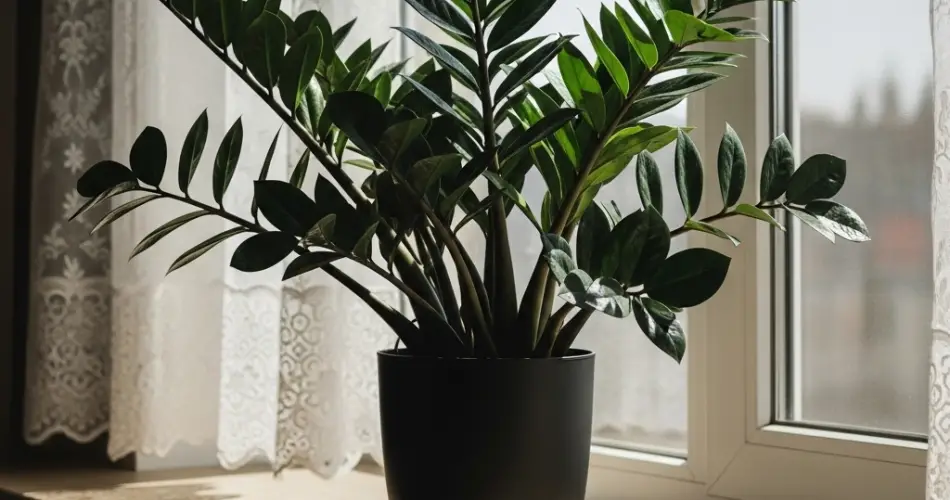
If you’re looking for a low-maintenance houseplant that thrives in nearly any indoor condition, the ZZ plant (Zamioculcas zamiifolia) is an ideal choice. With its glossy, deep green leaves and tolerance for neglect, the ZZ plant is perfect for busy individuals or anyone living in a small apartment.
The best part? You can grow and maintain a healthy ZZ plant right on your sunny windowsill—no gardening experience required. Here’s a practical guide to help you nurture your ZZ plant in a container and enjoy lush greenery with minimal fuss.
What Makes the ZZ Plant So Special?
Native to eastern Africa, the ZZ plant has adapted to survive in dry conditions and low light. It stores water in its thick rhizomes, allowing it to go for long periods without watering. This drought-tolerant nature makes it perfect for indoor life, especially for beginners.
Key benefits of the ZZ plant:
-
Hardy and low maintenance
-
Air-purifying properties
-
Thrives in indirect sunlight
-
Beautiful, shiny foliage
-
Resistant to pests and diseases
Choosing the Right Container
Select a pot with proper drainage holes to prevent root rot. While the ZZ plant doesn’t mind being slightly root-bound, it’s best to choose a container that allows some room for growth.
Opt for:
-
Ceramic or plastic pots with saucers
-
Well-draining containers that won’t retain excess moisture
-
A pot size slightly larger than the root ball
Avoid deep containers that hold water at the bottom.
The Ideal Potting Mix
The ZZ plant thrives in a light, well-draining soil mix. You can use a standard indoor plant potting mix, or make your own by combining:
-
2 parts all-purpose potting soil
-
1 part sand or perlite
-
1 part peat moss or coconut coir
This mix allows excess water to drain quickly while retaining just enough moisture for the plant’s needs.
Best Placement: Bright, Indirect Light
Although the ZZ plant is famous for surviving in low-light areas, it grows faster and produces glossier leaves with access to bright, indirect sunlight—making a sunny windowsill a great spot.
Ideal placement tips:
-
East- or north-facing windows are best
-
Filter direct sunlight with a sheer curtain to prevent leaf burn
-
Rotate the plant every few weeks for even growth
If the only available spot gets strong afternoon sun, make sure to shield the plant from direct rays to prevent scorched leaves.
Watering Guidelines
One of the most common mistakes with ZZ plants is overwatering. Here’s how to get it right:
-
Water thoroughly only when the top 2 inches of soil are dry
-
Check the drainage—empty saucers after watering
-
Reduce watering frequency during cooler months when the plant grows more slowly
A good rule of thumb: Water every 2–3 weeks, depending on temperature and humidity levels. If in doubt, wait—ZZ plants handle drought better than too much moisture.
Fertilizing Your ZZ Plant
ZZ plants don’t require frequent feeding but benefit from occasional nutrition boosts.
Use a balanced, water-soluble houseplant fertilizer at half strength:
-
Once a month during spring and summer
-
Skip fertilizing in fall and winter when growth slows
Overfertilizing can lead to salt buildup in the soil, which may harm the roots—less is more.
Pruning and Maintenance
Minimal pruning is needed, but occasional maintenance helps keep your ZZ plant looking its best:
-
Remove yellow or wilted leaves at the base using clean scissors
-
Wipe dust off the leaves with a damp cloth
-
Trim back leggy stems to encourage fuller growth
Cleaning the leaves not only improves the plant’s appearance but also allows better light absorption.
Common Issues and How to Fix Them
-
Yellowing leaves: Usually caused by overwatering—let soil dry out
-
Drooping stems: Check for root rot or lack of light
-
Brown leaf tips: May result from dry air—mist occasionally or use a humidity tray
-
Pests: Rare, but mealybugs or spider mites may appear in dry conditions—treat with neem oil if needed
ZZ plants are generally very forgiving, so with proper care, problems are rare and easy to correct.
Repotting Tips
Repot every 2–3 years or when roots begin to outgrow the pot. Signs it’s time:
-
Roots coming out of drainage holes
-
Water runs off the surface too quickly
-
Plant appears crowded or stops growing
Choose a pot one size up and refresh the potting mix during repotting to encourage healthy root development.
Final Thoughts
Growing a ZZ plant in a container on your sunny windowsill is one of the easiest ways to bring nature indoors—even if you’re short on time, experience, or space. Its striking appearance, low care requirements, and adaptability make it a favorite for both beginner and seasoned plant lovers.
With the right light, infrequent watering, and a bit of patience, your ZZ plant will reward you with vibrant growth and stress-free greenery all year long.


