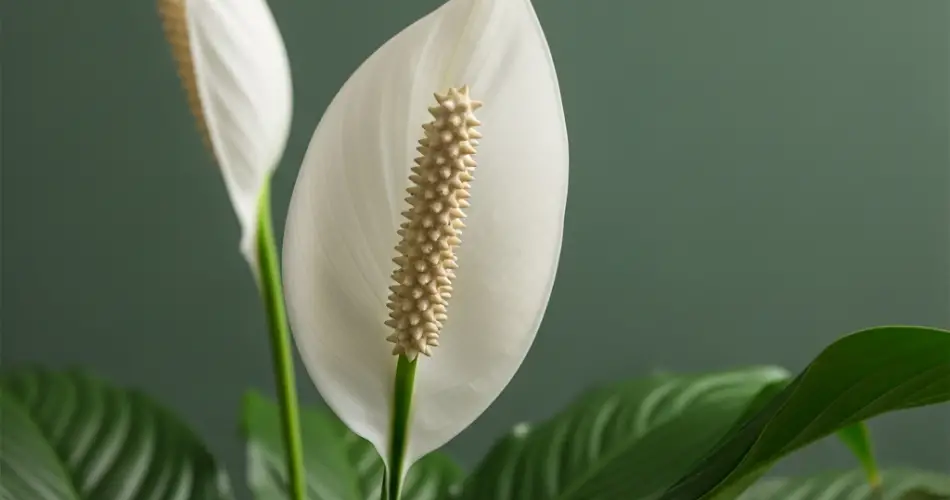
If you’re looking for a houseplant that brings beauty, cleaner air, and low-maintenance charm into your home, the peace lily is a top choice. Even if you live in a small apartment with limited sunlight, this resilient plant can thrive with minimal care and brighten up any corner with its elegant white blooms and lush green leaves.
Peace lilies are popular not only for their looks but also for their ability to tolerate indoor conditions and help purify the air. Whether you’re a beginner or simply don’t have much space, here’s how you can successfully grow and care for a peace lily indoors.
Why Choose a Peace Lily?
Peace lilies (Spathiphyllum spp.) are tropical plants known for their striking white flowers and dark, glossy leaves. They’re perfect for apartment dwellers because they:
-
Tolerate low light
-
Need minimal watering
-
Purify indoor air by removing toxins like formaldehyde and benzene
-
Don’t require a large footprint to grow
Their compact size and forgiving nature make them ideal for small spaces like studio apartments, offices, and bathrooms.
Finding the Right Spot
Peace lilies thrive in indirect, filtered light, making them suitable for areas that don’t receive strong sunlight. Here’s how to choose the right location:
-
Near a north- or east-facing window where light is gentle
-
Away from direct sunlight, which can scorch their leaves
-
Not too close to radiators or air vents, as they prefer stable humidity and temperature
They can also survive in fluorescent lighting, so they’re a great choice for rooms without windows.
Choosing a Container and Soil
Start with a medium-sized container with proper drainage holes. Peace lilies don’t like soggy soil, so drainage is crucial.
Use a lightweight, well-draining potting mix, such as:
-
A mix of peat moss, perlite, and coconut coir
-
Or a commercial houseplant potting soil labeled for indoor plants
Avoid heavy garden soil or anything that retains too much moisture.
Watering the Right Way
Peace lilies are sensitive to both overwatering and underwatering, but they’ll usually tell you what they need. Their leaves droop when thirsty, and perk right back up after watering.
Follow this simple watering routine:
-
Water once a week, or when the top inch of soil feels dry
-
Use room-temperature water
-
Let excess water drain completely—never let the pot sit in a saucer of standing water
If your tap water contains chlorine or fluoride, use filtered or distilled water, or let tap water sit out overnight before using it.
Feeding Your Peace Lily
Peace lilies don’t need a lot of fertilizer, but occasional feeding can promote healthy growth and blooming. Use:
-
A balanced houseplant fertilizer (e.g., 10-10-10 or 20-20-20)
-
Apply at half strength once a month during spring and summer
-
Skip feeding in fall and winter when the plant’s growth naturally slows
Too much fertilizer can cause leaf tips to brown, so err on the side of underfeeding.
Encouraging Blooms
Peace lilies usually bloom in spring and can continue flowering throughout the year with good care. To promote blooms:
-
Ensure the plant receives indirect bright light—too little light can prevent flowering
-
Maintain a consistent watering routine
-
Avoid drafts and sudden temperature changes
If your peace lily hasn’t bloomed in a while, try moving it to a brighter location (without direct sun) and be patient—it often takes time to adjust.
Pruning and Cleaning
Peace lilies are tidy plants, but a little maintenance helps them stay healthy:
-
Trim dead or yellowing leaves at the base using clean scissors
-
Remove spent flowers to encourage new ones
-
Wipe leaves gently with a damp cloth to remove dust and help with photosynthesis
Regular cleaning keeps your peace lily looking its best and allows it to absorb more light.
Common Problems and Solutions
-
Brown leaf tips: Often caused by dry air, over-fertilizing, or poor water quality
-
Drooping leaves: Usually a sign of thirst; water immediately
-
Yellow leaves: May indicate overwatering—let the soil dry out a bit more between watering
Peace lilies are also mildly toxic to pets, so keep them out of reach of cats and dogs that like to chew on leaves.
Final Thoughts
You don’t need a green thumb—or even a garden—to enjoy the calming beauty of a peace lily. These plants are perfect for small apartments and busy lifestyles, thanks to their adaptability, minimal care needs, and graceful blooms.
By placing your peace lily in a well-lit, indirect light spot, watering it correctly, and occasionally feeding it, you’ll enjoy a thriving plant that not only beautifies your home but also contributes to a healthier indoor environment.
Whether you’re furnishing a tiny apartment or just starting your houseplant journey, the peace lily is a simple, elegant choice that delivers lasting results.


