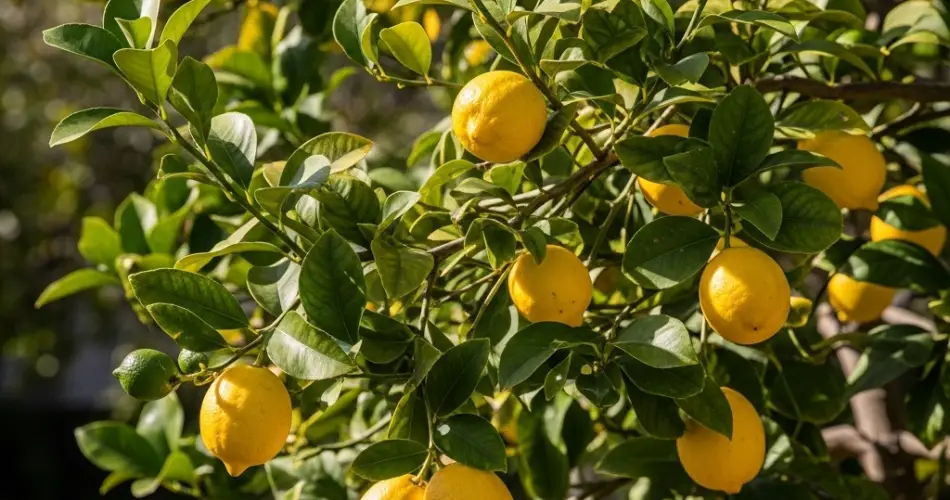
Adding a lemon tree to your garden is one of the most rewarding ways to infuse beauty, fragrance, and flavor into your outdoor space. Known for their glossy green leaves, fragrant white flowers, and zesty fruit, lemon trees can instantly elevate the look of any garden—whether it’s a large backyard or a compact urban patio.
Even if you’re not a professional gardener, with the right care and techniques, you can grow a thriving lemon tree and enjoy homegrown citrus that’s as fresh as it gets. Here’s how to cultivate a lemon tree like a seasoned gardening expert and transform your garden in the process.
Why Lemon Trees Are a Garden Game-Changer
Lemon trees are not only practical but also stunning. They’re evergreen, so they provide year-round foliage. Their blooms are incredibly fragrant, and the bright yellow fruit adds a burst of color to your landscape.
A well-cared-for lemon tree can produce dozens—or even hundreds—of lemons each season, depending on the variety and growing conditions. Plus, they attract pollinators like bees, which can improve the health of your entire garden.
Choosing the Right Lemon Tree Variety
There are several varieties of lemon trees, but a few are particularly well-suited for home gardens:
-
Eureka: A popular choice for consistent fruiting year-round.
-
Lisbon: Very hardy and produces abundant fruit.
-
Meyer: A favorite for container growing and smaller spaces, with sweeter, less acidic fruit.
If you’re in a colder climate, Meyer lemons are especially suitable since they tolerate cooler temperatures and grow well in pots that can be moved indoors during the winter.
Selecting the Perfect Location
Lemon trees thrive in full sun, needing at least 6 to 8 hours of direct sunlight each day. Choose a spot in your garden that’s warm, sheltered from strong winds, and has well-draining soil.
Key conditions for success:
-
Sunlight: South- or west-facing spots are ideal.
-
Protection: Plant near a wall or fence to guard against cold drafts.
-
Drainage: Avoid areas where water collects after rain—lemon roots hate soggy conditions.
Preparing the Soil
Lemon trees prefer slightly acidic soil with good drainage. Before planting:
-
Test your soil’s pH (aim for 5.5 to 6.5).
-
Mix in compost or aged manure to improve nutrients.
-
Add sand or perlite if your soil is heavy clay, to aid drainage.
A raised bed can be a great solution if your native soil isn’t ideal.
Planting Your Lemon Tree
Whether you’re planting in the ground or a large container, follow these steps:
-
Dig a hole twice the width of the root ball and just as deep.
-
Gently loosen the roots and place the tree in the hole.
-
Backfill with soil, pressing lightly to eliminate air pockets.
-
Water deeply after planting and apply a layer of mulch around the base (not touching the trunk) to retain moisture.
If using a pot, ensure it’s large—at least 18–24 inches wide—and has drainage holes. Use a citrus-specific potting mix if available.
Watering and Feeding
Lemon trees like deep, infrequent watering. The goal is to keep the soil evenly moist but never soggy.
-
Water once or twice a week, depending on weather and soil.
-
Check the top inch of soil—if it’s dry, it’s time to water.
-
Feed monthly during spring and summer with a citrus-specific fertilizer rich in nitrogen and micronutrients.
Slow-release granular fertilizers or organic options like compost tea or fish emulsion can also be effective.
Pruning and Maintenance
Regular pruning isn’t essential, but shaping your lemon tree encourages healthy growth and better airflow.
-
Remove any dead or crossing branches.
-
Trim back overly long or leggy shoots to encourage bushier growth.
-
Pinch off suckers that grow below the graft line or from the roots.
Prune lightly after harvest or in late winter before new growth begins.
Pest and Disease Prevention
Lemon trees are relatively hardy but can suffer from:
-
Aphids, scale insects, or spider mites—treat with neem oil or insecticidal soap.
-
Leaf curl or fungal issues—ensure good airflow and avoid overhead watering.
-
Yellowing leaves—may indicate nutrient deficiencies or poor drainage.
Inspect regularly and act quickly to treat problems before they spread.
When to Expect Fruit
Lemon trees grown from young nursery plants usually start fruiting within 2 to 3 years. Meyer lemons may produce sooner. Once mature, expect harvests several times per year, especially if the tree is kept healthy and well-fed.
Final Thoughts
With the right planning and care, a lemon tree can become the star of your garden. From its decorative foliage to its fragrant flowers and delicious fruit, it offers year-round interest and functionality. Whether you’re aiming for an ornamental centerpiece or a reliable source of fresh lemons, nurturing this citrus tree is easier than you might think.
Start small, stay consistent, and in time, your lemon tree will reward you with a vibrant garden transformation and a citrus harvest to be proud of.


