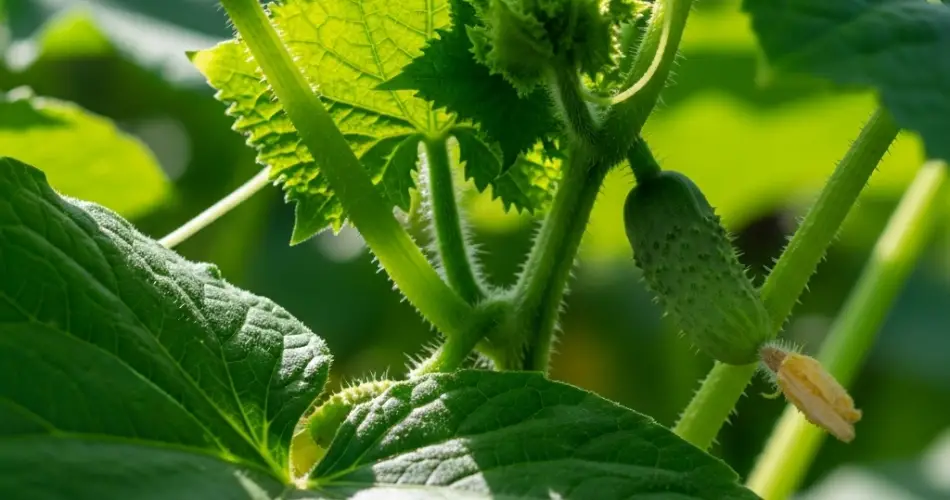
If you’ve ever dreamed of harvesting fresh cucumbers straight from your garden but worried about your lack of experience, you’re not alone. Fortunately, cucumbers are one of the easiest vegetables to grow—even for beginners. With just a few basic steps, you can grow healthy, productive cucumber plants right in your backyard or on a sunny balcony.
Whether you’re starting from seed or using young seedlings, this guide will help you care for cucumbers like a natural green thumb, no matter your experience level.
Why Grow Cucumbers?
Cucumbers are fast-growing, highly productive, and versatile in the kitchen. They can be eaten fresh, pickled, added to salads, or juiced. Better yet, they don’t need a lot of space—many varieties thrive in containers, raised beds, or even hanging baskets.
With the right setup and care, a single plant can produce dozens of crisp, juicy cucumbers during the growing season.
Step 1: Choose the Right Variety
Cucumbers come in different types, so choose a variety that matches your space and intended use:
-
Slicing cucumbers: Best for salads and snacking.
-
Pickling cucumbers: Shorter, bumpier types ideal for making pickles.
-
Bush cucumbers: Great for small spaces or containers.
-
Vining cucumbers: Require vertical support like a trellis but yield more fruit.
For beginners, bush varieties such as ‘Spacemaster’ or ‘Bush Champion’ are ideal, especially if you’re growing in pots or limited space.
Step 2: Prepare the Planting Area
Cucumbers thrive in warm, sunny locations. Choose a spot that receives at least 6–8 hours of direct sunlight daily. If you’re growing them in containers, use pots that are at least 12 inches deep and wide, with proper drainage holes.
Soil should be:
-
Well-draining and loose
-
Rich in organic matter
-
Slightly acidic to neutral pH (around 6.0–7.0)
Mix compost or aged manure into the soil to improve fertility and moisture retention.
Step 3: Planting Cucumbers
You can plant cucumber seeds directly into the soil after the last frost, or start with young seedlings if you prefer a head start.
For seeds:
-
Sow 1–2 seeds per spot, about 1 inch deep.
-
Space bush varieties 1–2 feet apart; vining types need 2–3 feet between plants.
-
Keep the soil consistently moist until the seeds germinate (usually within 5–10 days).
For transplants:
-
Gently remove the seedling from its container.
-
Place it in a hole at the same depth it was growing before.
-
Water immediately after planting.
Step 4: Watering and Feeding
Cucumbers are over 90% water, so proper hydration is crucial. However, they dislike soggy soil.
-
Water deeply 2–3 times per week, depending on heat and rainfall.
-
Keep the soil evenly moist—avoid letting it dry out completely.
-
Water at the base of the plant to prevent leaf diseases.
Fertilize with a balanced vegetable fertilizer or compost tea every 2–3 weeks during the growing season. You can also use an organic slow-release fertilizer when planting to provide nutrients gradually.
Step 5: Support and Mulching
Vining cucumbers grow best with vertical support. Use a trellis, cage, or netting to keep fruits off the ground, save space, and improve airflow—this reduces the risk of disease and makes harvesting easier.
Apply a layer of mulch around your plants to:
-
Retain moisture
-
Suppress weeds
-
Keep soil temperatures stable
Straw, grass clippings, or shredded leaves work well as organic mulch.
Step 6: Monitor for Pests and Problems
Cucumbers are fairly easy to grow but can be affected by a few common issues:
-
Powdery mildew: A white coating on leaves. Improve airflow and avoid overhead watering.
-
Cucumber beetles or aphids: Use insecticidal soap or neem oil if infestations appear.
-
Yellowing leaves: May indicate overwatering or nutrient deficiency.
Check your plants daily. The earlier you spot an issue, the easier it is to fix.
Step 7: Harvesting Your Cucumbers
Cucumbers grow quickly once they start producing. Check your plants every day or two and harvest when the fruits are firm, green, and about 6–8 inches long (depending on the variety).
Tips:
-
Use clean scissors or a knife to cut the stem—don’t twist or pull.
-
Harvest regularly to encourage continuous production.
-
Avoid letting cucumbers grow too large, as they become bitter and reduce overall yield.
Final Thoughts
Caring for cucumbers doesn’t require a gardening degree or fancy tools. With sunlight, rich soil, consistent watering, and a little patience, you can enjoy a bounty of fresh cucumbers—even if you’ve never grown a plant before.
Start small, learn as you go, and before long, you’ll feel like a seasoned gardener every time you slice into a homegrown cucumber. Happy growing!


