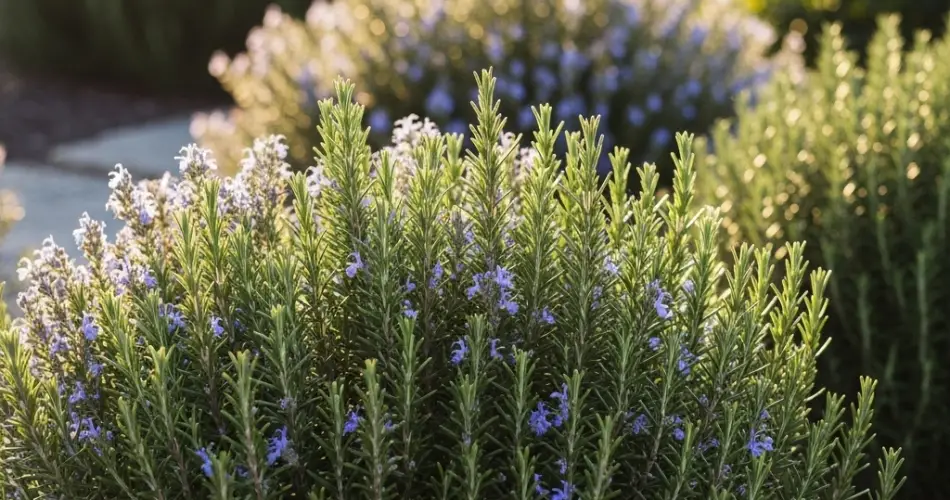
If you’ve ever felt like you just weren’t meant to grow plants—don’t worry. You’re not alone. Many people struggle with gardening at first, especially if they’ve had a few too many plants wilt on them. But there’s hope, and it comes in the form of one incredibly hardy herb: rosemary.
Rosemary is not only delicious and fragrant, but it’s also tough, drought-resistant, and forgiving. Whether you want to start a small balcony herb garden or transform a neglected corner of your backyard, rosemary is the perfect plant for beginners—even for those who’ve managed to kill every plant they’ve tried.
Why Rosemary Is the Ideal “Comeback Plant”
Rosemary (Rosmarinus officinalis) is a Mediterranean herb that’s used to harsh, dry climates and poor soil. This makes it the ideal herb for anyone who tends to forget to water or isn’t sure how to pamper plants.
Here’s why it’s so beginner-friendly:
-
Drought-tolerant: Rosemary can go days without water and still bounce back.
-
Pest-resistant: Its strong aroma naturally deters insects and pests.
-
Hardy in poor soil: It doesn’t need rich, high-maintenance potting mix.
-
Slow-growing and low-maintenance: You won’t need to prune or fuss over it constantly.
All of this makes rosemary a great confidence booster for anyone just getting started in gardening.
Getting Started: Where and How to Grow Rosemary
You can grow rosemary in a pot, in a raised bed, or directly in the ground. It thrives outdoors, but can also be grown indoors on a sunny windowsill. Here’s how to get it started:
1. Choose the Right Location
Rosemary loves sunlight. The more, the better. Aim for a location that gets at least 6–8 hours of direct sunlight per day.
-
Outdoors: Plant it in a sunny garden bed, balcony pot, or even a large container by your doorstep.
-
Indoors: Place it near a south-facing window. If your home doesn’t get much sun, you can supplement with a grow light.
2. Use Well-Draining Soil
The biggest mistake new gardeners make with rosemary is overwatering or planting it in heavy, soggy soil. Rosemary hates wet feet.
-
Use a sandy, well-draining mix. You can buy cactus or succulent soil or mix regular potting soil with sand or perlite.
-
Make sure your pot has drainage holes. If you’re planting in the ground, avoid clay-heavy or waterlogged areas.
3. Water Sparingly
This is the part that surprises many beginner gardeners: rosemary doesn’t want daily watering.
-
Water only when the top inch of soil is dry.
-
In hot summer months, that may be once or twice a week.
-
In cooler months, especially indoors, it could be as little as once every two weeks.
When in doubt, less is more.
Tips to Keep Your Rosemary Thriving
Even though rosemary is tough, there are a few simple tips to help it thrive and grow lush:
– Don’t Over-Fertilize
Too much fertilizer can actually harm rosemary and reduce its flavor. If you do fertilize, use a diluted, organic fertilizer once in spring and again mid-summer.
– Prune Lightly
Pruning helps keep your rosemary bushy rather than leggy. In early spring or late summer, snip off the top few inches of each stem to encourage branching.
Don’t cut into the woody base of the plant—just trim the green stems. You can use the clippings right away in your cooking!
– Bring It Indoors in Cold Climates
If you live somewhere with frosty winters (below 30°F or -1°C), rosemary won’t survive outside. Either grow it in a pot you can bring indoors, or take cuttings in fall to propagate fresh plants over winter.
How Rosemary Can Transform Your Garden
Rosemary isn’t just useful in the kitchen. It adds structure, fragrance, and beauty to your space.
-
In containers: Pair rosemary with other Mediterranean herbs like thyme or oregano for an edible herb garden.
-
As a border plant: Use it to edge a pathway or frame a flower bed.
-
In vertical gardens: Rosemary grows well in wall-mounted pockets or tiered planters.
-
As a fragrant focal point: Its evergreen leaves and blue flowers can add year-round interest to even the smallest gardens.
Plus, its scent acts as a natural insect repellent, keeping mosquitoes and flies at bay.
Final Thoughts
If you’ve struggled with gardening in the past, rosemary is the plant that can turn things around. Hardy, aromatic, and rewarding, it grows where many other plants fail—and asks for very little in return. With just a sunny spot and a light hand with water, you can enjoy a thriving herb that enhances both your garden and your kitchen.
So don’t be discouraged by past plant mishaps. Start fresh with rosemary, and you might just discover a green thumb you never knew you had.


