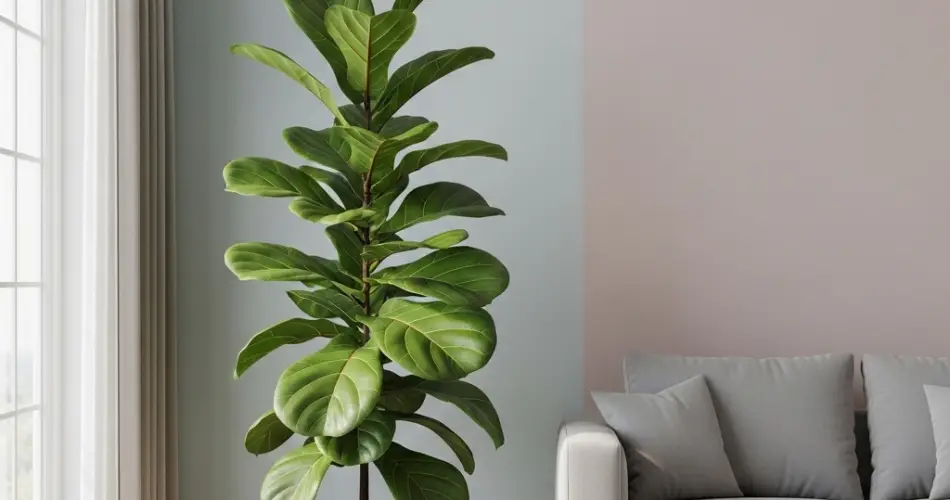
The fiddle leaf fig (Ficus lyrata) has earned its place as a favorite among plant enthusiasts thanks to its bold, violin-shaped leaves and sculptural form. While it’s often grown indoors as a statement houseplant, the fiddle leaf fig can thrive outdoors in the right climate. With proper care and planning, you can cultivate a healthy, low-maintenance fiddle leaf fig tree right in your backyard — without the stress.
Here’s everything you need to know to successfully grow fiddle leaf fig outdoors and enjoy its tropical beauty with minimal effort.
1. Know Your Climate
Before planting a fiddle leaf fig in your backyard, assess your local climate. These tropical plants are native to West Africa and prefer warm, humid environments.
They thrive outdoors in:
-
USDA hardiness zones 9b to 11
-
Regions with temperatures consistently above 15°C (60°F)
-
Areas without harsh winters or frequent frosts
If you live in a cooler zone, you can still enjoy fiddle leaf figs outdoors during warm seasons, then bring them inside during winter.
2. Choose the Right Location
Fiddle leaf figs need plenty of bright, indirect light to develop their signature large leaves and grow into a healthy tree. Outdoors, they prefer:
-
Filtered sunlight or partial shade, especially during the hottest hours of the day
-
A south- or east-facing wall or fence for protection from strong afternoon sun and wind
-
Sheltered spots with minimal draft exposure
Direct, intense sunlight for prolonged periods can scorch the leaves, while too much shade will result in leggy, slow growth.
3. Prepare the Soil
Fiddle leaf figs aren’t overly picky, but they do best in rich, well-draining soil. For backyard planting:
-
Choose a location with loamy or sandy soil enriched with compost or organic matter
-
Avoid compacted or clay-heavy soils that retain too much water
-
Ensure good drainage to prevent root rot
You can amend garden soil by mixing in perlite, bark, or coarse sand to improve aeration and drainage.
4. Planting Steps
Follow these simple steps for hassle-free backyard planting:
-
Dig a hole twice as wide and the same depth as the root ball.
-
Gently remove the plant from its pot and loosen the roots.
-
Place it in the hole so the top of the root ball sits level with the ground.
-
Backfill with soil and water thoroughly to settle it in.
-
Add a layer of mulch to retain moisture and regulate soil temperature.
Leave a few centimeters around the stem mulch-free to prevent rot.
5. Watering the Right Way
Newly planted fiddle leaf figs need regular watering until they establish. After that, they prefer moderate, consistent moisture.
Water when:
-
The top 5–7 cm (2–3 inches) of soil feels dry
-
Leaves begin to droop slightly (an early sign of thirst)
Avoid overwatering, which can lead to root rot. Deep but infrequent watering is better than shallow, frequent watering.
In rainy seasons, monitor soil moisture and reduce watering as needed.
6. Fertilizing for Growth
To keep your outdoor fiddle leaf fig thriving, apply a balanced slow-release fertilizer during the growing season (spring to early fall). Look for a blend with:
-
Nitrogen (N) for leafy growth
-
Phosphorus (P) for root strength
-
Potassium (K) for overall plant health
Fertilize every 6–8 weeks while the plant is actively growing. Skip feeding in winter when growth naturally slows.
7. Pruning and Maintenance
Outdoor fiddle leaf figs can grow quite large — up to 10–15 feet or more. Prune to shape and control height, or to remove damaged or crowded branches.
Use clean, sharp shears and cut just above a leaf node. Pruning encourages branching, which leads to a fuller appearance.
You should also:
-
Wipe leaves occasionally to remove dust
-
Check for pests like scale or spider mites
-
Remove dead leaves to reduce disease risk
8. Protect from Harsh Weather
If you experience occasional cold snaps or high winds:
-
Cover the plant with breathable garden fabric when frost is forecast
-
Wrap the base with burlap or mulch deeply to insulate the roots
-
Stake young trees to prevent wind damage
While mature fiddle leaf figs are more resilient, young ones are sensitive to sudden temperature changes.
9. Pest and Disease Watch
Fiddle leaf figs are relatively hardy but can be affected by:
-
Scale insects
-
Spider mites
-
Fungal leaf spots
Most issues can be managed with neem oil or insecticidal soap. Good airflow and proper watering practices prevent most fungal problems.
Conclusion
Growing a fiddle leaf fig in your backyard is not only possible — it can be surprisingly hassle-free with the right conditions. By selecting a suitable spot, providing well-draining soil, and maintaining a regular care routine, you’ll enjoy lush foliage and a bold tropical accent in your outdoor space. Whether you’re planting one as a feature tree or integrating it into your landscape design, the fiddle leaf fig is a standout addition to any warm-climate garden.


