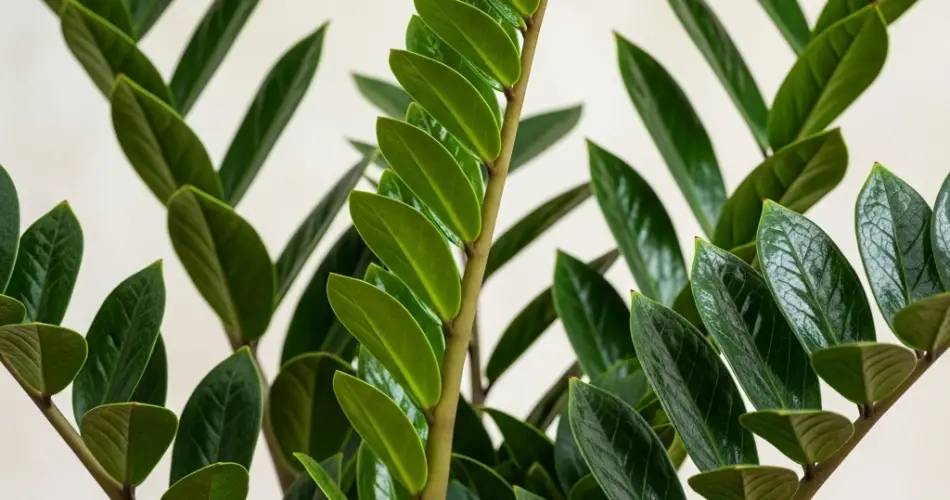
The ZZ plant, short for Zamioculcas zamiifolia, is one of the easiest and most resilient indoor plants. With its glossy, deep green leaves and ability to thrive on neglect, it’s a favorite among beginners and seasoned plant lovers alike. While ZZ plants are typically grown for their attractive foliage rather than flowers or fruits, they can be harvested for propagation — a rewarding way to multiply your collection or share with others.
Learning how to properly harvest your ZZ plant not only helps you propagate it effectively but also ensures that the mother plant stays healthy and vigorous. Here’s how to do it the right way and achieve faster, more successful results.
1. Understand What “Harvesting” Means for ZZ Plants
Unlike herbs or fruiting plants, “harvesting” a ZZ plant doesn’t involve picking leaves or flowers. Instead, it refers to the removal of healthy stems or rhizomes for propagation. These parts are then rooted in water or soil to grow new plants.
Harvesting a ZZ plant is usually done by:
-
Dividing the rhizomes (the thick, potato-like underground structures)
-
Taking stem cuttings and rooting them
-
Separating naturally occurring offshoots
This method allows you to clone your plant and encourages more balanced growth.
2. When Is the Best Time to Harvest?
The best time to harvest a ZZ plant is during spring or early summer, when the plant is actively growing. This is when the plant’s energy is focused on new shoots and roots, giving your propagation efforts the best chance for success.
Avoid harvesting during winter or periods of dormancy, as the plant’s root system and energy levels are slower.
3. Prepare the Plant and Tools
Before harvesting, make sure your ZZ plant is:
-
Mature and healthy
-
Well-watered a few days prior to reduce stress
-
Free from pests or disease
Use clean, sharp tools such as garden shears or a knife to avoid damaging the plant or spreading infection. Always disinfect your tools with rubbing alcohol or boiling water before use.
4. Method 1: Rhizome Division
This is the fastest and most reliable method for propagating ZZ plants.
Steps:
-
Gently remove the plant from its pot.
-
Shake off or wash away excess soil to expose the rhizomes.
-
Look for natural separations where rhizomes and shoots can be divided.
-
Use your fingers or a clean knife to separate them, ensuring each section has at least one healthy stem and some roots.
-
Repot the divided plants in well-draining soil and water lightly.
Within a few weeks, new growth should begin to appear.
5. Method 2: Stem Cuttings in Water
This method takes longer but is fascinating to observe and perfect for plant lovers with patience.
Steps:
-
Cut a healthy stem about 4–6 inches long, just below a leaf node.
-
Remove the bottom leaves to expose the lower nodes.
-
Place the cutting in a glass of clean water, ensuring no leaves are submerged.
-
Change the water every 5–7 days to prevent bacterial growth.
-
After 2–3 months, small rhizomes and roots will form.
Once the roots are at least an inch long, you can transfer the cutting to soil.
6. Method 3: Soil Propagation of Stem Cuttings
You can also root stem cuttings directly in soil.
Steps:
-
Prepare a pot with a well-draining mix (cactus soil or a blend of potting soil, sand, and perlite).
-
Insert the stem cutting into the soil up to the first node.
-
Keep the soil slightly moist but not wet.
-
Cover the pot loosely with a plastic bag to create a mini greenhouse effect.
-
Place it in a warm, bright spot with indirect light.
Roots and rhizomes will develop slowly, typically within 3–4 months.
7. Tips for Faster Results
-
Use a rooting hormone: Dip cut ends in rooting powder to speed up root formation.
-
Provide bottom heat: A heat mat can keep soil temperature stable, promoting faster rooting.
-
Maintain humidity: Propagation thrives in humid environments. Consider using a propagation dome or misting the cuttings.
-
Be patient: ZZ plants are slow growers. Rhizomes can take months to fully form, especially from stem cuttings.
8. Caring for New Plants
Once your new ZZ plants are established:
-
Place them in bright, indirect light.
-
Water sparingly—ZZ plants prefer to dry out between waterings.
-
Avoid overpotting. Start with a small container and repot as the plant grows.
These new plants are just as tough and tolerant as the original and can thrive with minimal care.
Conclusion
Harvesting and propagating your ZZ plant is a simple and rewarding way to grow your indoor jungle. Whether you choose to divide the rhizomes or take stem cuttings, patience and proper technique are key to success. With the right care and environment, your new ZZ plants will root faster and grow stronger, bringing life and greenery into your home with minimal effort.


