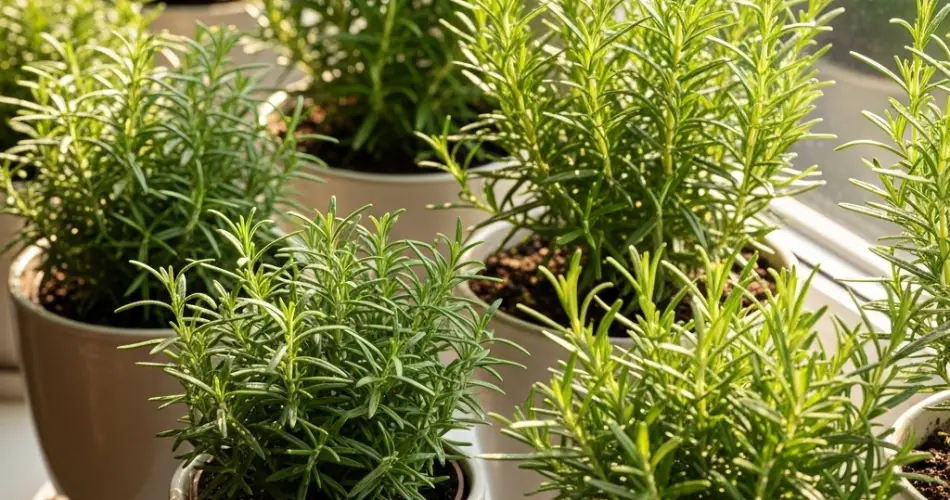
Rosemary (Salvia rosmarinus) is a fragrant, versatile herb that thrives in sunny environments and brings both flavor and beauty to your home. Known for its pine-like aroma and needle-shaped leaves, rosemary is easy to grow in containers, making it an excellent choice for your sunny windowsill. With the right care, it can provide year-round greenery and a steady supply of fresh herbs for cooking, teas, and even home remedies.
If you’re ready to enjoy this Mediterranean classic indoors, here’s a complete guide to cultivating rosemary in containers — hassle-free and rewarding.
1. Choose the Right Rosemary Variety
Several rosemary varieties are available, and while all can grow in containers, some are better suited for indoor cultivation:
-
‘Blue Boy’ – Compact, ideal for small pots
-
‘Tuscan Blue’ – Upright, aromatic, and decorative
-
‘Arp’ – Hardy and resilient, even in cooler climates
Choose a healthy plant from a nursery or start from seed or cuttings if you prefer a hands-on approach. Keep in mind that cuttings tend to root faster and more reliably than seeds.
2. Pick the Right Container
Rosemary doesn’t like “wet feet,” so the container you choose should provide excellent drainage. A terracotta pot is ideal because it’s porous and helps prevent water retention.
Consider the following:
-
Use a pot with drainage holes
-
Opt for a container at least 20–25 cm (8–10 inches) deep
-
Avoid plastic pots that retain moisture unless they have excellent drainage
To further improve drainage, place a layer of small stones or gravel at the bottom of the container before adding soil.
3. Use the Proper Soil Mix
Rosemary thrives in well-draining, slightly sandy soil that mimics its native Mediterranean environment.
Ideal soil mix:
-
Two parts potting soil
-
One part coarse sand or perlite
-
Optional: A handful of compost for light nourishment
Avoid rich or moisture-retentive mixes, which can lead to root rot.
4. Provide Ample Sunlight
Place your rosemary container on a south- or west-facing windowsill that receives at least 6 to 8 hours of direct sunlight daily. Light is one of the most crucial factors for healthy rosemary growth indoors.
If natural light is limited, you can supplement with a grow light. Position it 15–20 cm (6–8 inches) above the plant and leave it on for 12–14 hours per day to mimic natural sunlight.
5. Water Wisely
Rosemary is drought-tolerant and prefers to dry out between waterings. Overwatering is one of the most common causes of failure when growing rosemary indoors.
Follow these watering tips:
-
Water only when the top 3–5 cm (1–2 inches) of soil feels dry
-
Water thoroughly, allowing excess to drain
-
Never let the pot sit in standing water
In winter, reduce watering frequency since the plant’s growth slows.
6. Fertilize Sparingly
Rosemary doesn’t require heavy feeding. Over-fertilizing can actually reduce its flavor and aroma.
For best results:
-
Use a balanced liquid fertilizer diluted to half strength
-
Feed once every 4–6 weeks during the growing season (spring through early fall)
-
Skip fertilizing during the winter months
Organic options like diluted compost tea or seaweed extract also work well for a natural touch.
7. Prune Regularly
Regular pruning keeps rosemary bushy, encourages new growth, and prevents it from becoming woody or leggy.
How to prune:
-
Trim back about one-third of the plant’s height every couple of months
-
Always cut above a leaf node to encourage branching
-
Harvest small sprigs as needed for cooking — this doubles as light pruning
Remove any dead or yellowing stems to keep the plant tidy and healthy.
8. Watch for Pests and Diseases
Indoor rosemary is generally pest-resistant, but occasionally, you might notice:
-
Spider mites
-
Aphids
-
Whiteflies
Combat pests with a gentle spray of water, neem oil, or insecticidal soap. Ensure good air circulation and avoid overwatering to prevent mildew and root rot.
9. Winter Care Tips
If your indoor environment becomes dry in winter due to heating:
-
Mist the leaves occasionally to raise humidity
-
Keep the plant away from cold drafts and radiators
-
Rotate the pot weekly to ensure even growth
Rosemary may slow down in winter, but with proper light and minimal watering, it will remain healthy until spring.
Conclusion
Cultivating rosemary on your sunny windowsill is a simple, satisfying way to keep fresh herbs at your fingertips all year long. With the right container, soil, and sunlight, you’ll enjoy a thriving, aromatic plant that enhances both your kitchen and your living space. Whether you’re a beginner or a seasoned gardener, rosemary is a must-have addition to any indoor herb collection — and with minimal effort, it rewards you with maximum flavor and greenery.


