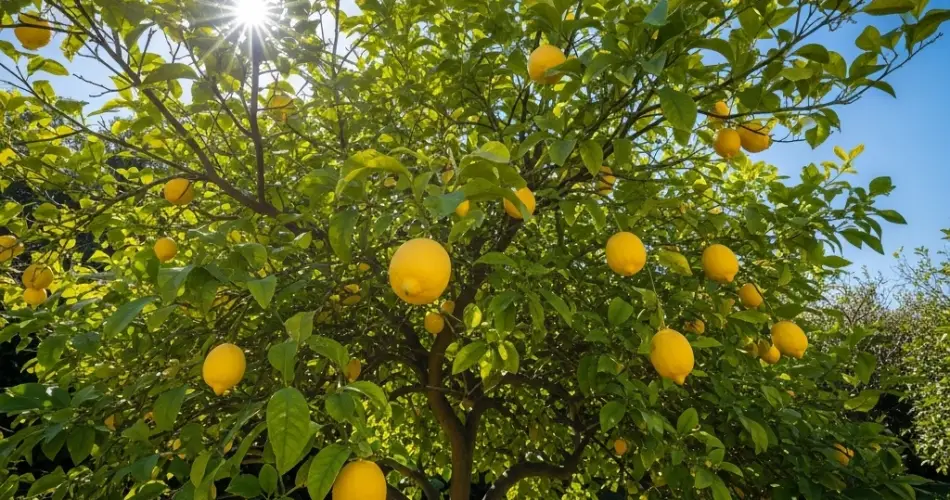
Lemon trees are fragrant, beautiful, and surprisingly forgiving — even for beginners who’ve had little success keeping plants alive. If you’ve struggled with plant care in the past, don’t worry. With a few simple strategies, you can grow a healthy lemon tree at home and even enjoy your own citrus harvest.
Whether you’re planting in a backyard or growing in a pot on your patio or balcony, lemon trees can thrive when given the right care. This guide is designed specifically for people who think they have a “black thumb.” With the following tips, you’ll be on your way to growing a vibrant lemon tree — no special skills required.
1. Pick the Right Variety for Beginners
If you’re just starting out, choose a lemon tree variety that’s known for being beginner-friendly and container-compatible:
-
Meyer lemon – A popular dwarf hybrid that grows well in pots and is more tolerant of colder temperatures and beginner mistakes.
-
Ponderosa lemon – A compact variety with large fruit and high adaptability.
Look for grafted trees from a nursery — these tend to fruit faster and are more reliable than growing from seed.
2. Use the Right Container and Soil
If you’re planting in a container, this is crucial. Lemon trees need room for their roots and well-draining soil.
-
Container: Choose a pot that’s at least 14–16 inches wide, with drainage holes at the bottom.
-
Soil: Use a citrus-specific potting mix or make your own using regular potting soil mixed with sand or perlite for drainage.
Avoid using garden soil in pots — it’s too heavy and can lead to soggy roots.
3. Give It Plenty of Sunlight
Lemon trees are sun lovers. Whether indoors or outdoors, they need at least 6 to 8 hours of direct sunlight every day.
-
Outdoors: Place the tree in the sunniest spot you can find.
-
Indoors: Use a bright south-facing window or supplement with a grow light during darker months.
Insufficient sunlight is a top reason lemon trees fail to thrive indoors.
4. Water Wisely — Not Too Much, Not Too Little
Lemon trees are sensitive to overwatering, which can lead to root rot — a common beginner mistake.
Here’s how to get it right:
-
Water only when the top 2–3 inches (5–7 cm) of soil feel dry.
-
Water deeply, allowing excess to drain out.
-
Never let the pot sit in standing water.
During hot summer months, watering may be needed 1–2 times per week. In winter, reduce watering frequency.
5. Feed It Right
Lemon trees are heavy feeders and need regular nutrients to grow healthy leaves and fruit.
Use a citrus-specific fertilizer rich in nitrogen and micronutrients like magnesium and iron. Look for slow-release options or liquid feeds labeled for citrus.
Feed every:
-
4–6 weeks during the growing season (spring through early fall)
-
Once in late winter if indoors
Avoid over-fertilizing — always follow label instructions.
6. Prune for Shape and Health
Pruning helps lemon trees maintain a compact shape, improves airflow, and encourages fruit production.
What to prune:
-
Suckers from the base of the trunk
-
Dead, broken, or crossing branches
-
Branches that grow inward or crowd the center
Prune lightly in late winter or early spring. If your lemon tree is indoors, trim any overly long or leggy stems to keep it tidy.
7. Watch for Common Problems
Even healthy lemon trees can run into a few issues. Knowing what to look for can save your plant:
-
Yellow leaves: Usually a sign of overwatering or nutrient deficiency.
-
Sticky leaves: A sign of pests like aphids or scale insects.
-
Leaf drop: Common with sudden temperature changes or dry air indoors.
To prevent pest problems, wipe leaves occasionally with a damp cloth and inspect regularly. Use neem oil or insecticidal soap if needed.
8. Winter Care
If you live in a cooler climate, bring your lemon tree indoors before the first frost.
Tips for wintering indoors:
-
Place it near a sunny window
-
Keep away from heaters or drafts
-
Water less often but don’t let it dry out completely
-
Consider a humidifier to avoid dry air that causes leaf drop
Don’t panic if the tree loses a few leaves during the transition — it will bounce back in spring.
Conclusion
Caring for a lemon tree doesn’t have to be difficult — even if you’ve struggled with plants before. By giving it sunlight, proper soil, measured watering, and a little love, you can grow a thriving lemon tree that rewards you with lush foliage, fragrant blossoms, and maybe even fruit. Once you see those first flowers or lemons, you’ll realize it’s easier — and more satisfying — than you ever imagined.