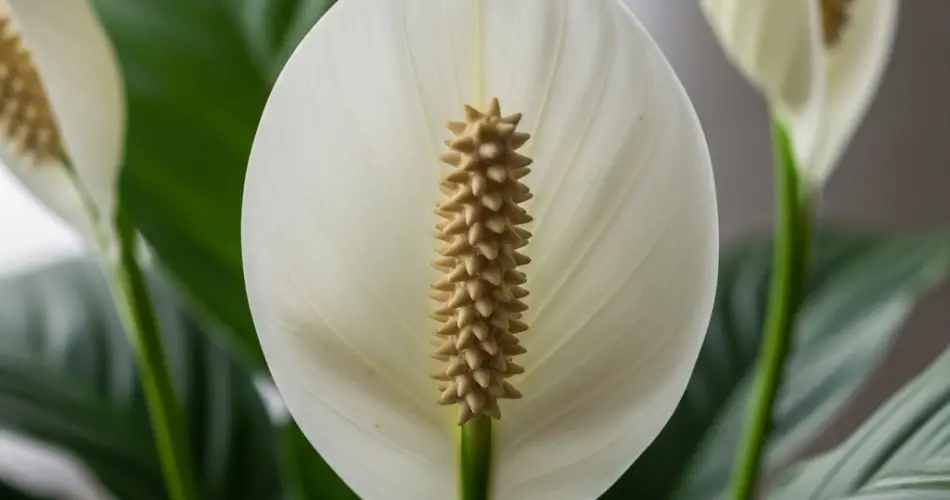
If you’re looking to add elegance and continuous beauty to your garden, the peace lily (Spathiphyllum) is the perfect choice. Known for its striking white blooms and glossy green leaves, the peace lily is not only beautiful but also easy to care for. Traditionally grown indoors, this tropical plant can also thrive outdoors in the right conditions, bringing a peaceful and vibrant charm to any garden space. Here’s how to transform your garden with peace lilies and enjoy their blooms all year long.
Why Choose Peace Lily for Your Garden?
Peace lilies are admired for their graceful, long-lasting blooms and their ability to purify the air. Outdoors, they add lush greenery and bright white flowers that stand out against other foliage. These plants are low-maintenance and thrive with minimal care, making them an excellent choice for both novice and seasoned gardeners. Plus, with the right conditions, they can bloom several times a year, offering a nearly continuous show of beauty.
Choosing the Right Location
Peace lilies are native to tropical rainforests, so they prefer warm, humid environments with filtered light. For best results:
-
Light: Choose a spot that gets bright, indirect sunlight. Avoid direct afternoon sun, as it can scorch the leaves and reduce flowering.
-
Shade-tolerant: They also perform well in partial to full shade, making them ideal for planting under trees or alongside shaded paths.
-
Temperature: These plants thrive in temperatures between 65°F and 85°F (18°C to 29°C). They are not frost-tolerant, so if you live in a colder climate, consider growing them in containers that can be moved indoors during the winter months.
Soil Requirements
Peace lilies prefer rich, well-draining soil that retains some moisture but doesn’t stay soggy. A mix of garden soil, compost, and a bit of sand or perlite will work well. The goal is to maintain a balance—moist, but not waterlogged.
If you’re planting in pots, choose containers with drainage holes and use a high-quality potting mix.
Planting and Spacing
-
Prepare the Soil: Loosen the soil in the planting area and mix in compost or organic matter to improve fertility and drainage.
-
Spacing: Space plants about 18 to 24 inches apart to allow for airflow and growth.
-
Planting: Dig a hole slightly larger than the root ball, place the plant, and backfill with soil. Gently press the soil around the base and water thoroughly.
Watering Tips
Peace lilies love consistent moisture but are sensitive to overwatering. Here’s how to keep the balance:
-
Water regularly: Keep the soil evenly moist, especially during warm months.
-
Check before watering: Let the top inch of soil dry out between waterings.
-
Avoid standing water: Whether in pots or the ground, ensure there is good drainage to prevent root rot.
During hot spells, consider misting the leaves to increase humidity and prevent the foliage from drying out.
Fertilizing for Blooms
To encourage continuous flowering, feed your peace lily with a balanced, water-soluble fertilizer every 6 to 8 weeks during the growing season (spring through early autumn). Avoid over-fertilizing, as it can lead to brown leaf tips or reduced blooming.
Use a gentle fertilizer formulated for flowering houseplants or tropical plants, diluted to half-strength.
Pruning and Maintenance
-
Remove faded flowers: Trim spent blooms at the base to encourage new growth.
-
Clean leaves: Gently wipe dust off leaves with a damp cloth to keep them healthy and photosynthesizing efficiently.
-
Divide mature plants: Every few years, peace lilies can become crowded. You can divide them in early spring to create new plants and promote healthier growth.
Pests and Problems
Peace lilies are relatively pest-resistant but may occasionally attract:
-
Spider mites
-
Mealybugs
-
Aphids
To control these pests, wipe the leaves with a mixture of mild soap and water or use neem oil spray. Avoid harsh chemicals that may harm the plant.
Watch for signs of overwatering, such as yellowing leaves or root rot, and adjust your watering routine accordingly.
Winter Care
In frost-prone areas, peace lilies must be brought indoors or protected from cold weather. If grown in pots, move them to a sheltered location before the first frost. In the ground, you can mulch around the base to protect the roots, but ideally, transplant them into containers for overwintering.
Final Thoughts
Adding peace lilies to your garden can instantly elevate its look with graceful foliage and stunning white blooms. They are among the most forgiving plants, making them a perfect fit for gardeners seeking low-effort beauty. With the right light, soil, and moisture, you can enjoy vibrant blooms throughout most of the year. Whether planted in garden beds or stylish containers, peace lilies bring elegance, tranquility, and color to any outdoor space—all with minimal hassle.


