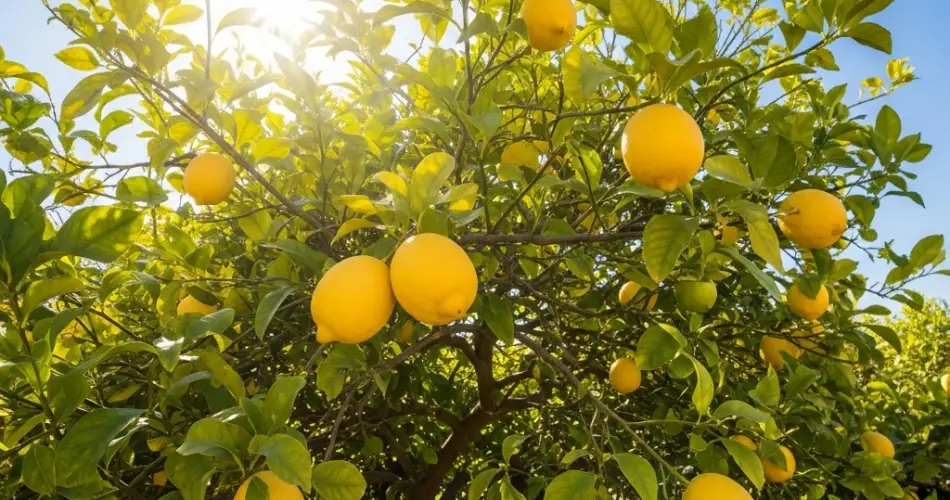
A lemon tree can be one of the most satisfying plants to grow at home. With its glossy leaves, fragrant blossoms, and zesty fruit, it adds beauty, freshness, and utility to any space. Whether you’re growing it indoors in a pot or outdoors in a garden, a lemon tree can thrive year-round and produce vibrant blooms—if you give it the right care.
Here’s a complete guide to help you care for your lemon tree and enjoy healthy growth, consistent blooms, and even fruit throughout the year.
1. Choose the Right Variety for Your Climate and Space
There are several types of lemon trees, and selecting the right one will give you the best chance of year-round blooms.
-
Meyer lemon: A popular indoor variety that is compact, sweeter than regular lemons, and more tolerant of temperature fluctuations.
-
Eureka and Lisbon lemons: More traditional in flavor, ideal for warmer outdoor climates.
-
Dwarf varieties: Best for pots and small spaces.
If you live in a cooler climate, opt for dwarf or semi-dwarf types that can thrive in containers and be brought indoors during winter.
2. Provide Plenty of Sunlight
Lemon trees are sun lovers. To bloom and eventually fruit, they need at least 8–12 hours of direct sunlight each day. Place them in a sunny, south-facing window or, if growing outdoors, in a bright and sheltered location.
If natural light is limited indoors, use full-spectrum grow lights to supplement. A consistent light source encourages year-round flowering and keeps foliage lush and green.
3. Use the Right Pot and Soil
If you’re growing your lemon tree in a container, choose a pot with excellent drainage. It should be slightly larger than the root ball and have holes in the bottom to prevent root rot.
Use a well-draining citrus potting mix, or make your own by combining regular potting soil with sand and perlite. Citrus trees dislike soggy roots, so avoid heavy or moisture-retentive soils.
4. Water Wisely and Consistently
Proper watering is crucial. Lemon trees need consistent moisture, but not overwatering. Let the top inch of soil dry out between waterings. Overwatering can lead to root rot, while underwatering causes stress and flower drop.
In warmer months or if indoors with dry air, you may need to water more frequently. Always adjust your watering routine based on the plant’s environment and size.
5. Feed Regularly with the Right Fertilizer
Lemon trees are heavy feeders. To support healthy growth and blooming, use a balanced citrus fertilizer that includes nitrogen, phosphorus, potassium, magnesium, and trace minerals. Look for fertilizers labeled specifically for citrus or fruit trees.
Feed every 4–6 weeks during the active growing season (spring to fall), and reduce to once every 2–3 months in winter. A lack of nutrients can prevent blooms and reduce the tree’s overall vigor.
6. Prune to Shape and Stimulate Blooms
Pruning your lemon tree helps shape the canopy, remove dead or damaged branches, and encourage airflow. More importantly, it directs the plant’s energy toward new, productive growth.
Prune in early spring before the tree begins its strongest growth cycle. Remove any inward-growing branches or suckers from the base. A well-pruned tree is more likely to produce healthy buds and flowers throughout the year.
7. Encourage Pollination for Fruit and Flowering
If you’re growing a lemon tree indoors or on a balcony where natural pollinators are scarce, you’ll need to hand-pollinate the flowers. Use a soft brush or cotton swab to transfer pollen between blooms.
Pollination not only helps with fruit production but also encourages the tree to continue blooming throughout the season.
8. Maintain Ideal Temperature and Humidity
Lemon trees prefer temperatures between 65°F and 75°F (18°C to 24°C). Avoid sudden changes in temperature, especially cold drafts or heat sources like radiators. If growing indoors, try to keep the humidity around the tree moderate by using a humidifier or placing a tray of water nearby.
Low humidity or dry air can cause bud drop or leaf curling. A stable environment is key to continuous flowering.
9. Watch for Pests and Diseases
Common pests include spider mites, aphids, and scale insects, especially on indoor trees. Check regularly for signs like sticky residue, curling leaves, or visible bugs. Treat infestations early with neem oil or insecticidal soap.
Proper airflow, good pruning, and a healthy root system go a long way in preventing common issues like fungal diseases or sooty mold.
10. Support with Patience and Routine Care
Finally, consistency is everything. Lemon trees take time to adjust to new environments, and they don’t bloom on command. Be patient, provide steady care, and your tree will reward you with fragrant flowers and the promise of juicy lemons.
Monitor its growth, adjust care seasonally, and respond to the plant’s needs — whether that’s more light, a feeding boost, or pruning. Over time, your lemon tree can become a year-round centerpiece in your home.
With the right variety, proper sunlight, consistent watering, and regular feeding, your lemon tree can bloom beautifully all year long — even indoors. Enjoy the scent of citrus blossoms and the satisfaction of growing your own fruit, no matter your space or climate.