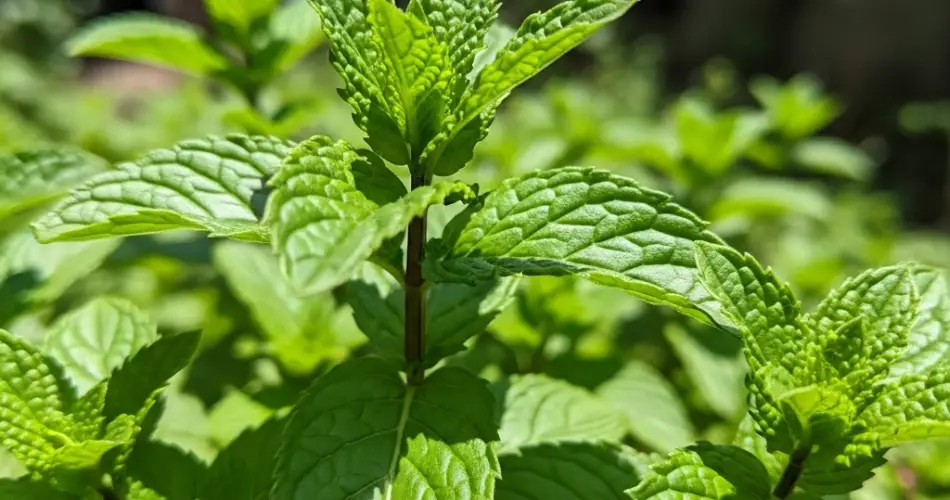
Mint is one of the easiest and most rewarding herbs to grow in a backyard garden. Its refreshing scent, culinary uses, and rapid growth make it a favorite among both beginner and experienced gardeners. Whether you want to brew fresh mint tea, add zest to your dishes, or simply enjoy its aromatic presence, mint is a great choice. Best of all, it requires very little effort to thrive. Here’s how to grow and care for mint in your backyard with zero hassle.
Why Grow Mint?
Mint is a fast-growing perennial herb that thrives in a variety of climates. It’s known for its fragrant leaves and vigorous spreading habit. Once established, it can provide a constant supply of fresh leaves for culinary and medicinal uses. It also attracts pollinators like bees and butterflies, making it a beneficial plant for your backyard ecosystem.
Choosing the Right Mint Variety
There are many types of mint to choose from. The most popular include:
-
Spearmint: Great for teas, salads, and sauces.
-
Peppermint: Known for its strong menthol flavor; ideal for teas and desserts.
-
Chocolate Mint: Has a subtle chocolate aroma—perfect for sweet treats.
-
Apple Mint: Mild and fruity, great for garnishes and refreshing drinks.
Choose a variety based on your intended use and taste preference.
Where to Plant Mint
Mint is extremely adaptable but prefers a location with:
-
Partial shade to full sun: It grows well in both, but partial shade helps prevent the soil from drying out too quickly.
-
Moist, well-draining soil: Mint likes consistently moist soil but doesn’t tolerate waterlogged conditions.
Important note: Mint spreads aggressively through underground runners. To prevent it from overtaking your garden, plant it in a container or sink a bottomless pot into the ground to restrict its roots.
Planting Mint
You can grow mint from seeds, cuttings, or nursery plants. For ease and speed, starting with young plants or cuttings is recommended.
-
Prepare the soil: Loosen it and mix in compost to enrich it.
-
Plant spacing: If planting in the ground, leave about 18–24 inches between plants to allow for growth.
-
Watering: Water thoroughly after planting and keep the soil consistently moist during the first few weeks.
Ongoing Care
Mint is low-maintenance, but a few simple practices will keep it healthy and productive:
1. Watering
Keep the soil moist but not soggy. In hot weather, water more frequently, especially if the plant is in a container. Check the top inch of soil—if it feels dry, it’s time to water.
2. Feeding
Mint generally doesn’t require much fertilization. However, a light feeding of compost or a balanced all-purpose fertilizer in early spring will encourage lush growth.
3. Pruning
Frequent pruning keeps the plant bushy and prevents it from becoming leggy. Trim the tops regularly, especially before flowering, to encourage leaf production. Harvesting the leaves often doubles as pruning.
Harvesting Mint
You can begin harvesting mint once the plant has several sets of leaves. Always pick the top leaves first to encourage bushier growth. To dry mint for later use, hang bunches upside down in a dry, well-ventilated place, or use a food dehydrator.
Controlling Spread
Mint’s fast growth can be a double-edged sword. If not contained, it may take over your garden beds. To manage this:
-
Use containers: Plant mint in pots to limit root spread.
-
Root barriers: Sink a large container or plastic barrier at least 12 inches deep into the ground to create a physical boundary.
-
Regular pruning: Cut back wandering runners or divide the plant yearly to control its size.
Pests and Problems
Mint is generally resistant to pests and diseases but occasionally faces issues like:
-
Aphids or spider mites: Wash them off with water or spray with neem oil.
-
Powdery mildew: Improve air circulation and avoid overhead watering.
-
Rust spots: Remove infected leaves and ensure the plant isn’t too crowded.
Winter Care
In colder regions, mint will die back in winter but re-emerge in spring. You can mulch around the base in late fall to protect the roots from frost. If grown in pots, move them to a sheltered area or indoors during extreme cold.
Final Thoughts
Caring for mint in your backyard is one of the simplest ways to enjoy a steady supply of fresh herbs. Its rapid growth, versatility, and minimal maintenance needs make it ideal for gardeners of all skill levels. With just a little attention, your mint plant will thrive season after season, adding fragrance, flavor, and beauty to your outdoor space—completely hassle-free.


