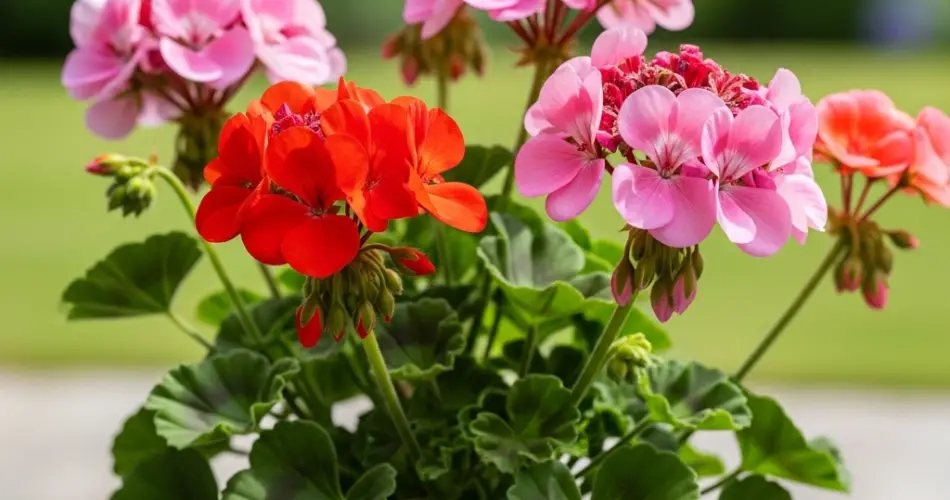
Geraniums are one of the most popular flowering plants for home gardeners — and for good reason. They’re low-maintenance, vibrant, and surprisingly productive, even when grown indoors. Whether you’re a city dweller with limited space or simply want to enhance your windowsill garden, you can still enjoy lush, blooming geraniums that thrive in compact conditions.
Here’s how to maximize your geranium’s bloom yield, even in the smallest apartment.
1. Choose the Right Variety for Indoor Growing
Not all geraniums are created equal. When growing in a confined space, such as an apartment windowsill or balcony, opt for zonal geraniums (Pelargonium x hortorum) or ivy-leaved geraniums (Pelargonium peltatum). Zonal geraniums grow upright and compact, while ivy geraniums cascade beautifully over hanging baskets and railing planters.
Avoid large garden varieties that require deep root systems. Compact or dwarf types are better suited to indoor containers.
2. Pick the Perfect Spot
Geraniums love light. One of the most critical steps to maximizing flowering is ensuring your plant gets enough sunshine — at least 6 hours of direct sunlight per day. South or west-facing windows are ideal. If natural light is limited, consider investing in a small grow light to supplement. Lack of sunlight leads to leggy stems and poor flowering.
Avoid cold, drafty spots, or placing the plant too close to a heater, as temperature swings can stress the plant and reduce bloom potential.
3. Use the Right Pot and Soil
In apartment settings, container gardening is key. Choose pots that are at least 6–8 inches deep, with proper drainage holes. Geranium roots don’t like to sit in water, so good drainage is essential to prevent root rot.
Use a light, well-draining potting mix — ideally one formulated for flowers or indoor plants. You can also improve drainage by mixing in a handful of perlite or coarse sand.
4. Water the Smart Way
Geraniums prefer a “soak and dry” watering routine. Water thoroughly when the top inch of soil feels dry, but don’t let the plant sit in excess water. Overwatering is a common mistake that leads to yellowing leaves and fungal problems.
In apartments with drier air, especially during winter, check the soil regularly. It may dry out faster near radiators or in sunny window spots.
5. Fertilize for Maximum Blooms
To get the most flowers, geraniums need regular feeding. Use a balanced, water-soluble fertilizer (such as 10-10-10 or 20-20-20) every 2–4 weeks during the active growing season (spring through early fall).
If your primary goal is abundant blooms, you can also use a bloom booster fertilizer higher in phosphorus. Just be sure not to over-fertilize, as too much nitrogen can lead to excessive leaf growth at the expense of flowers.
6. Prune and Deadhead Regularly
To encourage more blooms and keep the plant compact, regular pruning and deadheading are essential. Pinch back leggy stems to promote branching. Always remove spent flowers — this redirects the plant’s energy into producing new buds instead of forming seeds.
In small spaces, this pruning also helps control plant size and keeps your indoor area tidy.
7. Repot and Refresh Annually
Even in a small apartment, it’s important to refresh your geranium’s soil once a year. In early spring, before the growing season starts, repot the plant using fresh potting mix. This gives the roots new nutrients and encourages robust flowering.
If the roots are very compacted or circling the pot, consider moving the plant to a slightly larger container.
8. Support Humidity and Air Circulation
Indoor air, especially in apartments, can get quite dry. While geraniums don’t demand tropical conditions, they do appreciate moderate humidity and airflow. Avoid placing them in sealed, stuffy corners.
You can gently circulate air with a small fan, and if humidity is extremely low, place a shallow tray of water near the plant (but not under the pot). This helps keep the leaves healthy and lowers the chance of pest infestations.
9. Watch for Common Pests
Indoor geraniums can occasionally attract pests like spider mites, whiteflies, and aphids. Check leaves regularly, especially the undersides. If you notice signs of infestation (webbing, tiny moving dots, or sticky residue), isolate the plant and treat it with neem oil or insecticidal soap.
Keeping plants well-pruned and spaced helps prevent pest problems from escalating.
10. Overwintering or Year-Round Care
Geraniums are often treated as annuals, but they can live for several years with proper care. In apartments, where frost isn’t a concern, you can grow geraniums year-round indoors. During winter, reduce watering and feeding, and give the plant a rest period in a bright but cooler spot.
If you grow your geraniums on a balcony, be sure to bring them indoors before the first frost and acclimate them gradually to indoor conditions.
With the right care, even a single potted geranium can produce dozens of cheerful blooms throughout the year. Whether placed on a sunny windowsill or hanging from a small balcony, these versatile plants reward attention with continuous color — making them a perfect choice for small-space gardeners seeking maximum impact.


