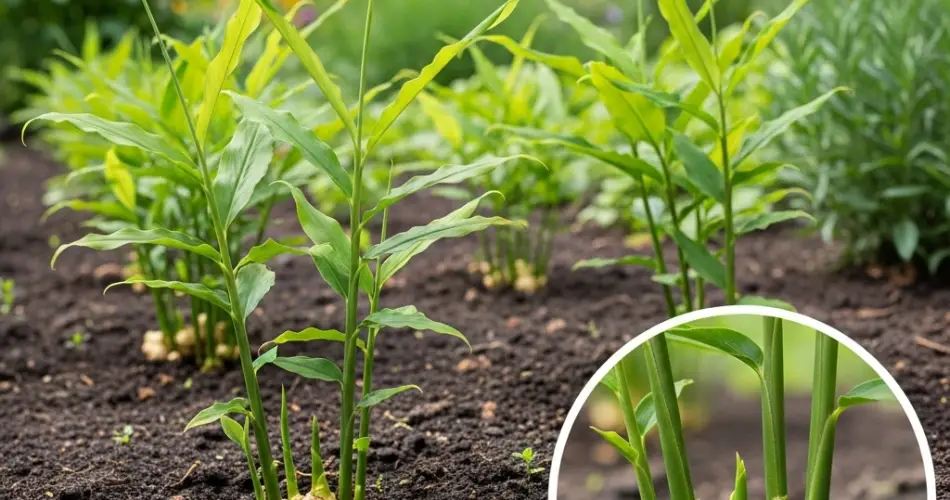
Ginger is a powerful, aromatic root used in kitchens and traditional medicine worldwide. It adds warmth to recipes, aids digestion, and offers anti-inflammatory benefits. But what many people don’t know is that ginger is surprisingly easy to grow right in your backyard—even if you don’t have a green thumb.
If you’ve ever hesitated to grow your own ginger, rest assured: this low-maintenance plant requires very little to thrive and can be grown with minimal tools or gardening experience. With just a ginger root from the grocery store and a bit of attention, you can transform your backyard garden into a productive and tropical-feeling space.
Here’s how to cultivate ginger with zero hassle.
Why Grow Ginger at Home?
Growing ginger at home has several benefits:
-
It’s cost-effective, saving money over store-bought roots.
-
You get a fresh, organic supply whenever needed.
-
Ginger is a decorative plant with lush green foliage.
-
It’s perfect for small spaces—even containers or raised beds.
Even in cooler climates, ginger can be grown during warm months or in pots that can be brought indoors in the winter.
Choosing the Right Ginger
Start with a fresh, plump ginger rhizome from the grocery store or local market. Look for pieces with multiple “eyes” or buds—small, rounded points where shoots will emerge.
If possible, buy organic ginger, as non-organic ones are sometimes treated with growth inhibitors to extend shelf life, which can hinder sprouting.
Preparing the Root for Planting
Before planting, soak the ginger in water overnight. This helps rehydrate the root and wash away any lingering chemicals.
Next, cut the rhizome into smaller pieces, ensuring each section has at least one or two visible buds. Allow the cut surfaces to dry for 24–48 hours to form a protective callus and prevent rotting after planting.
Choosing the Planting Spot
Ginger thrives in warm, humid, and shaded environments. It does not tolerate direct sunlight for long periods. Choose a spot in your backyard that gets filtered sunlight or partial shade—such as under a tree or along a shaded garden wall.
If you’re planting in containers:
-
Choose pots at least 12 inches deep with drainage holes.
-
Use light, loamy, and well-draining soil rich in organic matter.
-
Mix in compost or aged manure for better fertility.
Planting Ginger
Plant your ginger pieces about 1–2 inches deep, with the buds facing upward. Space each piece 6–8 inches apart if growing in the ground.
Water lightly after planting, keeping the soil evenly moist but not soggy. Ginger doesn’t like wet feet, so avoid overwatering.
Care and Maintenance
Ginger is a slow grower and may take a few weeks to sprout. Once shoots emerge, growth will gradually accelerate.
Here’s how to keep your ginger healthy:
-
Water consistently, especially during hot, dry periods.
-
Mulch around the plant to retain moisture and suppress weeds.
-
Avoid waterlogging by ensuring good drainage.
-
Feed monthly with a liquid organic fertilizer or compost tea to support foliage and root development.
The plant will grow tall, lush leaves and may even flower if conditions are ideal, though flowering is not necessary for harvesting the rhizomes.
Pest and Disease Prevention
Ginger is relatively pest-resistant, but a few common issues to watch for include:
-
Fungal root rot (from overwatering or poor drainage)
-
Aphids or spider mites (especially on container plants)
-
Slugs or snails in humid climates
Use neem oil or insecticidal soap to manage insects naturally, and always keep the area around the plant clean and dry to deter fungal diseases.
When and How to Harvest
Ginger takes about 8 to 10 months to reach maturity. However, you can start harvesting “baby ginger” as early as 4 to 5 months after planting.
To harvest:
-
Gently dig around the base of the plant.
-
Cut off a portion of the rhizome, leaving the rest of the plant intact to continue growing.
-
Wash and air dry the harvested piece before using or storing.
For a full harvest, wait until the leaves begin to yellow and die back. Uproot the entire plant and collect the mature rhizomes.
Growing in Cold Climates
If you live in a colder area, don’t worry—ginger can thrive in containers. Simply bring your pots indoors before the first frost and place them in a warm, humid area with bright indirect light.
Even indoors, ginger continues to grow through winter if kept warm and moist. Once spring returns, move the container back outdoors to continue growing.
Final Thoughts
Ginger is one of the easiest and most rewarding plants to grow in a home garden. Its minimal care requirements, versatility, and health benefits make it a fantastic addition to any backyard. Whether in raised beds, containers, or tucked into a shady corner of your garden, this tropical root transforms your space with both beauty and utility.
Start with a single root, follow these simple steps, and enjoy your homegrown ginger for months to come—with virtually zero hassle.


