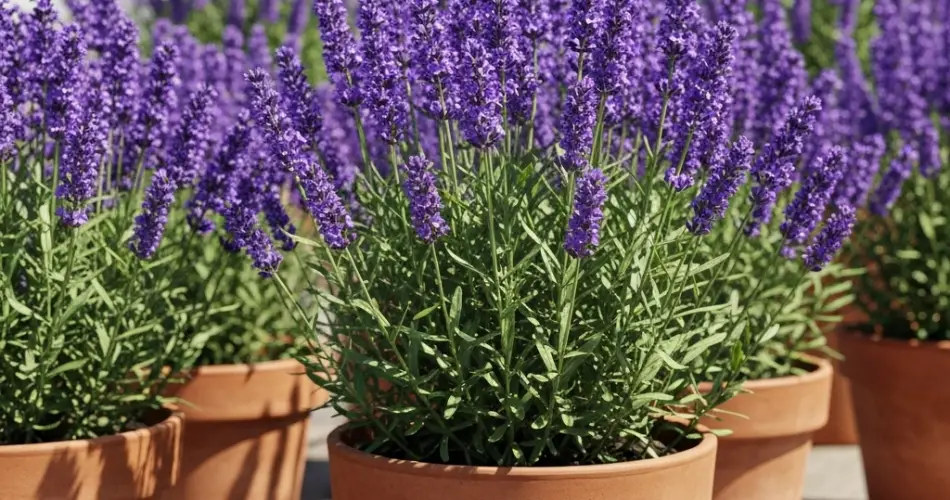
Lavender is loved around the world for its fragrant blooms, calming scent, and beautiful appearance. Whether planted outdoors or in containers, it brings charm and serenity to any space. While most people assume growing lavender requires specialized tools or expensive starter plants, there’s an easier and more sustainable way—using kitchen scraps.
Yes, with a bit of creativity and patience, you can start growing your own lavender from kitchen scraps and everyday materials, even if you’re a beginner. This guide will show you how to grow lavender with surprising ease, using what you already have at home.
Why Lavender Is Worth Growing at Home
Before jumping into the growing method, let’s take a moment to appreciate what makes lavender such a fantastic plant to grow.
-
Fragrance: Its essential oils are famous for promoting relaxation and better sleep.
-
Pollinator-Friendly: Bees and butterflies love it.
-
Versatile Uses: Ideal for cooking, homemade sachets, or natural décor.
-
Low Maintenance: Once established, lavender requires minimal care.
Best of all, it thrives in containers or garden beds, making it suitable for balconies, patios, or sunny windowsills.
Step 1: Gather Lavender Cuttings (a.k.a. Kitchen Scraps)
You don’t need seeds or nursery plants to start growing lavender. If you have access to a fresh lavender bouquet from the store or even trimmings from someone else’s garden, you’re in luck. These stems can be repurposed into new lavender plants through propagation.
What to look for:
-
Choose healthy, non-flowering stems from a lavender sprig.
-
Ideally, stems should be about 4–6 inches long and freshly cut—not dried.
Step 2: Prepare the Cuttings
Before planting, your lavender cuttings need a little prep:
-
Strip the lower leaves from the bottom two-thirds of each stem. This helps prevent rot and allows roots to grow.
-
If desired, dip the cut end into cinnamon powder or aloe vera gel. These natural alternatives to synthetic rooting hormone help reduce bacteria and promote root growth.
Step 3: Choose a Starter Container and Growing Medium
Skip expensive pots for now. You can use items commonly found in your kitchen:
-
Yogurt cups, takeout containers, or eggshells make great starter pots. Just ensure there are drainage holes.
-
Use a light, well-draining mix like coconut coir, perlite, or potting mix—something that doesn’t retain too much moisture.
Avoid regular garden soil, which is too heavy for cuttings and can lead to rot.
Step 4: Root the Cuttings
Now it’s time to encourage your lavender cuttings to develop roots.
Rooting steps:
-
Fill your chosen container with moist, well-draining growing mix.
-
Insert each cutting about 1.5–2 inches deep.
-
Lightly firm the soil around the base.
-
Mist the surface and place the container in a bright, warm area—but out of direct sunlight.
-
Cover loosely with a clear plastic bag or container lid to create a mini greenhouse.
Check every few days to ensure the soil stays lightly moist. Vent the cover briefly to prevent mold buildup.
Step 5: Transplant and Care for New Plants
In about 3–4 weeks, your cuttings should begin forming roots. You’ll know they’re ready when you see new leaf growth and resistance when you gently tug on the stem.
Transplanting instructions:
-
Transfer rooted cuttings into a larger pot (6–8 inches wide) or a sunny garden bed.
-
Use a sandy, well-draining soil and avoid overly rich compost.
-
Water deeply but infrequently—allow the soil to dry out between watering.
Lavender thrives in full sun, so place your pot in the sunniest spot possible, or plant outdoors if you live in a warm, dry climate.
Step 6: Maintain for Long-Term Success
Lavender is low-maintenance once established, but a few key care tips will keep your plants thriving:
-
Sunlight: Needs 6–8 hours of full sun daily.
-
Watering: Water deeply but allow soil to dry in between. Avoid soggy conditions.
-
Pruning: Lightly trim after flowering to maintain shape and encourage bushy growth.
-
Fertilizing: Lavender prefers lean soil. Use minimal fertilizer or none at all.
During winter, bring containers indoors if you live in a cold region. Keep them near a sunny window and reduce watering frequency.
Bonus: Repurpose More Kitchen Scraps
While lavender itself can’t grow from peels or leftovers, the kitchen is full of useful items to enhance your gardening:
-
Used coffee grounds: Add to compost but avoid applying directly to lavender.
-
Crushed eggshells: Sprinkle into soil for a calcium boost.
-
Banana peels: Bury in nearby garden beds as slow-release fertilizer (not ideal for potted lavender).
Final Thoughts
Growing lavender doesn’t require a green thumb or a trip to the nursery. With just a few sprigs, some simple containers, and a little patience, you can cultivate a beautiful lavender plant using items from your own kitchen.
Not only is this method cost-effective and sustainable, but it’s also incredibly satisfying. Whether you’re adding charm to a balcony or fragrance to a windowsill, lavender grown from kitchen scraps is a fragrant and fulfilling way to bring nature into your home.


