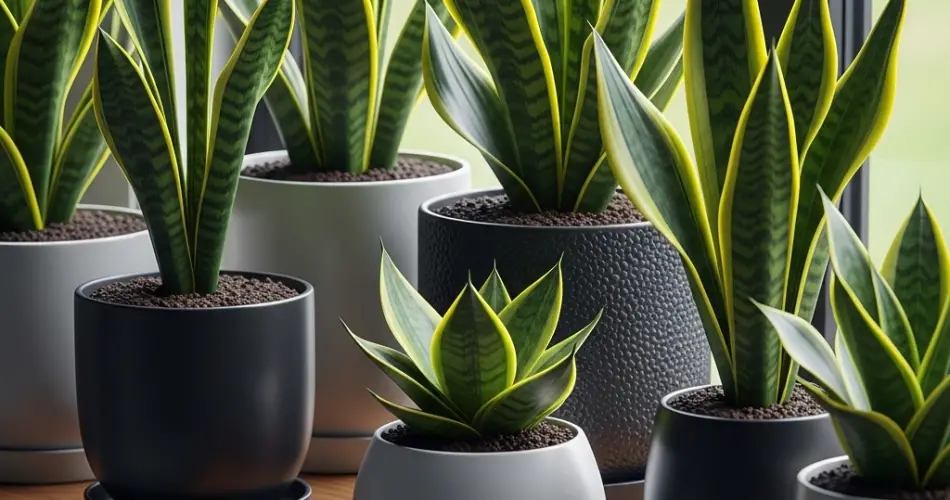
If you’ve struggled to keep even a cactus alive, take heart: the snake plant might just be the perfect houseplant for you. Known for its hardiness, stylish looks, and air-purifying properties, the snake plant (also called Sansevieria or Dracaena trifasciata) is nearly indestructible—and perfect for beginners who swear they have a “black thumb.”
With minimal care, this plant will not only survive but thrive, even under neglect. If you’re ready to start your indoor plant journey without the guilt of killing another green friend, here’s how to grow a snake plant with zero stress.
Why Choose a Snake Plant?
Snake plants are loved by plant beginners and experts alike for many reasons:
-
Tolerates neglect: Can go weeks without watering.
-
Low light friendly: Grows well in low or bright indirect light.
-
Air-purifying: Filters indoor air by removing toxins like formaldehyde and benzene.
-
Stylish appeal: Its upright, sword-like leaves come in striking patterns and shades of green, yellow, or silver.
This plant fits in any room—bedroom, bathroom, living room, or office—and can even thrive in places where other plants fail.
Choosing the Right Snake Plant
There are several snake plant varieties, but here are a few beginner-friendly favorites:
-
Sansevieria trifasciata ‘Laurentii’ – Tall, with yellow edges.
-
Sansevieria cylindrica – Cylindrical, upright leaves.
-
Sansevieria ‘Moonshine’ – Silvery-green leaves with a soft sheen.
-
Sansevieria hahnii – A short, rosette-shaped variety perfect for desks or shelves.
All are equally easy to care for. Pick one that matches your aesthetic and space needs.
Best Growing Conditions
The beauty of snake plants lies in their flexibility. Still, providing the right environment helps them stay healthy and vibrant.
Light
Snake plants tolerate a wide range of light, from low-light corners to bright filtered sunlight. However, they grow best in indirect light. Too much direct sunlight can scorch the leaves, while too little light may slow growth.
Temperature
They thrive in room temperatures between 60°F and 85°F (15°C to 29°C). Avoid exposing them to drafts or temperatures below 50°F (10°C), especially in winter.
Soil
Use a well-draining potting mix, such as cactus or succulent soil. Good drainage is essential to prevent root rot, the most common killer of snake plants.
Watering Tips for the Forgetful
Snake plants prefer to dry out between waterings. In fact, overwatering is the number one way to kill this plant.
Here’s a foolproof watering routine:
-
Water only when the soil is dry to the touch—usually every 2 to 4 weeks.
-
During winter, reduce watering even further.
-
Always empty the saucer under the pot to avoid standing water.
If you’re unsure, it’s safer to underwater than to overwater.
Repotting and Growth
Snake plants are slow growers and typically only need repotting every 2 to 3 years. You’ll know it’s time to repot when:
-
The roots are pushing the plant upward.
-
The pot is bulging or cracking.
-
Growth has noticeably slowed.
Choose a pot that’s 1–2 inches larger in diameter with a drainage hole. Repot in spring or summer when the plant is actively growing.
Fertilizing (Optional)
You don’t need to fertilize often. Feed your snake plant once or twice during the growing season (spring and summer) with a diluted, all-purpose houseplant fertilizer. Skip feeding in fall and winter.
Too much fertilizer can do more harm than good, so when in doubt, skip it.
Common Problems and How to Avoid Them
While snake plants are easy to care for, a few issues can arise:
-
Yellow or mushy leaves: Usually from overwatering. Let the soil dry completely before the next watering.
-
Brown tips: Can be caused by dry air or underwatering. Trim the brown tips with clean scissors.
-
Wrinkled leaves: A sign the plant needs water. Give it a drink and it should perk up in a few days.
-
Soft base or falling over: Root rot—often fatal. Remove affected parts and repot in dry, fresh soil.
Propagation
Snake plants are easy to multiply. Simply cut a healthy leaf into sections and place them upright in water or soil. In a few weeks, they’ll start to root. You can also divide the root ball when repotting to create new plants.
Snake Plant Safety
Snake plants are mildly toxic if ingested. Keep them out of reach of pets and young children who may chew on the leaves. While not deadly, it can cause nausea or vomiting if eaten.
Final Thoughts
The snake plant is the ultimate beginner-friendly houseplant. It forgives forgetfulness, tolerates poor lighting, and demands almost nothing in return—yet rewards you with bold foliage and cleaner air.
If you’ve failed with other houseplants in the past, the snake plant is your best chance at success. It’s not just a plant—it’s a confidence booster that proves anyone can be a plant parent, no matter how little experience they have.
Start with one today, and watch how effortlessly it transforms your space—and your relationship with indoor gardening.


