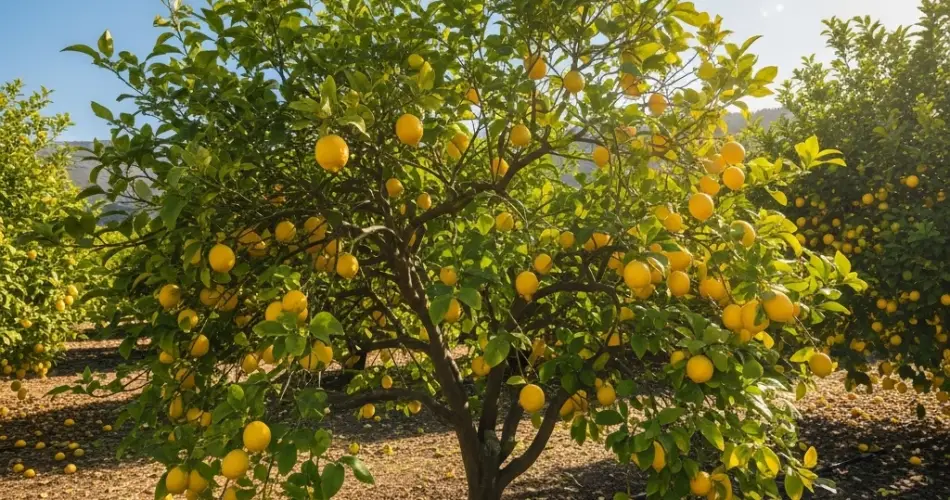
Growing a lemon tree might seem intimidating if you’ve struggled to keep plants alive before. But the good news is, lemon trees are surprisingly resilient and can thrive even if you’re a complete beginner—or someone who feels they have a “black thumb.” With a few simple tips and minimal care, you can enjoy fresh lemons and the bright, uplifting presence of this beautiful fruit tree in your home or garden.
If you’ve been hesitant to start, here’s an easy guide to nurturing a lemon tree from planting to fruiting—even if you’ve “killed” plants before.
Why Grow a Lemon Tree?
Lemon trees are more than just fruit producers—they’re a wonderful way to add color, fragrance, and a touch of the Mediterranean to your space. They provide:
-
Fresh, organic lemons right at your fingertips.
-
Beautiful glossy green leaves and fragrant blossoms.
-
Natural air freshening from their citrus scent.
-
A rewarding gardening experience with visible results.
Plus, lemon trees make fantastic container plants for balconies, patios, or indoors with enough light.
Choosing the Right Lemon Tree Variety
For beginners, it’s best to start with dwarf varieties or trees specifically bred for container growing, such as:
-
‘Improved Meyer’ Lemon — sweeter and less acidic, compact size.
-
‘Ponderosa’ Lemon — hardy with large fruit.
-
‘Lisbon’ Lemon — classic tart lemon, vigorous grower.
Starting with a healthy nursery plant instead of seeds is easier and faster for fruit production.
Selecting the Perfect Spot
Lemon trees love sunlight and warmth. Here’s how to find their ideal home:
-
Light: At least 6–8 hours of direct sunlight daily is best. If indoors, place near a south-facing window or under grow lights.
-
Temperature: They prefer temperatures between 55°F and 85°F (13°C to 29°C). Protect from frost and cold drafts.
-
Air Circulation: Good airflow helps prevent disease and encourages healthy growth.
Soil and Potting
Lemon trees need well-draining soil to avoid waterlogged roots. Use a mix designed for citrus or mix regular potting soil with sand or perlite.
If planting in containers:
-
Choose pots with drainage holes.
-
Ensure the pot size fits the tree’s current root ball with room to grow.
-
Repot every 2–3 years to refresh soil and allow space for roots.
Watering Made Simple
One of the most common mistakes is overwatering. Lemon trees like moist but not soggy soil. To avoid root rot:
-
Water deeply when the top inch of soil feels dry.
-
In warmer months, this might mean watering once or twice a week.
-
Reduce watering during cooler months when growth slows.
Avoid leaving the pot sitting in water.
Feeding Your Lemon Tree
Lemon trees are hungry feeders, especially in growing season (spring through summer). Use a citrus-specific fertilizer or a balanced fertilizer with micronutrients like magnesium, iron, and zinc.
Feed every 4–6 weeks following package directions. Avoid over-fertilizing, which can damage roots and leaves.
Pruning for Health and Shape
Light pruning encourages bushier growth and better airflow:
-
Remove dead, damaged, or crossing branches.
-
Prune in early spring before new growth starts.
-
Keep the shape manageable, especially if growing indoors.
Watch for Pests and Diseases
Lemon trees are generally hardy but can be susceptible to:
-
Aphids and scale insects: Treat with insecticidal soap or neem oil.
-
Spider mites: Increase humidity and spray gently with water.
-
Root rot: Caused by overwatering—improve drainage and adjust watering schedule.
Regularly inspect your tree for signs of trouble and act promptly.
Encouraging Fruit Production
Patience is key—most lemon trees take 1 to 3 years to start fruiting when grown from nursery plants. To promote flowers and fruit:
-
Ensure plenty of sunlight.
-
Keep a consistent watering and feeding schedule.
-
Avoid stress like extreme temperature swings or overwatering.
-
Hand pollinate indoor trees by gently brushing flowers with a small paintbrush.
Nurturing Indoors vs. Outdoors
-
Indoors: Provide bright light and humidity (misting or humidity trays help). Avoid placing near heaters or drafts.
-
Outdoors: Plant in full sun with well-drained soil. Protect young trees from frost with covers or move potted trees indoors in winter.
Troubleshooting Tips for Beginners
-
Leaves turning yellow: Could be overwatering, nutrient deficiency, or poor drainage.
-
Leaf drop: Often due to sudden changes in light or temperature.
-
No flowers or fruit: Could mean the tree is too young, not enough light, or too much nitrogen fertilizer.
By adjusting care and environment, you can correct these issues.
Final Thoughts
Nurturing a lemon tree is a rewarding and surprisingly accessible experience, even for those who feel like they “kill every plant.” By choosing the right variety, providing adequate light, watering wisely, and feeding properly, your lemon tree will grow strong and eventually reward you with fragrant blossoms and delicious fruit.
This vibrant, evergreen tree can bring sunshine to your home year-round, boost your confidence as a gardener, and transform your space into a fresh, citrus-scented paradise.
Start small, be patient, and watch your lemon tree flourish—even if you’ve struggled with plants before.


