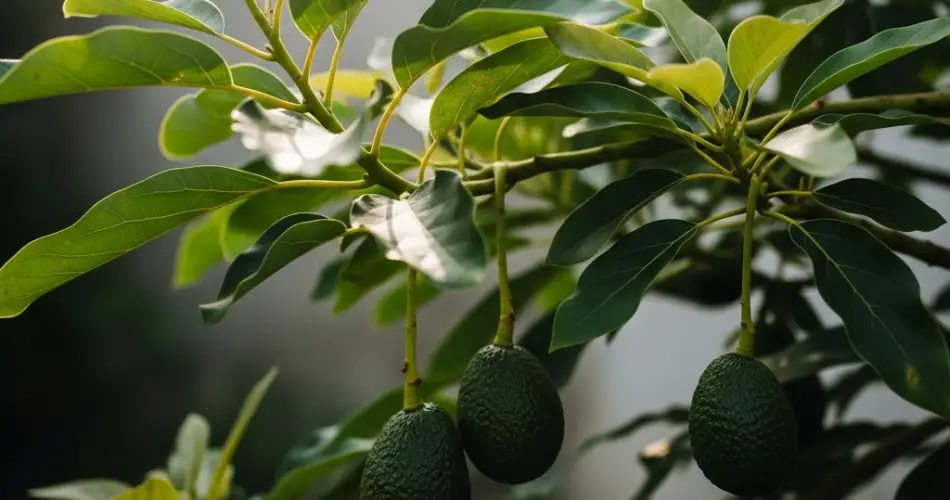
Avocado trees are loved not only for their creamy, nutritious fruit but also for their lush foliage and ornamental appeal. While many people grow avocados in hopes of harvesting fruit, cultivating them for continuous blooming adds beauty and life to your garden or home. With the right techniques, you can encourage your avocado tree to bloom more frequently and stay healthy throughout the year.
Whether you’re growing your avocado tree indoors, in a pot, or outdoors in the garden, here’s how to give it the best care to enjoy vibrant, repeated blooms all year long.
Understanding Avocado Blooming
Avocado trees typically flower in late winter to early spring, producing clusters of small greenish-yellow blossoms. These blooms are essential for fruit production, but even without pollination or fruit, the flowers themselves add a lovely display to the plant.
To encourage year-round blooms, your avocado tree must be healthy, mature, and grown in conditions that mimic its natural tropical or subtropical environment.
Choose the Right Variety
There are three primary types of avocado trees: Hass, Fuerte, and Bacon. While all can bloom beautifully, dwarf or grafted varieties like Wurtz (Little Cado) are better suited for indoor or container growing. These trees are more manageable in size and often bloom earlier than seed-grown trees.
If you’re growing from seed, keep in mind it can take several years—sometimes 5 to 10—for the tree to mature enough to flower.
Light Requirements
Avocado trees need plenty of sunlight to bloom consistently. Place your tree where it receives at least 6–8 hours of direct sunlight per day. If growing indoors, a south-facing window or a space with supplemental grow lights will help maintain healthy growth and flowering cycles.
During winter, ensure the plant is still getting enough light. If needed, use full-spectrum LED grow lights for 10–12 hours daily to simulate daylight.
Soil and Drainage
Well-draining soil is critical. Avocados dislike wet roots and can quickly develop root rot if the soil stays soggy. Use a light, loamy soil or a mix designed for citrus or cactus plants. For containers, make sure the pot has drainage holes.
The ideal pH for avocado trees is slightly acidic to neutral, around 6.0 to 6.5.
Watering and Humidity
Water the tree regularly but avoid overwatering. Allow the top 1–2 inches of soil to dry out between waterings. Stick your finger into the soil to check for moisture before watering again.
Indoor environments, especially during colder months, can be dry. Avocados love humidity, so mist the leaves occasionally or use a humidity tray to maintain moisture around the plant.
Fertilization for Blooming
To encourage blooming, avocado trees need a balanced, nutrient-rich feeding routine. Use a slow-release fertilizer or a liquid feed with nitrogen, phosphorus, potassium, and essential micronutrients like zinc and magnesium.
Apply fertilizer every 4–6 weeks during the growing season (spring through early fall). In cooler months, reduce feeding to once every 8 weeks or stop entirely if the plant enters dormancy.
Over-fertilizing can lead to lush foliage but poor blooming, so always follow package instructions and adjust based on plant response.
Pruning and Maintenance
Pruning helps shape the tree, improves air circulation, and encourages new shoots that can bear flowers. Lightly prune the tree in early spring before new growth begins.
Remove:
-
Dead or diseased branches
-
Crossed or tangled branches
-
Excessively tall stems that block light from the lower canopy
Be careful not to over-prune, as avocado trees flower on new growth. A light trim is better than a drastic cutback.
Encouraging Year-Round Blooms
To extend blooming beyond the usual cycle:
-
Ensure the tree gets consistent light year-round
-
Maintain a steady indoor temperature (ideally between 65–85°F or 18–29°C)
-
Avoid stress from overwatering, underfeeding, or pest infestations
-
Use grow lights to supplement natural daylight during fall and winter
Avocado trees may have alternating bloom-heavy and bloom-light years, but with proper care, some can flower more frequently, especially when kept in stable environments.
Pollination Tips (If You Want Fruit)
If your goal extends beyond blooms to fruit, hand-pollination may be necessary, especially for indoor trees. Avocados have unique flower behavior (they open as female one day and male the next), so you can gently transfer pollen using a small brush or cotton swab between flowers on the same or different trees.
Common Issues to Watch For
-
Leaf browning or curling: Often due to low humidity or over-fertilization.
-
Yellow leaves: Usually a sign of overwatering or poor drainage.
-
No blooms: Could be due to insufficient light, immature age, or excess nitrogen.
Address these issues promptly to keep your tree in peak blooming condition.
Final Thoughts
Nurturing an avocado tree for vibrant blooms all year long is both achievable and rewarding. With the right variety, optimal sunlight, proper watering, and regular feeding, your tree can thrive and produce flowers that bring tropical charm to any setting. Whether you grow it for ornamental value or eventually for fruit, your avocado tree can become a striking and fragrant centerpiece of your home or garden.


