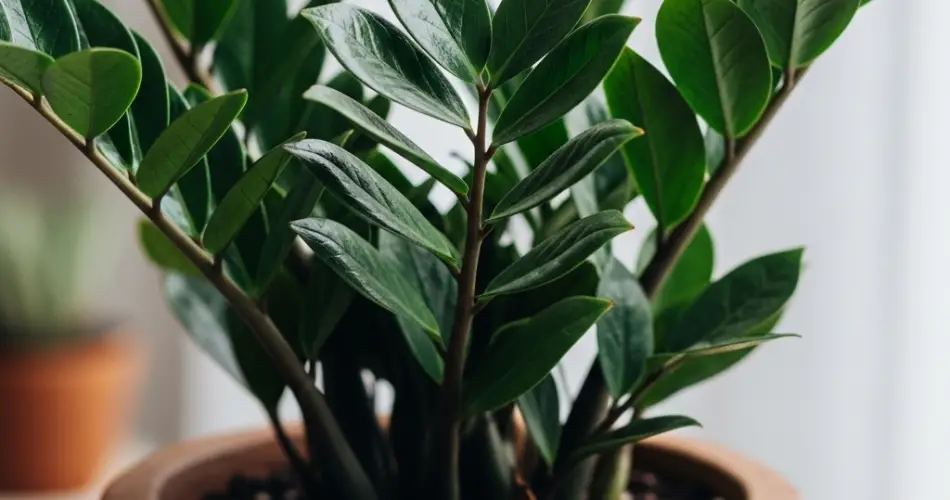
The ZZ plant (Zamioculcas zamiifolia) has become a favorite among indoor plant lovers for its glossy green leaves, architectural form, and nearly indestructible nature. While it’s widely known for its foliage rather than flowers, a well-cared-for ZZ plant can surprise you with subtle, elegant blooms—especially when nurtured under optimal conditions.
Whether you’re a beginner gardener or a seasoned plant enthusiast, this guide will show you how to care for your ZZ plant to maintain healthy growth and even encourage rare, year-round blooming.
What Makes the ZZ Plant Special?
Originating from Eastern Africa, the ZZ plant is naturally adapted to thrive in tough environments. It stores water in its thick rhizomes and can survive long periods of drought, low light, and minimal attention. These qualities make it an ideal houseplant, particularly for those with busy lifestyles or less-than-ideal lighting conditions.
Even though ZZ plants are primarily grown for their striking foliage, they can produce spathe-and-spadix-type flowers similar to those of peace lilies. While blooms are rare and not showy, they are a sign of excellent health and care.
Step 1: Provide the Right Light
ZZ plants are famous for surviving in low-light conditions, but if you’re aiming for vibrant growth and potential blooming, light is key.
-
Ideal lighting: Bright, indirect sunlight.
-
Avoid direct sun: It can scorch the leaves.
-
Low light: Acceptable, but slows growth and decreases the likelihood of blooming.
A spot near an east- or north-facing window is perfect. If natural light is limited, consider using a full-spectrum grow light for 8–10 hours a day.
Step 2: Use Well-Draining Soil and the Right Pot
ZZ plants don’t like wet feet. Proper drainage is essential to avoid root rot, one of the few issues that can harm this hardy plant.
-
Use a well-draining potting mix—a blend for cacti or succulents works well.
-
Choose a pot with drainage holes to prevent water buildup.
-
Consider a terracotta pot to help wick away excess moisture.
Repot your ZZ plant every 2–3 years or when it becomes root-bound, which can restrict growth and reduce blooming potential.
Step 3: Water Carefully and Consistently
ZZ plants prefer to dry out between waterings. Overwatering is the most common mistake.
Watering tips:
-
Wait until the top 2 inches of soil are completely dry.
-
Water thoroughly until excess water drains from the bottom.
-
During winter, reduce watering frequency as the plant goes semi-dormant.
Too much water can cause yellowing leaves and mushy stems. Too little can cause leaf drop, although the plant usually recovers well.
Step 4: Fertilize for Steady Growth
While ZZ plants are slow growers, feeding them properly can encourage new leaves and support the rare chance of blooming.
-
Use a balanced liquid fertilizer (like 10-10-10 or 20-20-20) once a month during the growing season (spring and summer).
-
Skip fertilizing in winter when the plant is resting.
-
Avoid overfeeding, which can lead to salt buildup and damage the roots.
For those aiming for more organic care, worm compost tea or diluted fish emulsion can also work as gentle, plant-friendly options.
Step 5: Prune and Clean for Health
Regular maintenance keeps your ZZ plant looking its best and allows light and air to reach all parts of the plant.
-
Trim off yellow, damaged, or dead leaves using clean, sharp scissors.
-
Wipe leaves gently with a damp cloth to remove dust, helping the plant photosynthesize more efficiently.
-
Rotate the pot every few weeks to ensure even growth on all sides.
Pruning doesn’t encourage blooms directly, but it keeps the plant in optimal condition.
Step 6: Understand ZZ Plant Flowering
Unlike flowering houseplants like orchids or hibiscus, ZZ plant blooms are rare and subtle.
-
The flowers grow near the base of the plant and resemble a small, greenish-white spathe surrounding a spadix.
-
Blooming typically occurs when the plant is mature, healthy, and receiving just the right balance of light, water, and nutrients.
-
Stress-free conditions and patience are essential.
Don’t be discouraged if your ZZ plant doesn’t bloom—its lush, sculptural foliage is reward enough for most plant lovers.
Step 7: Maintain Ideal Conditions Year-Round
To maximize health and growth potential:
-
Temperature: Keep between 65–80°F (18–27°C).
-
Humidity: Tolerates dry air, but occasional misting can help in very dry environments.
-
Pest management: ZZ plants are rarely affected by pests, but check occasionally for signs of mealybugs or spider mites. Treat with insecticidal soap if necessary.
Final Thoughts
The ZZ plant may be low-maintenance, but with the right care, it can become a show-stopping centerpiece in your home. By focusing on proper lighting, minimal but consistent watering, and occasional feeding, you create the ideal environment for lush, healthy growth—and maybe even the rare appearance of blooms.
Even in the absence of flowers, the ZZ plant offers year-round beauty, resilience, and a touch of green elegance to any indoor space. Whether you’re a novice or a seasoned plant parent, nurturing a ZZ plant is a gratifying and low-effort way to bring life into your home.


