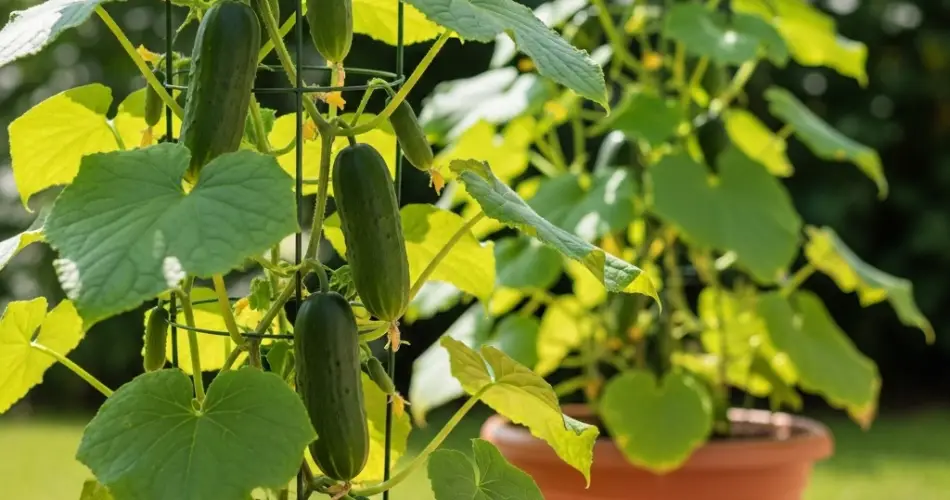
Cucumbers are crisp, refreshing, and surprisingly easy to grow—even if you live in a small apartment with limited outdoor space. With the right setup, you can successfully cultivate cucumbers on a balcony, windowsill, or even indoors. You don’t need a backyard or a large garden to enjoy homegrown vegetables; with just a few containers, sunlight, and a little care, you can harvest your own fresh cucumbers no matter where you live.
Here’s a step-by-step guide to growing cucumbers in small spaces, from seed to harvest.
Why Cucumbers Are Ideal for Small Spaces
Cucumbers are fast-growing, productive plants that adapt well to container gardening. Many compact or bush varieties are specifically bred for small spaces, making them perfect for apartment dwellers.
Benefits of growing cucumbers in small spaces:
-
Fresh, pesticide-free produce at your fingertips
-
Decorative green vines that brighten up balconies and windows
-
Encourages healthy eating and self-sufficiency
-
A great option for beginner gardeners
Step 1: Choose the Right Cucumber Variety
When space is limited, it’s important to pick a cucumber variety that thrives in containers and has a compact or climbing habit.
Recommended varieties for apartments:
-
Bush Champion – Ideal for containers, stays compact
-
Patio Snacker – Specially bred for small pots and indoor growth
-
Spacemaster – Great for balconies and window boxes
-
Salad Bush – Produces full-sized cucumbers on small plants
These types are not only space-saving but also productive, giving you multiple cucumbers over the growing season.
Step 2: Pick the Right Container
Cucumbers need room for their roots, so avoid small pots. Instead, opt for:
-
A container at least 12 inches deep and wide
-
Good drainage holes to prevent waterlogging
-
Materials like plastic, terracotta, or fabric grow bags
Self-watering containers are ideal, especially indoors, as they help maintain consistent moisture levels.
Step 3: Use Quality Soil and Location
Fill your container with a well-draining potting mix rich in organic matter. Avoid using garden soil, which can be too dense for containers and may harbor pests or diseases.
Placement tips:
-
Put your container in a spot that gets 6 to 8 hours of sunlight daily.
-
A south-facing balcony or windowsill is ideal.
-
If growing indoors, consider using grow lights to supplement natural sunlight.
Step 4: Start from Seeds or Transplants
Cucumbers grow easily from seed, and you can sow them directly into your container.
To plant from seed:
-
Sow 2–3 seeds per container, about 1 inch deep.
-
Keep the soil moist but not soggy.
-
Once the seedlings emerge, thin them to keep the strongest one or two.
Alternatively, you can buy cucumber seedlings from a garden center and transplant them into your container.
Step 5: Provide Support for Climbing
Even in tight spaces, vertical gardening is your best friend. Cucumber vines grow vigorously and benefit from support.
-
Use a trellis, bamboo stake, or vertical netting.
-
Position it so the plant grows upward instead of sprawling outward.
-
This saves space, increases air circulation, and keeps the cucumbers off the soil, reducing rot and pests.
Step 6: Water and Feed Properly
Cucumbers are thirsty plants, especially when grown in containers. They need consistent moisture for optimal fruit development.
Watering tips:
-
Water deeply whenever the top inch of soil feels dry.
-
Avoid getting water on the leaves to prevent mildew.
Feeding tips:
-
Use a balanced liquid fertilizer every 2–3 weeks once the plant starts flowering.
-
Consider using organic compost or worm tea to boost nutrients naturally.
Step 7: Pollinate for More Fruit (Especially Indoors)
If you’re growing cucumbers indoors or in an enclosed space, pollination may not happen naturally. You can hand-pollinate the flowers using a soft paintbrush or cotton swab.
-
Identify the male flower (thin stem, no small fruit behind it) and gently gather pollen from its center.
-
Transfer the pollen to the center of a female flower (which has a tiny fruit beneath the petals).
This helps ensure a higher yield, especially when bees or wind can’t do the job.
Step 8: Harvest Regularly
Once cucumbers start growing, check daily. Harvest them when they reach the appropriate size for their variety—usually 6–8 inches for slicing cucumbers, or smaller for pickling types.
-
Use scissors or a sharp knife to cut the cucumber from the vine.
-
Don’t pull or twist the fruit—it may damage the plant.
Regular harvesting encourages the plant to produce more fruit.
Final Tips for Success
-
Rotate pots occasionally so all sides get sunlight.
-
Mulch the top of the soil with straw or pebbles to retain moisture.
-
Watch for pests like aphids and spider mites; spray with soapy water if needed.
-
Prune old or yellow leaves to encourage airflow and reduce disease risk.
Conclusion
Growing cucumbers in a small apartment may seem ambitious, but with the right variety, container, and care, it’s entirely achievable—even for beginners. With a sunny spot, a bit of vertical support, and a routine of watering and feeding, you’ll soon be enjoying crisp, homegrown cucumbers right from your own mini urban garden.
Whether you live in a high-rise or a cozy studio, cultivating your own cucumbers can bring freshness, flavor, and a sense of nature into your living space.


