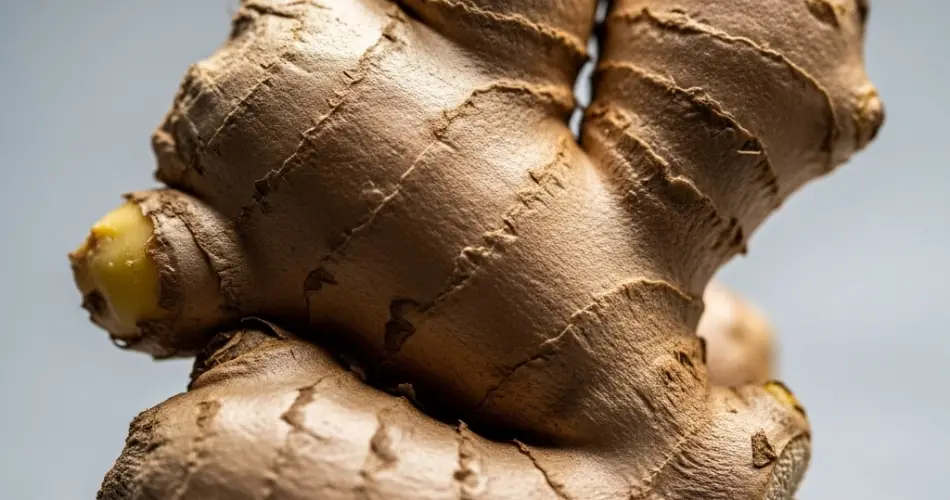
If you’ve struggled to keep houseplants alive or watched your garden projects wither before they began, you’re not alone. Many first-time gardeners give up too early, thinking they just don’t have a green thumb. But what if you could turn that around with one plant? Ginger (Zingiber officinale) is surprisingly easy to grow, and even notorious plant killers can have success with it.
Whether you live in a house with a garden or a small apartment with a sunny balcony, ginger can transform your growing space. Its lush, tropical foliage adds beauty, and the fresh, aromatic rhizomes you harvest can be used in cooking, tea, or health remedies. Best of all, it’s forgiving, resilient, and perfect for gardening novices.
Why Ginger Is the Perfect Beginner Plant
Ginger isn’t fussy. It doesn’t require constant attention, specialized soil, or precise lighting. All it needs is a bit of warmth, indirect light, and a little patience. Here’s why it’s great for beginners:
-
Easy to grow in containers or garden beds
-
Low maintenance and disease-resistant
-
Grows well in partial shade
-
Gives you edible harvests
-
Looks great with its lush, upright green leaves
It’s a great confidence booster for anyone who’s ever struggled with herbs or vegetables.
What You’ll Need to Get Started
You don’t need anything fancy to grow ginger. Here’s a basic list:
-
A fresh ginger root (rhizome) with visible “eyes” or growth buds
-
A large container with drainage holes (or a spot in the garden)
-
Nutrient-rich, well-draining soil (loamy with compost works well)
-
Access to indirect light or dappled sun
-
Watering can or spray bottle
You can use store-bought ginger, but try to get organic, as non-organic rhizomes are often treated with growth inhibitors.
How to Plant Ginger Step-by-Step
-
Prepare the Rhizome: Soak the ginger root in warm water overnight to wake it up and encourage sprouting. If it’s large, cut it into chunks, ensuring each piece has at least one visible bud or eye.
-
Choose the Right Container: Use a wide, shallow pot since ginger grows horizontally. It doesn’t need a deep container—just one that allows its rhizomes to spread.
-
Plant It Properly: Fill the pot with moist, well-draining soil. Place each ginger piece horizontally, about 1 inch deep with the buds facing upward. Cover lightly with soil.
-
Water Gently: Moisten the soil without soaking it. Keep it lightly moist during germination, which can take 2–3 weeks.
Ideal Growing Conditions
Ginger thrives in warm, humid environments and doesn’t like full sun. Aim for:
-
Indirect or dappled sunlight
-
Temperatures between 70–90°F (21–32°C)
-
Moist, well-drained soil
If you live in a cooler climate, grow ginger indoors or on a sunny windowsill during the colder months, then move it outside in spring or summer.
Caring for Your Ginger Plant
Once the shoots start to appear, caring for ginger is incredibly simple:
-
Water: Keep the soil consistently moist but never soggy. Allow the top inch of soil to dry between waterings.
-
Fertilize: Use a balanced liquid fertilizer once a month during the growing season (spring and summer).
-
Mulch (optional): A layer of straw or compost on top of the soil can help retain moisture and regulate temperature.
Ginger is generally pest-resistant but watch for aphids or fungal spots. If problems arise, a quick rinse with soapy water usually solves them.
When and How to Harvest
Ginger is slow-growing but rewarding. You can begin harvesting baby ginger after about 4–5 months, though mature rhizomes are best after 8–10 months.
Harvesting steps:
-
Gently dig up the soil to find the rhizomes.
-
Break off a portion for use, then replant the rest.
-
Rinse and dry your harvest; use fresh or store in a cool, dry place.
You can keep the cycle going by dividing and replanting rhizomes after each harvest.
Container Growing Tips
If you don’t have garden space, ginger grows well in containers. Choose a container at least 12 inches deep and wide, with good drainage. Place it near a bright window or balcony where it gets indirect light.
Rotate the pot every couple of weeks to ensure even growth. Indoors, you may want to mist the plant occasionally if the air is very dry.
Common Mistakes to Avoid
-
Overwatering: Too much water can cause root rot. Always allow soil to partially dry before watering again.
-
Too much sun: Ginger prefers filtered light. Avoid direct midday sun, which can scorch the leaves.
-
Impatience: Ginger takes time to grow. Be patient and resist the urge to dig it up too early.
Final Thoughts
If you’ve failed at gardening before, don’t let that stop you from trying again. Ginger is one of the most beginner-friendly plants you can grow, and its tropical look and edible rewards make it a perfect choice for transforming your garden, patio, or windowsill into something lush and productive.
With minimal effort, you can go from killing every plant to harvesting your very own homegrown ginger. All it takes is the right start—and this time, you’ve got it.


