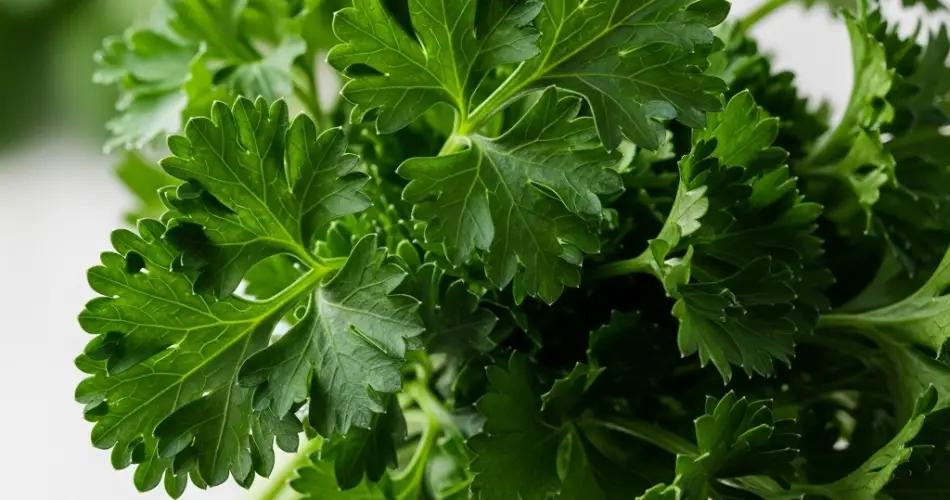
Parsley is more than just a garnish—it’s a powerhouse herb packed with flavor, nutrients, and versatility. Whether you’re adding it to sauces, soups, or salads, fresh homegrown parsley always elevates your cooking. The good news? You don’t need a green thumb to grow parsley from seed. With the right care and timing, you can grow lush, vibrant parsley faster than you ever thought possible.
This guide walks you through how to successfully grow parsley from seed to harvest, even if you’re a complete beginner.
Why Grow Parsley from Seed?
Starting parsley from seed may take a little more patience than buying young plants, but it comes with several benefits:
-
Greater control: You choose the variety and grow it organically from the start.
-
Cost-effective: A single seed packet yields dozens of plants.
-
Healthier roots: Seed-grown herbs often adapt better to your environment.
-
Satisfying: Watching your parsley sprout and flourish is truly rewarding.
What You’ll Need
To get started, gather a few simple materials:
-
Parsley seeds (flat-leaf or curly, depending on preference)
-
Seed starting tray or small pots
-
Seed-starting mix or light potting soil
-
Spray bottle or watering can with a fine spout
-
Sunny windowsill or grow light
-
Shallow container (for pre-soaking seeds)
Step 1: Soak the Seeds
Parsley seeds have a tough outer shell and can be slow to germinate. To speed things up:
-
Soak the seeds in warm water for 12–24 hours before planting.
-
This softens the coating and encourages quicker germination.
After soaking, drain the seeds and let them dry slightly on a paper towel before planting.
Step 2: Sow the Seeds
Fill your pots or seed tray with seed-starting mix. Sprinkle the seeds on the surface and lightly press them into the soil. Cover with a thin layer of soil—no more than ¼ inch deep.
Gently mist the surface with water to moisten the soil. Avoid overwatering at this stage.
Step 3: Create the Right Environment
Parsley seeds need warmth and moisture to germinate. Ideal conditions:
-
Soil temperature: 68–75°F (20–24°C)
-
Indirect light or grow light for 12–14 hours a day
-
Consistent moisture (mist or water gently to avoid washing out seeds)
To retain humidity, you can loosely cover the pots with plastic wrap or a humidity dome. Remove the cover once the seedlings sprout.
Step 4: Be Patient—Then Take Action
Parsley seeds can take 2–3 weeks to germinate, so don’t worry if you don’t see sprouts right away.
Once they do appear:
-
Remove the cover to allow airflow.
-
Keep the soil moist but not soggy.
-
Rotate the containers daily if using a windowsill to encourage even growth.
Step 5: Thin the Seedlings
When seedlings develop their first set of true leaves, thin them out:
-
Leave the strongest seedlings spaced about 3–4 inches apart.
-
Snip extras with scissors rather than pulling them out to avoid disturbing roots.
Thinning allows the remaining plants to grow lush and full without competition.
Step 6: Transplant if Needed
Once seedlings are 3–4 inches tall, you can move them to larger pots or an outdoor garden bed. Choose a sunny spot with well-draining soil.
If growing indoors, keep them near a bright window or under a grow light. Outdoor parsley prefers full sun but tolerates partial shade.
Step 7: Feed and Water Properly
Parsley loves evenly moist soil. Let the top inch dry out between waterings, and water at the base to prevent fungal issues.
Feed your parsley every 3–4 weeks with a diluted liquid fertilizer or organic compost tea. Avoid overfeeding—it can cause excessive leaf growth with less flavor.
Step 8: Harvest Regularly
Once your parsley reaches about 6 inches tall, you can start harvesting. Cut the outer stems near the base first, leaving the inner stems to continue growing.
Regular harvesting encourages the plant to grow bushier and more productive. Avoid cutting more than one-third of the plant at a time.
Tips for Faster, Healthier Growth
-
Use quality soil: Nutrient-rich, well-draining soil promotes fast root development.
-
Provide enough light: Insufficient light results in thin, leggy growth.
-
Keep pests away: Check for aphids or leaf miners and use neem oil if needed.
-
Pinch flower heads: If parsley begins to bolt (flower), pinch off the flower stalks to prolong leaf production.
Final Thoughts
Parsley may take a little time to start from seed, but with the right approach, it can grow faster than expected and produce lush, flavorful leaves for months. Whether you grow it indoors on your kitchen windowsill or outdoors in a container or garden bed, parsley is one of the most rewarding herbs to nurture.
No fancy equipment, no complicated steps—just a little time, light, and care. Even without any previous gardening experience, you can grow vibrant parsley from seed to stunning with ease.


