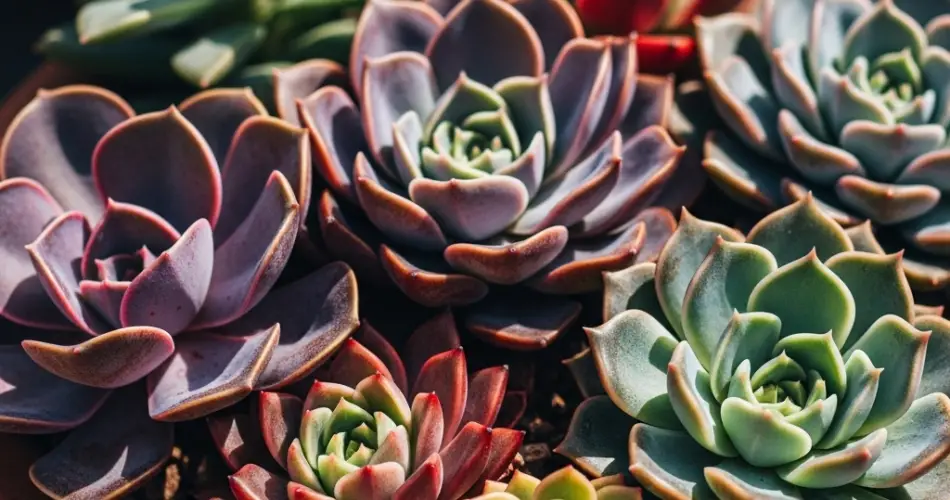
Succulents are loved for their unique appearance, drought tolerance, and minimal care requirements. Even if you have no prior gardening experience, harvesting succulents can be an easy and rewarding process. Whether you want to propagate new plants, redesign your arrangements, or simply shape your collection, learning how to properly harvest succulents is the first step to a thriving, personalized indoor or outdoor garden.
This guide will walk you through how to confidently harvest succulents using basic tools and simple techniques, even if you’ve never cared for a plant before.
Why Harvest Succulents?
Harvesting doesn’t mean destroying your plant. It’s a gentle process of taking cuttings—either leaves, stems, or offsets—for propagation or aesthetic pruning. Here’s why people harvest succulents:
-
Propagation: Grow new plants from leaves or stems.
-
Shaping: Maintain a neat appearance by trimming leggy growth.
-
Health management: Remove damaged or dying parts to encourage healthy new growth.
-
Replanting: Transfer mature plants or pups to new containers or arrangements.
The best part? Most succulents are incredibly forgiving and respond well to harvesting.
What You’ll Need
No fancy equipment is required. All you need are a few common tools:
-
Clean scissors or garden shears
-
A sharp knife (optional, for thick stems)
-
Tweezers (for smaller varieties or tight spots)
-
Shallow tray or dry surface (for curing cuttings)
-
Small pots and succulent/cactus soil (for planting harvested pieces)
Always clean your tools before cutting to prevent the spread of disease or fungus.
Step 1: Choose the Right Time
Harvesting can be done year-round, but the best time is during the growing season—usually spring and summer. During these periods, succulents are more likely to root quickly and recover from trimming with ease.
Avoid harvesting during dormancy (typically in winter) as the plants are less active and may take longer to heal or propagate.
Step 2: Identify What to Harvest
There are three main types of succulent harvesting:
-
Leaf Cuttings: Ideal for varieties like echeveria or jade plant.
-
Stem Cuttings: Perfect for succulents with long, leggy growth like sedum or crassula.
-
Offsets or “Pups”: Found at the base of mother plants—common in aloe or haworthia.
Look for firm, healthy leaves or stems. Avoid harvesting from damaged, squishy, or discolored parts of the plant.
Step 3: Harvesting Techniques
For Leaf Cuttings:
-
Gently twist and pull a healthy leaf from the main stem.
-
It should come off cleanly at the base without tearing.
-
Set the leaf on a dry surface for a few days to callous over.
For Stem Cuttings:
-
Use clean shears to snip a stem just below a node (the point where leaves grow).
-
Remove the lower leaves so you have a clean section of stem to plant later.
-
Allow the cutting to dry and form a callous.
For Offsets:
-
Use a small knife or gently tug the pup from the base of the main plant.
-
Ensure it has some roots attached if possible.
-
Let it air dry for a day or two before potting.
Step 4: Curing and Rooting
After harvesting, succulents need a brief curing period. This is essential to prevent rot when planted:
-
Lay the cuttings on a dry tray or paper towel in a well-ventilated space.
-
Avoid direct sunlight during this time.
-
Allow 2–7 days for the cut surfaces to dry and callous over.
Once cured, your cuttings are ready to root.
Step 5: Planting Your Cuttings
Fill small pots or trays with well-draining succulent or cactus soil. Gently place the leaf or stem cutting on top of the soil—do not bury them.
For offsets, plant them directly into the soil with the root section lightly covered.
Water sparingly:
-
Mist the surface every few days to encourage rooting.
-
Once roots form (in 2–4 weeks), you can reduce watering and treat the plant as a mature succulent.
Step 6: Aftercare
Keep the new cuttings in a warm spot with indirect light. Too much direct sun at this stage can scorch the tender new growth.
Once roots are established:
-
Gradually increase sunlight exposure.
-
Water only when the soil is dry.
-
Transplant into decorative pots or arrangements once they’re strong enough.
Common Mistakes to Avoid
-
Overwatering: The leading cause of succulent failure. Always let soil dry between waterings.
-
Cutting unhealthy parts: Damaged or rotting leaves won’t propagate successfully.
-
Skipping the drying step: Planting fresh cuttings without curing leads to rot.
Final Thoughts
Harvesting succulents is one of the easiest and most gratifying tasks in gardening—even for beginners. With minimal tools, a little space, and a few days of patience, you can multiply your succulent collection, shape your plants, and even gift new ones to friends.
The best part? Succulents reward your efforts with resilience, beauty, and an ever-growing indoor oasis. If you’ve never gardened before, harvesting succulents is the perfect place to start.


