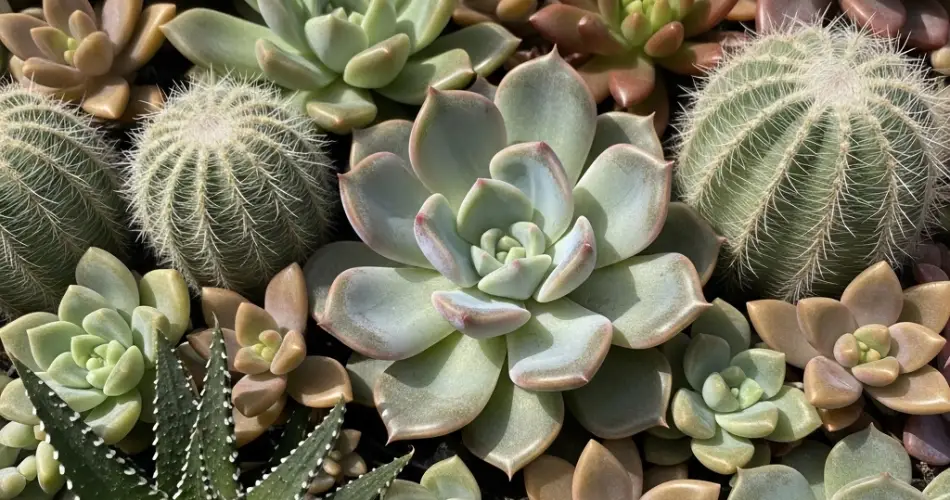
Succulents have taken the gardening world by storm—and for good reason. These hardy, sculptural plants are not only visually appealing, but also famously low-maintenance, making them ideal for beginners and busy individuals alike. While most people purchase succulents as mature plants, growing them from seed offers a deeply rewarding experience and allows you to cultivate a unique, personalized collection.
If you’ve ever thought starting succulents from seed was too slow or difficult, think again. With the right setup, care, and patience, you can successfully grow succulents from seed to stunning display in record time.
Why Grow Succulents from Seed?
Growing succulents from seed gives you access to a wider variety of species than you’ll typically find at garden centers. It’s also an economical way to build a large collection.
Benefits include:
-
Greater variety of rare or exotic species
-
Affordable cost per plant
-
Custom groupings for arrangements or displays
-
A deeper understanding of succulent life cycles
The process takes longer than starting with cuttings or mature plants, but the results are worth the wait—and surprisingly manageable with the right guidance.
Choosing the Right Seeds
When buying succulent seeds, opt for reputable sources to ensure viability. Because the seeds are tiny (often like dust), you might question whether they’re even real. Don’t worry—this is normal.
Popular types for beginners include:
-
Echeveria
-
Lithops (living stones)
-
Aloe
-
Crassula
-
Sedum
Check germination times for your chosen variety. Some succulents sprout in days; others take a few weeks.
Prepare Your Materials
Before planting, gather the following:
-
A shallow seed tray or container with drainage holes
-
Clear plastic lid or plastic wrap to create a greenhouse effect
-
Fine, well-draining succulent/cactus soil mix
-
Spray bottle with clean water
-
Grow lights or a sunny windowsill
Sterilize your tray and tools with a mild bleach solution (1:9 bleach to water) to prevent fungal contamination.
Sowing the Seeds
-
Fill the tray with pre-moistened succulent mix. The surface should be damp but not soggy.
-
Sprinkle the seeds on top of the soil—do not bury them. Succulent seeds need light to germinate.
-
Mist gently to settle the seeds into the soil.
-
Cover the tray with a transparent lid, plastic wrap, or place it in a mini greenhouse.
-
Place the tray in a bright, warm location, ideally 70–80°F (21–27°C). Use grow lights if natural light is insufficient.
Germination and Early Growth
Germination times vary widely depending on species. Some may sprout in a week; others may take a month or more.
During this phase:
-
Keep the humidity high but avoid waterlogging the soil.
-
Mist once or twice daily if needed to maintain moisture.
-
Ensure air circulation to prevent mold growth.
Once seedlings emerge, remove the cover gradually over several days to acclimate them to drier air.
Light Requirements
After germination, succulents need bright, indirect light to grow healthy and compact.
-
Place them on a sunny windowsill or under full-spectrum grow lights for 12–14 hours per day.
-
Avoid direct afternoon sun, which can scorch tiny seedlings.
-
If seedlings stretch (elongate), it’s a sign they’re not getting enough light.
Keep adjusting light levels to avoid weak, leggy growth.
Watering Seedlings
Watering is the trickiest part of succulent care at any stage, but especially with seedlings.
Tips:
-
Water when the soil is nearly dry—but not bone dry.
-
Use a spray bottle or watering tray to avoid disturbing the delicate roots.
-
Always allow excess water to drain to prevent rot.
Overwatering is the most common mistake. Succulents prefer to dry out between waterings.
Transplanting and Continued Care
Once your seedlings develop several sets of leaves and look sturdy, you can transplant them into individual pots.
Steps:
-
Use small containers with excellent drainage.
-
Gently loosen the soil and lift seedlings using a spoon or tweezers.
-
Replant in slightly moist soil and let them settle in for a few days before watering again.
From here, regular care is minimal:
-
Provide consistent light
-
Water sparingly
-
Fertilize every few months during the growing season with a diluted succulent fertilizer
Speeding Up the Process
While succulents naturally grow slowly, you can encourage faster growth by:
-
Providing consistent warmth (avoid cold drafts)
-
Using supplemental lighting
-
Keeping humidity moderate during early growth
-
Feeding lightly during active growing seasons
Just remember: fast growth doesn’t always mean healthy growth. Patience still pays off in the long run.
Final Thoughts
Growing succulents from seed may require more patience than buying full-grown plants, but the journey is incredibly rewarding. Watching your tiny seedlings grow into sculptural, thriving plants is a satisfying experience that builds both your confidence and your collection.
Whether you’re a curious beginner or someone looking to add rare varieties to your space, cultivating succulents from seed offers an affordable, creative way to transform your windowsill or indoor garden—no green thumb necessary.


