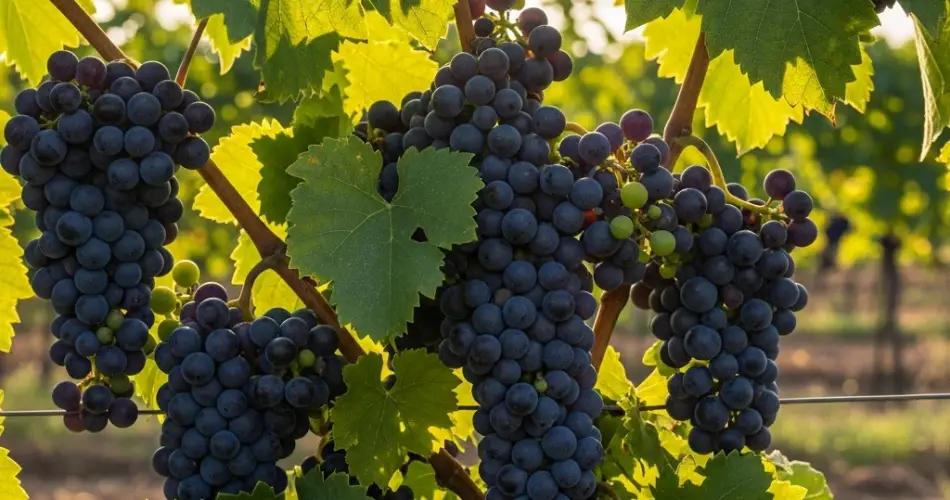
Grapevines are not only beautiful additions to gardens, trellises, and arbors—they can also reward you with abundant fruit if properly trained and maintained. While grapes can grow with little care, untrained vines often become tangled and unproductive. To ensure maximum fruit yield and plant health, it’s essential to understand the art of training grapevines.
Training grapevines is all about guiding their growth and structure to optimize light exposure, air circulation, and energy distribution. Whether you’re a backyard grower or tending a few vines in containers, these techniques will help you grow vigorous, fruit-laden plants year after year.
1. Why Training Grapevines Matters
Untrained grapevines quickly become overgrown, producing lots of leaves and stems but fewer fruiting canes. Proper training leads to:
-
Better fruit production
-
Easier pruning and harvesting
-
Reduced risk of disease (due to improved airflow)
-
Stronger, longer-lasting vines
By setting up a structure and following a training system, you help the plant channel its energy into fruiting rather than wild growth.
2. Choose the Right Support System
Before you begin training, decide how you’ll support the vine. Grapevines need strong structures to grow on, especially as they mature and bear heavy clusters of fruit.
Common support systems include:
-
Trellis: Ideal for home gardens, featuring two or more horizontal wires between sturdy posts.
-
Arbor or pergola: Doubles as a decorative shade structure and growing surface.
-
Fence or wall: Vines can be trained flat against them using vertical and horizontal wires.
Set up the support before planting so you can guide growth from the start.
3. Training in the First Year: Establishing the Trunk
Start by selecting a healthy, vigorous shoot from a young grapevine (preferably planted in late winter or early spring). This shoot will become the main trunk.
Steps:
-
Place a stake or guide next to the shoot.
-
Tie the shoot loosely to the support, training it vertically upward.
-
Remove all side shoots and suckers as the main stem grows.
-
Once the shoot reaches the desired height (about 4–5 feet), pinch the top to stop vertical growth.
This forms the permanent structure of the vine and prepares it for horizontal training in the next season.
4. Second Year: Develop the Fruit-Bearing Arms
In the second year, you’ll begin forming the horizontal arms (also called cordons) where fruiting canes will grow.
-
Allow two strong side shoots to grow from the top of the trunk—one to the left, one to the right.
-
Train these shoots along the top wire of your trellis or support system.
-
Secure the shoots gently with soft ties as they grow.
-
Remove any unwanted shoots from the trunk and base.
At the end of the second season, you’ll have a well-structured grapevine with a strong trunk and two cordons extending horizontally.
5. Annual Winter Pruning for Productivity
Pruning is essential for grapevine productivity. Grapes bear fruit only on one-year-old wood—canes that grew the previous season. Each winter, prune the vine while it’s dormant to leave a balanced number of fruiting canes and renewal spurs.
Pruning basics:
-
Remove up to 90% of the previous year’s growth.
-
Select 4–6 healthy canes (about pencil-thick) spaced along the cordons.
-
Cut each selected cane back to 6–10 buds—these will bear fruit.
-
Leave 1–2 shorter spurs with 2 buds at the base of each cane to produce next year’s canes.
This method, known as spur pruning, keeps the vine productive year after year.
6. Summer Maintenance
During the growing season, vines need regular attention to stay in shape and encourage fruit ripening.
Key summer tasks:
-
Tuck and tie: As new shoots grow, tuck them between wires or tie them to supports to keep the vine orderly.
-
Pinch back: Remove vigorous tips from non-fruiting shoots to redirect energy to the grapes.
-
Remove suckers: Trim away any growth from the base or trunk that drains energy.
-
Thin fruit clusters: In some cases, reducing the number of clusters helps improve size and flavor.
Regular care throughout the summer helps maintain airflow, sunlight, and energy balance in the plant.
7. Fertilization and Watering Tips
Grapevines don’t require heavy fertilization, especially if the soil is moderately fertile. However, during early growth and fruit set, you can apply:
-
A balanced organic fertilizer (such as 10-10-10) once in early spring.
-
Compost or aged manure in late winter as a top dressing.
Avoid overwatering—grapes prefer slightly dry conditions once established. Water deeply during dry spells, especially when fruit is forming.
Final Thoughts
Training grapevines for maximum fruit isn’t difficult—it just requires consistency, observation, and timely pruning. A well-trained vine rewards your effort with years of delicious grapes, attractive foliage, and manageable growth.
By starting with a solid structure, guiding the plant early on, and keeping up with seasonal maintenance, your grapevines will thrive and produce impressive harvests, even in small spaces. Whether you grow them on a trellis, arbor, or fence, trained grapevines can transform your garden into a productive, living vineyard.


