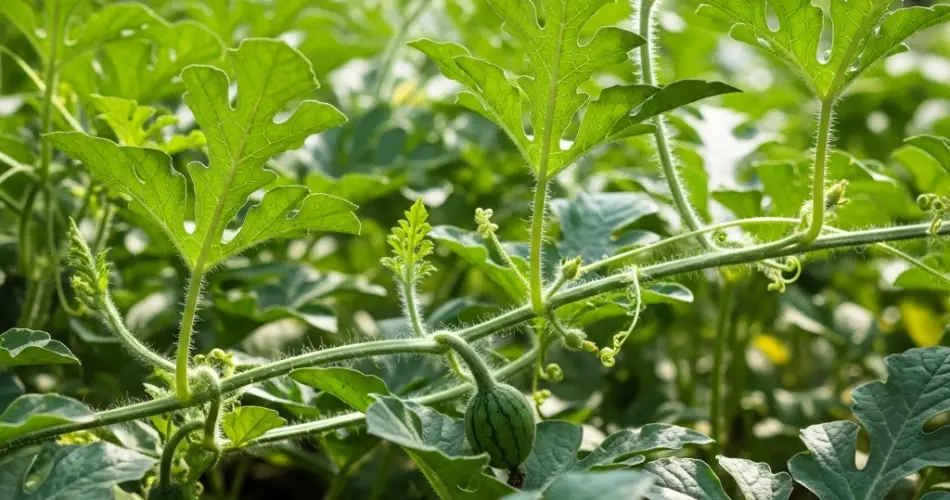
Watermelons are the perfect symbol of summer—sweet, refreshing, and hydrating. While they might seem like a crop reserved for farmers or large garden plots, watermelons can actually be grown at home with surprising ease, even in smaller spaces. With the right variety and a little attention, you can enjoy juicy homegrown watermelons right from your backyard or patio.
Whether you have a raised bed, a sunny lawn, or even a few large containers, here’s how to grow watermelons successfully at home.
Choose the Right Watermelon Variety
Not all watermelons are the same. Traditional varieties tend to spread over large areas, but compact and early-maturing types are ideal for home gardens. Look for the following types for easier home growing:
-
Bush varieties like ‘Sugar Baby Bush’ or ‘Bush Jubilee’ are compact and perfect for small gardens or containers.
-
Mini or personal-size watermelons such as ‘Sugar Baby’ or ‘Golden Midget’ ripen faster and take up less space.
-
Seedless varieties are also available, but they typically require a pollinator plant nearby and a bit more care.
Always check the variety’s days to maturity—early types (70–80 days) are best for shorter growing seasons or container growing.
Pick a Sunny Growing Spot
Watermelons love heat and need full sun to develop properly. Choose a spot that gets at least 6–8 hours of direct sunlight per day. The soil should be well-draining and rich in organic matter.
If you’re short on space, watermelons can also be grown vertically on a sturdy trellis, especially smaller-fruit varieties. Just be sure to support the growing melons with slings or netting as they develop to avoid breaking the vines.
Prepare the Soil
Watermelons thrive in fertile, slightly acidic to neutral soil (pH 6.0–6.8). Before planting, enrich your soil with plenty of compost or aged manure to improve texture and nutrient content.
If you’re growing in containers, use a large pot (at least 5 gallons per plant) filled with a well-draining mix of potting soil and compost. Raised beds are also a great option, as they warm up quickly and offer excellent drainage.
Planting Watermelon Seeds or Seedlings
You can either sow seeds directly into warm soil or start them indoors 2–3 weeks before your last frost date. Follow these steps for successful planting:
-
Direct sowing: Plant seeds about 1 inch deep in mounds or hills spaced 3–4 feet apart (or closer for bush types).
-
Transplanting: Use biodegradable pots to avoid root disturbance when moving seedlings outdoors. Transplant when the soil is warm and all risk of frost has passed.
Watermelons are sensitive to cold, so don’t rush planting. Use black plastic or fabric mulch to help warm the soil and suppress weeds.
Watering and Feeding
Watermelons need consistent moisture, especially during early growth and fruit development. However, overwatering can lead to root rot or split fruit.
-
Water deeply and regularly, aiming for 1–2 inches per week.
-
Reduce watering once fruits begin to mature to concentrate sugars for sweeter melons.
-
Avoid overhead watering to prevent fungal issues—water at the base of the plant.
Feed plants every 2–3 weeks with a balanced organic fertilizer during the early stages, then switch to a low-nitrogen, high-phosphorus fertilizer once flowers and fruits appear to support fruit development.
Pollination and Flowering
Watermelons produce both male and female flowers. Bees and other pollinators are essential for fruit development. You can help by planting flowers nearby to attract pollinators or even hand-pollinate by transferring pollen from male to female flowers using a soft brush.
Female flowers are easy to spot—they have a small round bulge (the future melon) at the base. Without pollination, they won’t develop fruit.
Supporting Growing Melons
If growing on the ground, place a board or straw under developing melons to reduce contact with moist soil and prevent rot. For trellis-grown melons, use mesh slings to cradle the fruit and support their weight.
Keep an eye out for pests such as aphids, cucumber beetles, or squash bugs. Use neem oil, insecticidal soap, or natural predators to manage infestations.
Harvesting Your Watermelons
Knowing when a watermelon is ready to pick can be tricky, but these signs help:
-
The tendril nearest the fruit turns brown and dries.
-
The underside of the melon turns from white to a creamy yellow.
-
The fruit sounds hollow when tapped.
Cut the watermelon from the vine with a clean, sharp knife. Leave a few inches of stem attached to prolong storage life.
Enjoying the Fruits of Your Labor
Once harvested, watermelons can be stored at room temperature for about a week or in the refrigerator for longer freshness. Nothing beats the taste of a sun-warmed melon grown by your own hands.
Final Thoughts
Growing watermelons at home is simpler than it seems. With the right variety, a sunny spot, and consistent care, you can enjoy sweet, juicy fruits even in limited spaces. Whether you’re growing in a raised bed or a large pot, the satisfaction of slicing open a homegrown melon is well worth the wait.


