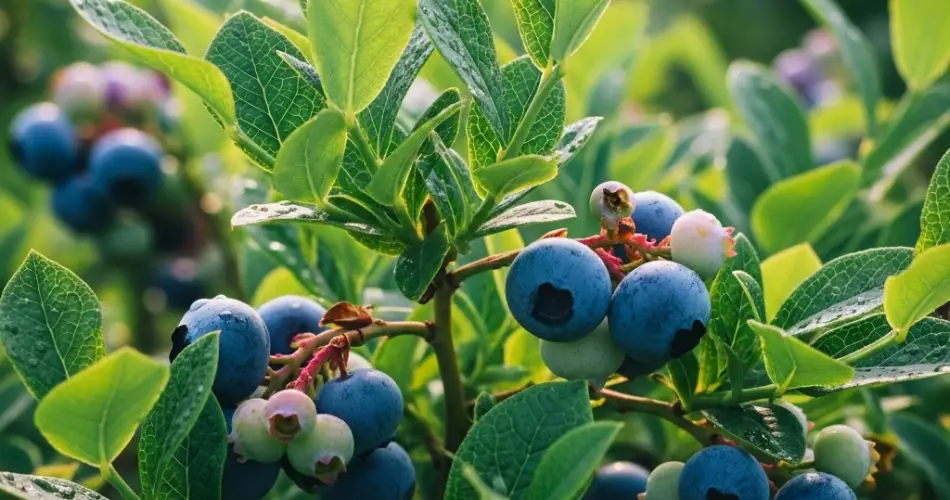
Blueberries are among the most rewarding fruits to grow at home—delicious, nutritious, and attractive in any garden setting. Even if you don’t have a large yard, you can still enjoy fresh, homegrown blueberries by growing them in containers. With the right pot, soil, and care, container-grown blueberries can thrive on patios, balconies, or sunny porches.
Whether you’re an experienced gardener or a beginner, growing blueberries in pots is a simple and satisfying way to enjoy this antioxidant-rich fruit right at home.
Why Grow Blueberries in Containers?
Growing blueberries in containers offers several advantages:
-
Ideal soil control: Blueberries prefer acidic soil (pH 4.5–5.5), which can be difficult to maintain in the ground, especially in alkaline regions. Pots make it easy to customize the growing medium.
-
Mobility: Containers can be moved to take advantage of changing sunlight or to protect plants from extreme weather.
-
Space-saving: Perfect for urban gardeners or those with limited space.
-
Pest and weed control: Container growing reduces exposure to ground pests and makes weeding easier.
Best Blueberry Varieties for Containers
Not all blueberry plants are well-suited for container growing. Look for compact, self-pollinating varieties that adapt well to pot life. Good options include:
-
‘Top Hat’: A dwarf variety ideal for small containers, growing only 1–2 feet tall.
-
‘Sunshine Blue’: Semi-dwarf and self-pollinating, with a long harvest period and beautiful foliage.
-
‘Jelly Bean’ and ‘Peach Sorbet’: Part of the Bushel and Berry series, bred specifically for container gardens.
-
‘Northblue’ or ‘Northcountry’: Hardy half-high varieties suitable for cooler climates and smaller pots.
While some varieties are self-fertile, planting two different cultivars can improve yields.
Choosing the Right Container
Select a large, sturdy container that provides ample room for root growth and drainage. A pot that holds at least 5 gallons (18–20 inches in diameter and depth) is recommended for a single mature plant.
Make sure the container has multiple drainage holes. Blueberries don’t tolerate soggy soil, so excess water must be able to escape freely.
Preparing the Ideal Soil Mix
Blueberries require acidic, well-draining soil. A recommended mix for containers includes:
-
50% peat moss or coconut coir
-
30% pine bark fines
-
20% perlite or coarse sand
You can also use pre-mixed potting soil labeled for acid-loving plants like azaleas or rhododendrons. Avoid using regular garden soil in containers—it compacts easily and retains too much water.
Check the soil pH regularly and maintain acidity with soil acidifiers like sulfur or organic fertilizers formulated for acid-loving plants.
Planting Your Blueberry Bush
-
Fill the container with your prepared soil mix, leaving a few inches of space at the top.
-
Gently remove the blueberry plant from its nursery pot, loosening the roots if they’re compacted.
-
Place the plant in the center of the pot at the same depth it was growing previously.
-
Backfill with soil and press lightly to remove air pockets.
-
Water thoroughly to settle the soil and hydrate the roots.
Add a layer of pine mulch or bark chips on top to retain moisture and help maintain soil acidity.
Light and Water Requirements
Blueberries need at least 6–8 hours of direct sunlight per day. Position your container in a sunny spot, such as a south-facing balcony, patio, or rooftop garden.
Keep the soil evenly moist but not waterlogged. Water more frequently during hot weather, but avoid overwatering, as blueberries are prone to root rot. The soil should feel damp like a wrung-out sponge.
Feeding and Pruning
Feed your blueberry plant with an organic, acid-loving fertilizer in early spring and again in late spring. Products labeled for camellias, azaleas, or rhododendrons also work well.
Avoid high-nitrogen fertilizers, which can encourage leafy growth at the expense of fruit production.
Prune lightly in winter when the plant is dormant. Remove weak or dead branches and thin out older wood to encourage new growth and fruiting.
Winter Protection
While some blueberry varieties are cold-hardy, container plants are more vulnerable to freezing temperatures. In colder climates:
-
Move pots to a sheltered location, like an unheated garage or shed.
-
Wrap containers with burlap or bubble wrap for insulation.
-
Water occasionally during winter if the soil dries out, but don’t overwater.
In warmer climates, containers can remain outdoors year-round.
Harvesting and Enjoying Your Blueberries
Blueberries typically produce fruit in the second or third year. In summer, watch as the berries turn from green to deep blue. Wait a few days after they ripen for the sweetest flavor, then gently pick them by hand.
With proper care, a single blueberry plant can provide handfuls of berries each season—and continue producing for years.
Final Thoughts
Growing blueberries in containers is an easy and accessible way to enjoy fresh fruit at home, even without garden space. With the right variety, acidic soil, and consistent care, your potted blueberry bush can thrive and produce delicious, antioxidant-rich berries for years to come.
Bring beauty and flavor to your space—start your container blueberry garden today and enjoy a fruitful harvest in your own backyard or balcony.


