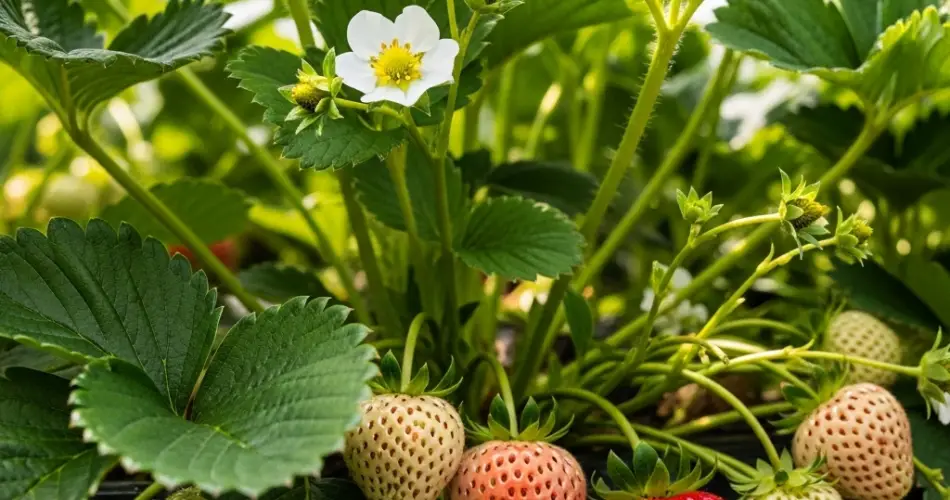
Sweet, juicy strawberries are a delight to grow and eat—but if you live in a home with limited gardening space, traditional strawberry beds may seem out of reach. Fortunately, growing strawberries vertically is a smart, space-saving method that works beautifully on balconies, patios, terraces, and even sunny windowsills.
Vertical strawberry gardening not only maximizes limited space but also improves air circulation, reduces pests, and makes harvesting easier. Here’s how to grow strawberries vertically at home, step by step.
1. Why Grow Strawberries Vertically?
Strawberries have shallow root systems and don’t require a lot of soil depth, making them ideal candidates for vertical setups. Benefits of growing strawberries vertically include:
-
Space efficiency: Perfect for small balconies, patios, and apartments.
-
Cleaner fruit: Berries stay off the ground, reducing the risk of rot and dirt.
-
Better airflow: Vertical growth helps prevent fungal infections and pest infestations.
-
Ease of access: Easier to maintain, water, and harvest without bending or kneeling.
-
Attractive display: Vertical planters can double as charming green decor.
2. Choose the Right Strawberry Variety
Some types of strawberries are better suited for vertical gardening. Look for:
-
Day-neutral or everbearing varieties: These produce fruit consistently throughout the growing season.
-
Alpine strawberries: Compact and decorative, they thrive in small spaces and containers.
-
Runner-producing types: Good for towers and cascading displays but require occasional pruning to prevent overcrowding.
Popular varieties for containers include ‘Albion,’ ‘Seascape,’ and ‘Temptation.’
3. Select a Vertical Growing System
There are many ways to grow strawberries vertically, depending on your space and budget:
-
Hanging baskets: Great for balconies and patios. Use coconut liners or fabric pockets to hold soil and plants.
-
Tower planters: Stacked pots, PVC pipe towers, or store-bought vertical towers are ideal for growing many plants in a small footprint.
-
Wall pockets or vertical fabric planters: Mounted on fences or walls, these provide excellent drainage and airflow.
-
Recycled materials: Use old pallets, shoe organizers, stacked crates, or plastic bottles for a DIY approach.
Ensure that whatever system you choose has adequate drainage and receives full sun for at least 6 hours a day.
4. Prepare the Soil
Strawberries thrive in well-draining, nutrient-rich soil. For container-based vertical systems, use a light, loose potting mix made of:
-
1 part compost
-
1 part peat moss or coco coir
-
1 part perlite or coarse sand
This mixture retains moisture while preventing soggy conditions that lead to root rot. You can also add a handful of slow-release organic fertilizer to boost nutrients at planting time.
5. Planting Your Strawberries
When planting in a vertical setup:
-
Space plants 8–10 inches apart to allow for airflow and growth.
-
Ensure that the crown (where the stem meets the roots) is just above the soil level—planting too deep can cause rot.
-
Water immediately after planting to settle the soil and help roots establish.
-
In tower or pipe systems, plant lower levels first, then move upward.
For hanging systems, choose cascading varieties that spill attractively over the edges.
6. Watering and Feeding
Strawberries in vertical planters dry out faster than those in garden beds, so consistent watering is key.
-
Water regularly: Check soil daily, especially in warm weather. Water when the top inch feels dry.
-
Use drip irrigation or self-watering containers if possible to maintain even moisture.
-
Feed monthly with a balanced organic liquid fertilizer or a diluted compost tea to support flowering and fruiting.
Avoid overwatering, which can cause root diseases and poor fruit quality.
7. Sunlight and Temperature Requirements
Strawberries love the sun. Position your vertical setup where the plants will receive:
-
6–8 hours of direct sunlight daily
-
Protection from strong winds, especially in high balconies or rooftops
-
In extremely hot climates, light afternoon shade can prevent wilting
If growing indoors or in shaded areas, supplement with a full-spectrum grow light for optimal results.
8. Maintenance and Harvesting
Keep your plants healthy and productive with a few simple maintenance tips:
-
Remove runners unless you want to propagate new plants. Runners take energy away from fruit production.
-
Pinch off early flowers in the first few weeks after planting to encourage root development.
-
Harvest ripe berries promptly to promote continuous production and avoid attracting pests.
-
Check for pests like aphids and slugs. Use neem oil or insecticidal soap as needed.
After the growing season, remove dead leaves and refresh the soil with compost or organic matter before the next cycle.
Final Thoughts
Vertical strawberry gardening is an innovative solution for growers with limited space. With the right setup, soil, and care, you can enjoy a steady supply of homegrown strawberries—even from a balcony or windowsill. It’s a delightful project that adds flavor, beauty, and freshness to your living space.
So go ahead—get creative, grow upward, and let your strawberries reach for the sky!


